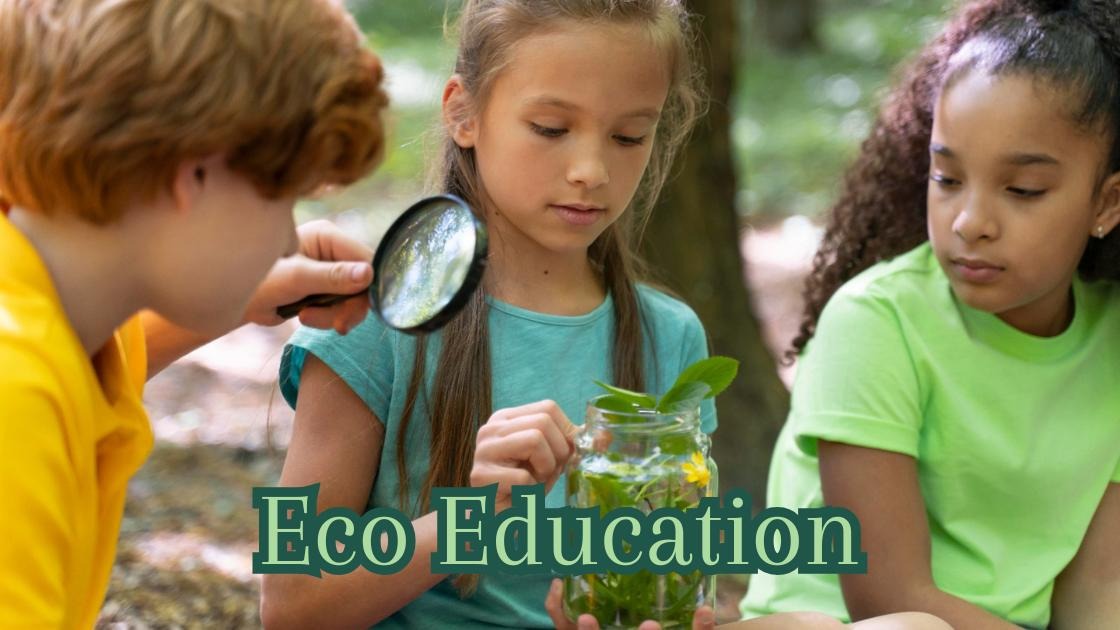
Eco education plays a vital role in shaping how individuals think about the environment and their impact on the planet. By integrating environmental awareness, sustainable living practices, and climate change education, this approach encourages people to adopt greener habits.
In this article, we will explore seven essential lessons that Ecological education offers, helping transform mindsets toward more responsible and eco-friendly choices. Whether you’re a student, educator, or simply passionate about protecting nature, understanding these core principles can empower you to contribute meaningfully to a healthier, more sustainable world. From reducing waste to conserving energy, these insights aim to inspire positive change and promote long-lasting environmental stewardship.
How Eco Education Transforms Mindsets: 7 Essential Lessons for Green Living
Understanding Eco Education: Definition and Background
It refers to teaching and learning practices focused on promoting awareness and understanding of environmental issues. It aims to foster a sense of responsibility toward nature and encourage sustainable behaviors. The roots of eco education can be traced back to the environmental movements of the 1960s and 1970s when global concerns about pollution, deforestation, and climate change gained attention. Over time, eco education evolved from simple awareness campaigns to a more structured curriculum that integrates climate change education, environmental awareness, and sustainable living practices into schools, communities, and workplaces.
Why Eco Education is Important Today
In the face of increasing environmental challenges, eco education is more relevant than ever. It equips individuals with the knowledge and skills needed to tackle issues like global warming, biodiversity loss, and resource depletion. Through Green education, people learn to:
•Recognize the impact of their daily actions on the environment
•Adopt green living habits that reduce carbon footprints
•Understand the science behind climate change and ecological balance
•Promote community efforts for conservation and sustainability
The importance of eco education extends beyond individual behavior; it cultivates a generation ready to advocate for policies and innovations that protect the planet.
The Benefits of Eco Education
It offers numerous benefits that extend to individuals, communities, and the environment.
key advantages include:
•Increased environmental literacy, helping people make informed decisions
•Enhanced critical thinking skills about ecological challenges
•Greater empathy and connection with nature
•Encouragement of sustainable consumption and waste reduction
•Promotion of energy conservation techniques and renewable resources
•Support for biodiversity through awareness of endangered species and habitats
•Fostering social responsibility and community engagement
These benefits contribute to a stronger, more informed society capable of addressing environmental crises with practical solutions.
Seven Essential Lessons for Green Living
Here are seven fundamental lessons that it imparts to help transform mindsets and encourage sustainable lifestyles:
1. The Value of Conservation
Understanding the importance of conserving natural resources like water, forests, and wildlife is crucial. Conservation efforts help maintain ecosystem balance and protect habitats.
2. Waste Reduction and Recycling
Learning how to reduce waste through mindful consumption and recycling minimizes landfill overflow and pollution.
3. Energy Efficiency and Renewable Energy
Promoting the use of energy-efficient appliances and renewable sources like solar and wind reduces reliance on fossil fuels and lowers greenhouse gas emissions.
4. Sustainable Food Choices
It encourages choosing locally grown, organic foods and reducing food waste, which decreases environmental impact.
5. Water Management
Teaching water-saving techniques and protecting water bodies ensures availability for future generations and preserves aquatic ecosystems.
6. Climate Change Awareness
Understanding the causes and consequences of climate change helps individuals advocate for actions that mitigate its effects.
7. Community Engagement
Active participation in community clean-ups, tree planting, and environmental campaigns fosters collective responsibility and amplifies impact.
Challenges in Implementing Eco Education
Despite its importance, It faces several challenges that can hinder its effectiveness:
•Limited resources and funding in schools and communities
•Lack of trained educators specializing in environmental topics
•Cultural and economic barriers that affect acceptance and practice
•Information overload leading to confusion or apathy among learners
•Resistance to behavioral change due to convenience or habits
Addressing these challenges requires collaborative efforts between governments, educational institutions, NGOs, and the private sector.

Real-Life Examples of Eco Education Impact
Several initiatives worldwide highlight the positive effects of eco education:
•The Eco-Schools program engages millions of students globally in sustainability projects, improving environmental performance in schools.
•Community-led workshops in urban areas teach waste segregation and composting, reducing local landfill waste.
•Renewable energy education campaigns encourage households to adopt solar panels, cutting down fossil fuel use.
•Youth climate activism movements demonstrate how educated individuals can influence policy and raise awareness on a large scale.
These examples demonstrate how eco education can lead to meaningful environmental action and mindset transformation.
Conclusion
In summary, It plays a crucial role in shaping responsible behaviors and promoting environmental awareness. By learning essential lessons on conservation, energy efficiency, and community involvement, individuals become empowered to adopt sustainable living practices. This mindset shift is vital for addressing pressing environmental challenges and ensuring a healthier planet for future generations. Embracing Green education not only benefits individuals but also strengthens communities and supports global efforts toward sustainability. Investing in this education is a key step toward a greener, more conscious world.