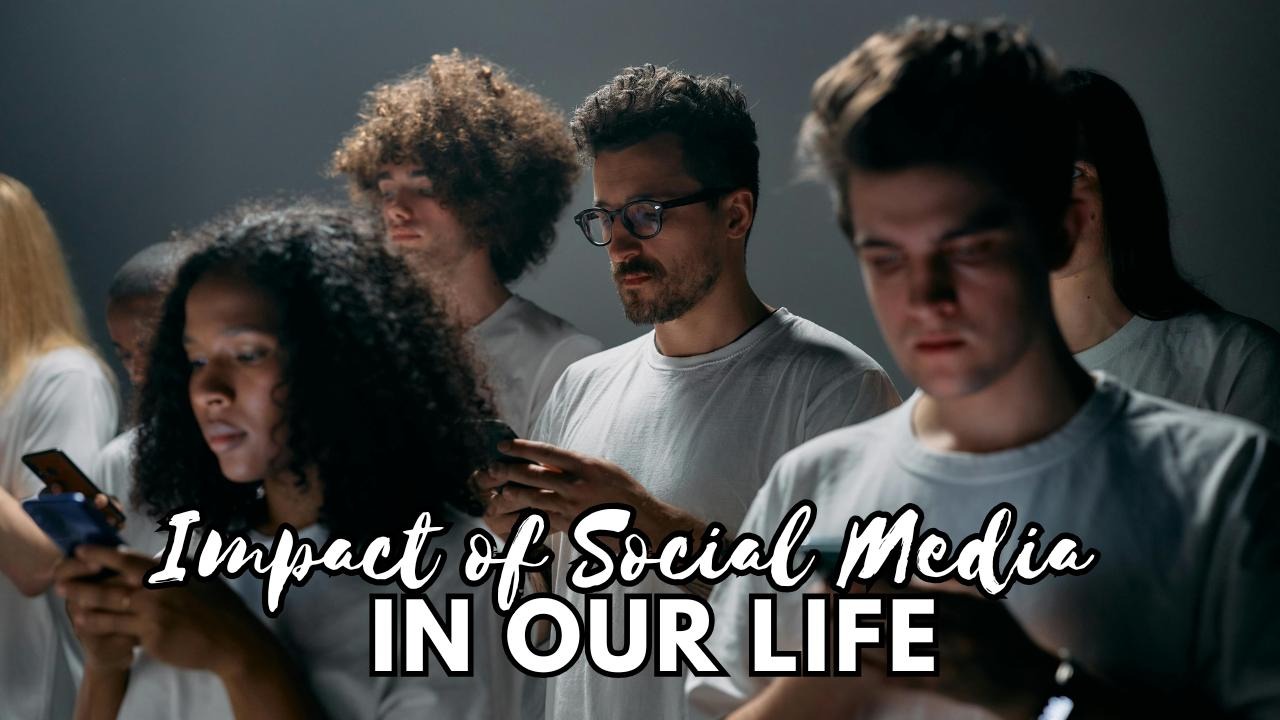
The impact of social media in our life has become undeniable, fundamentally altering how we communicate, share experiences, and build relationships in today’s interconnected world. From Facebook to Instagram, TikTok to Twitter, social media platforms have woven themselves into the fabric of our daily routines, influencing everything from our mental health to our professional networks.
This transformation raises critical questions: Are we becoming more connected or more isolated? How are these digital platforms reshaping the quality of our human interactions? In this comprehensive exploration, we’ll examine both the positive and negative dimensions of social networking, uncovering how online communication is redefining friendship, family bonds, and community engagement in ways previous generations never imagined.
Understanding Social Media Platforms and Their Evolution
Social media represents digital tools that enable users to create, share content, and participate in online communication with others across the globe. What began with simple platforms like MySpace and Friendster has evolved into sophisticated ecosystems including Facebook, Instagram, LinkedIn, and TikTok.
The impact of social media in our life started gaining momentum in the early 2000s, but it truly exploded with the smartphone revolution. Today, over 4.9 billion people worldwide actively use these digital platforms, spending an average of 2.5 hours daily scrolling, posting, and connecting.
The Transformation of Human Interactions
The digital age has fundamentally changed how we perceive distance and time in relationships. Geographic boundaries that once limited friendships now seem irrelevant. A college friend in Tokyo, a cousin in London, and a former colleague in New York are all just a click away.
The Positive Side: How Social Networking Enhances Connections
1. Maintaining Long-Distance Relationships
The impact of social media in our life is perhaps most evident in how we maintain relationships across distances. Video calls, instant messaging, and shared photo albums keep families connected despite being continents apart.
Key benefits include:
- Instant communication regardless of time zones
- Sharing life moments in real-time through stories and posts
- Organizing virtual gatherings and celebrations
- Reconnecting with old friends and classmates
2. Building Virtual Communities Around Shared Interests
Digital platforms have enabled people to find their tribes. Whether you’re passionate about sustainable living, rare book collecting, or fitness, there’s a community waiting online.
These connections often lead to:
- Support networks for mental and physical health challenges
- Professional networking opportunities
- Collaborative projects and movements
- Educational resources and skill-sharing
3. Amplifying Voices and Social Causes
The impact of social media in our life extends to activism and social change. Movements like #MeToo and Black Lives Matter gained global traction through social connectivity, proving that online presence can translate into real-world impact.
The Challenges: When Digital Connection Creates Distance
1. The Mental Health Paradox
While social media promises connection, research reveals a concerning trend. Studies show that excessive use correlates with increased anxiety, depression, and loneliness. The constant comparison with others’ curated lives creates unrealistic expectations.
Warning signs include:
- Fear of missing out (FOMO)
- Sleep disruption from late-night scrolling
- Decreased face-to-face interaction quality
- Validation-seeking behavior through likes and comments
2. Superficial Relationships vs. Deep Connections
The impact of social media in our life has created a paradox where we have hundreds of online friends but fewer meaningful relationships. Communication technology enables constant contact, but often lacks emotional depth.
A person might have 1,000 followers but struggle to name five people they could call during a crisis. This shift from quality to quantity in relationships represents one of the most significant challenges of our time.
3. Privacy Concerns and Digital Footprints
Every post, like, and share contributes to our digital footprint. Personal information becomes commodified, and privacy boundaries blur as social media platforms collect vast amounts of user data.
Real-World Examples of Transformation
The impact of social media in our life manifests differently across generations:
Teenagers use TikTok and Snapchat as primary communication channels, often preferring texting over calling.
Professionals leverage LinkedIn for career advancement, with 87% of recruiters using it for candidate searches.
Senior citizens increasingly join Facebook to stay connected with grandchildren, reducing feelings of isolation.
Activists organize global movements within hours, coordinating protests and raising awareness at unprecedented speeds.

Finding Balance in the Digital Age
The key isn’t abandoning social media but using it intentionally. Setting boundaries, curating feeds mindfully, and prioritizing face-to-face interactions alongside online communication creates a healthier relationship with technology.
The impact of social media in our life continues evolving, and our challenge is harnessing its connective power while protecting our mental health and preserving authentic human interactions in an increasingly digital world.
Conclusion
The impact of social media in our life is both profound and complex, offering unprecedented opportunities for global connectivity while presenting real challenges to our mental health and relationship quality. These digital platforms have irrevocably changed how we communicate, build communities, and maintain relationships. The impact of social media in our life will only deepen as technology advances, making it essential to approach online communication with awareness and intention. By embracing the benefits while acknowledging the pitfalls, we can harness social networking to enhance rather than replace authentic human connections, creating a balanced digital future.