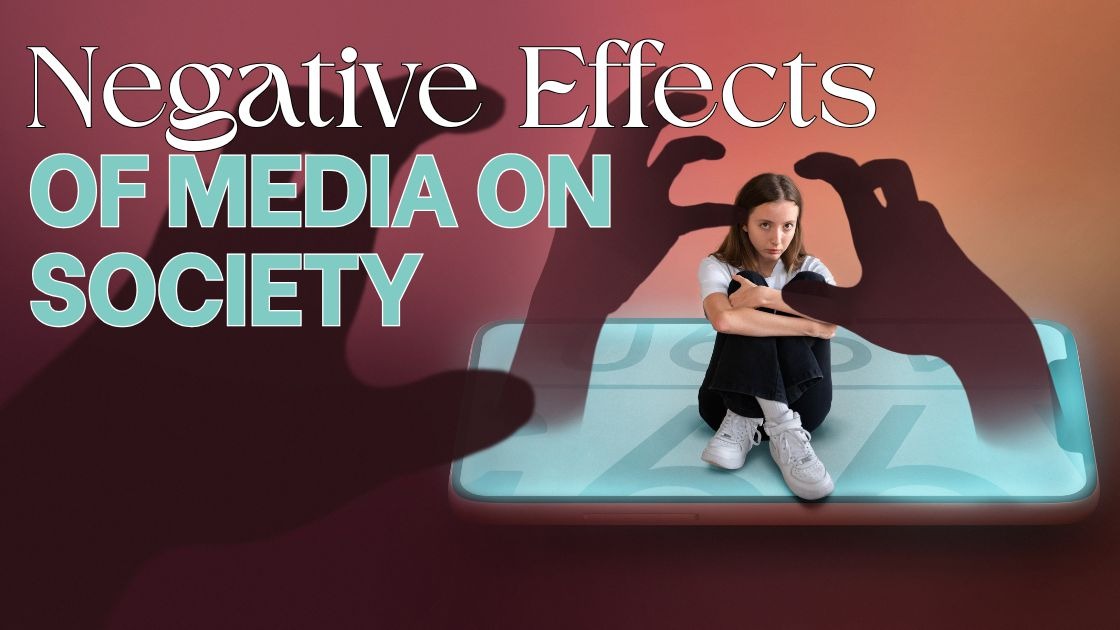
The negative effects of media on society have become increasingly concerning in our hyperconnected world. From endless scrolling through social media platforms to consuming 24-hour news cycles, modern media consumption is reshaping how we think, feel, and interact with one another.
This article explores the profound impact of media on mental health, examining how constant exposure to curated content contributes to anxiety, depression, and low self-esteem. We’ll also delve into the dangerous spread of misinformation and fake news, which undermines trust and fuels confusion. Additionally, we’ll analyze how the negative effects of media on society extend to creating echo chambers that deepen political and social divisions. Understanding these challenges is the first step toward developing healthier media habits and building a more informed, connected society.
How Media Consumption Affects Mental Health
One of the most alarming negative effects of media on society is its impact on mental health. Studies show that excessive screen time and constant exposure to social media platforms contribute to rising rates of anxiety, depression, and feelings of inadequacy.
The Comparison Trap
Social media creates an environment where people constantly compare their lives to others’ highlight reels. This leads to:
- Low self-esteem and self-worth
- Body image issues, especially among teenagers
- Fear of missing out (FOMO)
- Sleep disruption from late-night scrolling
- Increased feelings of loneliness despite being “connected”
Young adults spending more than three hours daily on social media are twice as likely to experience anxiety and depression. The curated perfection displayed online rarely reflects reality, yet viewers internalize these unrealistic standards.
Addiction and Dopamine Dependency
Media platforms are designed to be addictive. Every like, comment, and notification triggers dopamine release, creating a reward cycle that keeps users hooked. This media addiction manifests through compulsive checking behaviors and withdrawal symptoms when access is restricted.
The Spread of Misinformation and Fake News
Another critical negative effect of media on society involves the rapid spread of misinformation and fake news. The digital age has made it easier than ever to create and distribute false information at unprecedented speeds.
Why Misinformation Spreads So Quickly
False stories spread six times faster than truthful ones on social media. This happens because:
- Sensational headlines grab attention more effectively
- People share content without verifying sources
- Algorithms prioritize engagement over accuracy
- Emotional content receives more clicks and shares
Fake news undermines public trust in legitimate journalism and institutions. During health crises or elections, misinformation can have life-threatening consequences and destabilize democratic processes.
The Echo Chamber Effect
Media platforms use algorithms that show users content matching their existing beliefs. This creates echo chambers where people only encounter information reinforcing their viewpoints. The result is a polarized society where productive dialogue becomes nearly impossible.
Media’s Role in Deepening Social Division
The negative effects of media on society extend to creating unprecedented social and political division. What was meant to connect us has paradoxically driven us apart.
1. Political Polarization
Media consumption patterns reveal disturbing trends:
- People increasingly consume news from sources confirming their biases
- Opposing viewpoints are dismissed as “fake news”
- Online anonymity encourages hostile interactions
- Civil discourse gives way to personal attacks
This media influence creates an “us versus them” mentality that spills into real-world relationships, dividing families, friendships, and communities.
2. Cyberbullying and Online Harassment
The anonymity provided by digital platforms enables cyberbullying and harassment. Victims experience:
- Persistent online attacks affecting mental wellbeing
- Public shaming and reputation damage
- Increased suicide risk among young people
- Long-lasting psychological trauma
The negative effects of media on society are particularly severe for vulnerable populations, including teenagers and marginalized communities who face disproportionate online abuse.
The Impact on Real-World Connections
While media platforms promise connectivity, they often replace meaningful interactions with superficial engagement. Face-to-face conversations decline as people prefer texting or commenting. Family dinners are interrupted by phone notifications, and genuine human connection suffers.
Decreased Attention Spans
Constant media consumption rewires our brains, reducing attention spans to mere seconds. This affects:
- Academic and professional performance
- Ability to engage with complex ideas
- Quality of personal relationships
- Critical thinking skills
The negative effects of media on society manifest in our inability to focus, reflect deeply, or engage in sustained concentration necessary for personal growth and meaningful work.
Physical Health Consequences
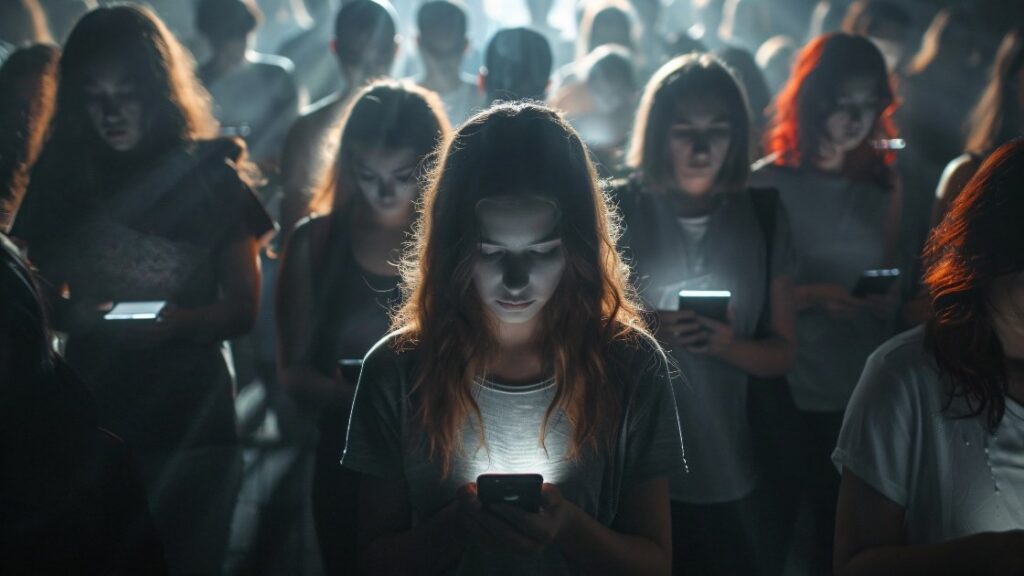
Beyond mental health, excessive screen time creates physical problems including eye strain, poor posture, obesity from sedentary behavior, and disrupted sleep patterns. The blue light from screens interferes with melatonin production, leading to chronic sleep deprivation that compounds other health issues.
Conclusion
The negative effects of media on society are undeniable, impacting our mental health, spreading misinformation, and deepening social divisions. From anxiety and depression linked to excessive screen time to the dangerous proliferation of fake news and political polarization, media’s influence touches every aspect of modern life. However, awareness is the first step toward change. By recognizing these negative effects of media on society, we can develop healthier media consumption habits, verify information before sharing, and prioritize real-world connections. The power to mitigate media’s harmful impact lies in our hands through mindful, intentional use.