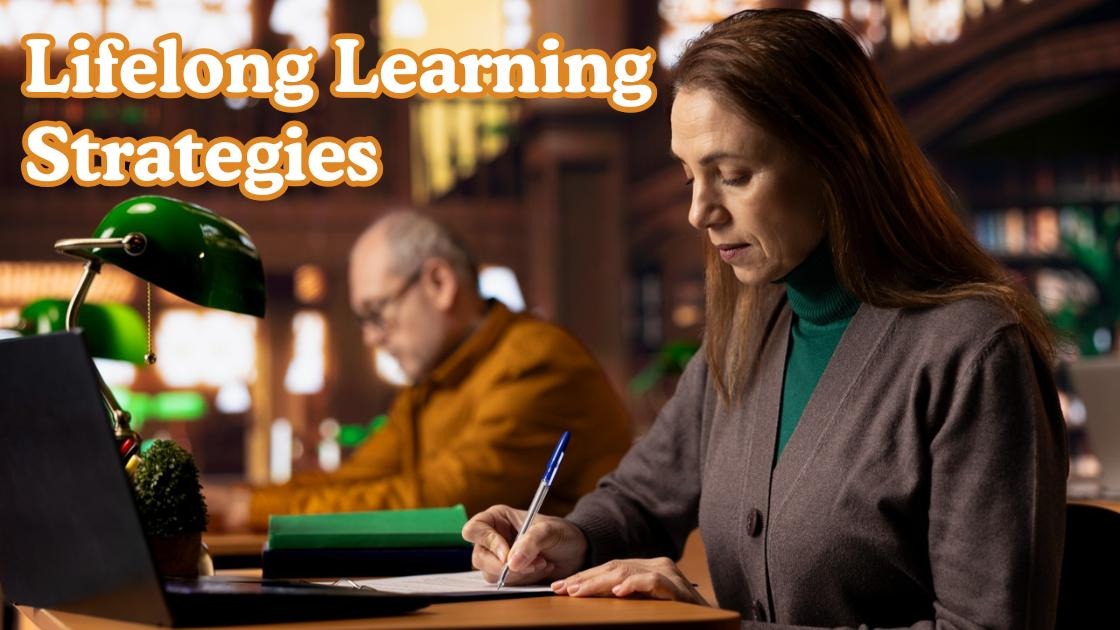
Lifelong learning strategies are the foundation of continuous personal development in today’s rapidly changing world. Whether you want to advance your career, explore new interests, or simply keep your mind sharp, adopting the right approach to learning can transform your life.
This comprehensive guide explores proven methods for self-improvement through education that anyone can apply, regardless of age or background. You’ll discover practical techniques for developing a growth mindset, building sustainable learning habits, and staying motivated on your educational journey.
From setting meaningful goals to leveraging modern resources, we’ll walk you through everything you need to embrace continuous skill development as a way of life. By the end of this article, you’ll have a clear roadmap for unlocking your full potential and achieving lasting personal growth through intentional learning.
What Are Lifelong Learning Strategies?
Lifelong learning strategies refer to the intentional methods and approaches people use to continue acquiring knowledge and skills throughout their lives. Unlike traditional education that ends with a degree, this concept embraces learning as an ongoing journey rather than a destination.
The idea of continuous education has deep roots in human history. Ancient philosophers like Socrates and Confucius emphasized the importance of seeking wisdom at every stage of life. However, the modern concept gained momentum in the 1970s when UNESCO began promoting adult education as essential for societal progress.
Today, these approaches have become more critical than ever. Rapid technological changes, evolving job markets, and increased access to information make continuous personal development not just beneficial but necessary for thriving in the modern world.
Why Embracing Continuous Learning Matters
Understanding the significance of ongoing education helps you stay committed to your growth journey. Here are the key reasons why self-directed learning deserves your attention:
Career Advancement Opportunities
Professionals who invest in skill building consistently outperform their peers. Employers value individuals who demonstrate initiative and adaptability. By regularly updating your knowledge, you position yourself for promotions, new opportunities, and career pivots when needed.
Enhanced Cognitive Function
Research shows that engaging in mental development activities keeps your brain healthy and sharp. Learning new things creates neural pathways that protect against cognitive decline. This benefit becomes increasingly valuable as you age.
Greater Personal Fulfillment
Beyond practical advantages, pursuing knowledge brings joy and satisfaction. Exploring new subjects, mastering challenging skills, and achieving educational goals contribute to a deeper sense of purpose and self-improvement.
Proven Methods for Effective Knowledge Acquisition
Implementing the right techniques makes your learning journey more productive and enjoyable. Consider these educational growth approaches:
1. Set Clear and Measurable Goals
Successful learners define what they want to achieve. Instead of vague intentions, create specific objectives such as:
- Complete an online certification within three months
- Read two books on your chosen topic each month
- Practice a new skill for 30 minutes daily
- Attend one workshop or seminar quarterly
2. Develop a Growth Mindset
Stanford psychologist Carol Dweck’s research highlights the power of believing your abilities can improve. People with a growth mindset view challenges as opportunities rather than obstacles. They embrace mistakes as learning experiences and persist through difficulties.
3. Use Multiple Learning Resources
Modern learners have unprecedented access to knowledge resources. Diversify your approach by combining:
- Online courses and webinars
- Podcasts and audiobooks
- Mentorship and peer learning groups
- Hands-on projects and experiments
- Traditional books and academic materials
4. Practice Active Learning Techniques
Passive consumption rarely leads to lasting knowledge. Instead, engage with material through active education methods like summarizing concepts in your own words, teaching others what you’ve learned, and applying new information to real situations immediately.
Common Obstacles and How to Overcome Them
Even motivated individuals face barriers on their personal growth journey. Recognizing these challenges helps you prepare solutions:
Time Constraints
Busy schedules often derail learning plans. Combat this by scheduling dedicated study time, using micro-learning during commutes, and eliminating time-wasting activities.
Lack of Motivation
Initial enthusiasm can fade quickly. Maintain momentum by connecting learning to personal values, celebrating small wins, and joining communities of like-minded learners who provide accountability.
Information Overload
The abundance of available resources can feel overwhelming. Focus on quality over quantity by selecting reputable sources, following structured curricula, and avoiding the temptation to jump between topics.

Real World Examples of Successful Learners
Many accomplished individuals credit their success to lifelong learning strategies. Warren Buffett reportedly spends five hours daily reading and studying. Bill Gates takes annual reading vacations to explore new subjects. These examples demonstrate that even highly successful people prioritize continuous education.
Ordinary individuals also transform their lives through dedicated learning. Career changers who master new skills, retirees who pursue degrees, and professionals who constantly upgrade their expertise all illustrate the power of committed intellectual growth.
Conclusion
Adopting lifelong learning strategies empowers you to thrive in an ever-changing world. Throughout this guide, we explored practical methods for setting goals, developing a growth mindset, and overcoming common obstacles that hold learners back.
The benefits of continuous personal development extend far beyond career success. Staying curious and committed to learning enhances cognitive health, boosts confidence, and brings lasting fulfillment to your life.
Remember that every expert was once a beginner. Start small, stay consistent, and celebrate your progress along the way. Your dedication to self-improvement through education today will shape the person you become tomorrow. The best time to begin is now.