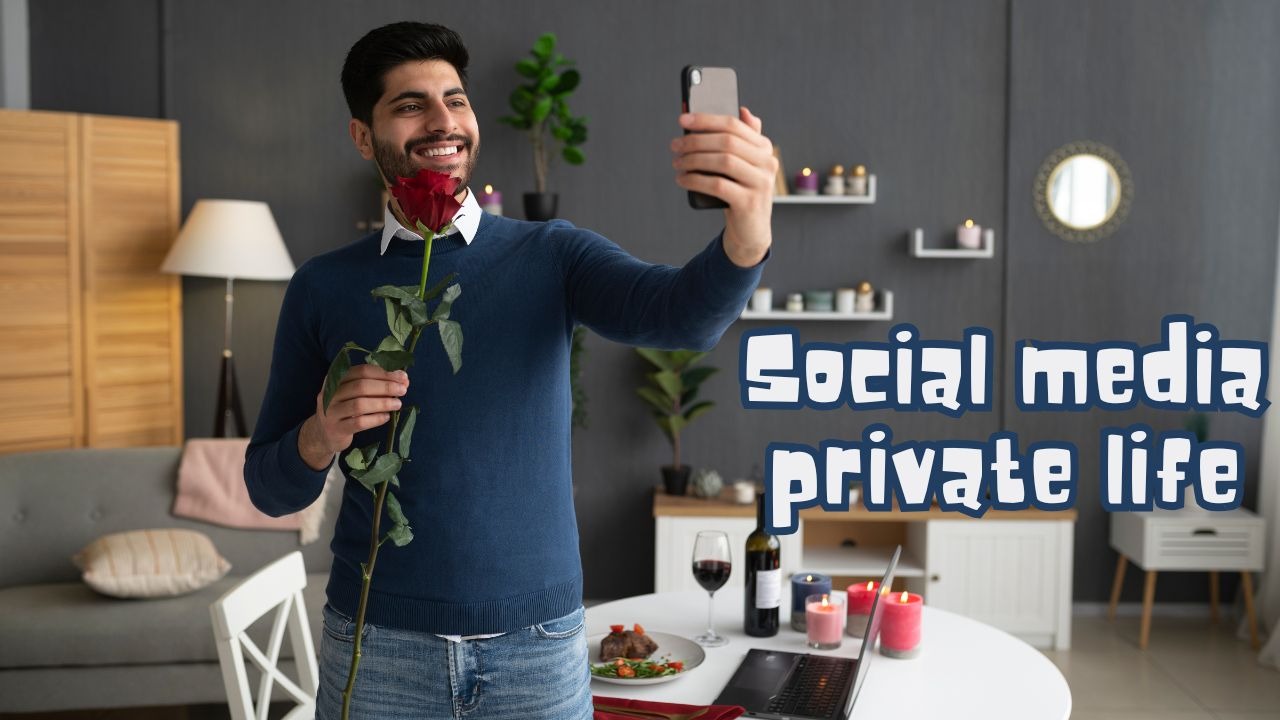
Social media private life balance has become one of the most critical challenges in today’s hyper-connected world. With billions of people sharing personal moments online daily, the line between public and private has never been more blurred. But have you ever stopped to consider how this constant exposure affects your mental wellness?
This article explores the powerful connection between setting healthy digital boundaries and protecting your psychological wellbeing. We’ll examine why oversharing can lead to anxiety, stress, and emotional exhaustion, and provide practical strategies to reclaim control over your online privacy. Whether you’re a casual scroller or a social media enthusiast, understanding how to separate your digital presence from your personal space is essential.
By the end, you’ll have actionable tips to create healthier boundaries that safeguard both your peace of mind and authentic self.
Understanding the Connection Between Digital Sharing and Personal Boundaries
The concept of social media private life refers to how individuals manage personal information across digital platforms. It involves making conscious decisions about what to share publicly and what to keep confidential.
In simpler terms, it’s about drawing a clear line between your online presence and your authentic everyday experiences. This distinction has become increasingly important as platforms encourage users to share more content than ever before.
A Brief History of Online Privacy Concerns
When social networks first emerged in the early 2000s, users shared basic information without much thought. However, as platforms evolved, so did the pressure to reveal more personal details.
Today, the average person spends over two hours daily on these platforms. This constant engagement has blurred traditional boundaries and created new challenges for maintaining personal privacy online.
Why Protecting Your Social Media Private Life Matters
Maintaining healthy boundaries around your social media private life directly impacts your emotional wellbeing. Research consistently shows that oversharing leads to increased anxiety, comparison syndrome, and feelings of inadequacy.
When you expose every aspect of your life online, you essentially invite judgment from strangers. This vulnerability can trigger stress responses and negatively affect your self-esteem over time.
The Psychological Impact of Oversharing
Constantly curating a perfect online image creates mental exhaustion. Your brain works overtime trying to present an idealized version of yourself while managing reactions from others.
This phenomenon, often called digital fatigue, affects millions worldwide. The pressure to maintain appearances can lead to burnout and disconnection from your true identity.
Key Benefits of Setting Digital Boundaries
Establishing clear limits around your social media private life offers numerous advantages for your mental health protection. Here are the most significant benefits:
- Reduced anxiety and stress levels from decreased public scrutiny
- Improved self-esteem by focusing less on external validation
- Better quality relationships built on genuine connections
- Enhanced productivity without constant notification distractions
- Greater sense of control over your personal narrative
Strengthening Real World Relationships
When you protect your social media private life, you create space for deeper offline connections. Instead of broadcasting moments to hundreds of acquaintances, you can share meaningful experiences with people who truly matter.
This shift promotes authentic communication and strengthens bonds with family and close friends. Quality interactions replace superficial likes and comments.
Common Challenges in Maintaining Online Privacy
Despite understanding the importance, many people struggle to establish boundaries around their social media private life. Several factors contribute to this difficulty.
The fear of missing out, commonly known as FOMO, drives continuous engagement. Users worry that stepping back means losing touch with important updates or social events.
Overcoming Social Pressure to Share
Society often expects constant connectivity and transparency. Colleagues, friends, and even employers may question your absence from platforms.
Additionally, algorithms are specifically designed to keep you engaged longer. These systems exploit psychological triggers to encourage more sharing and scrolling.
Practical Strategies for Better Balance
Creating sustainable boundaries requires intentional effort and consistent practice. Consider implementing these approaches for protecting your social media private life:
- Conduct regular audits of your privacy settings across all platforms
- Establish specific times for checking notifications rather than constant monitoring
- Create separate accounts for professional and personal content
- Practice the 24 hour rule before posting emotionally charged content
- Unfollow accounts that trigger negative emotions or comparisons
Building Healthier Digital Habits
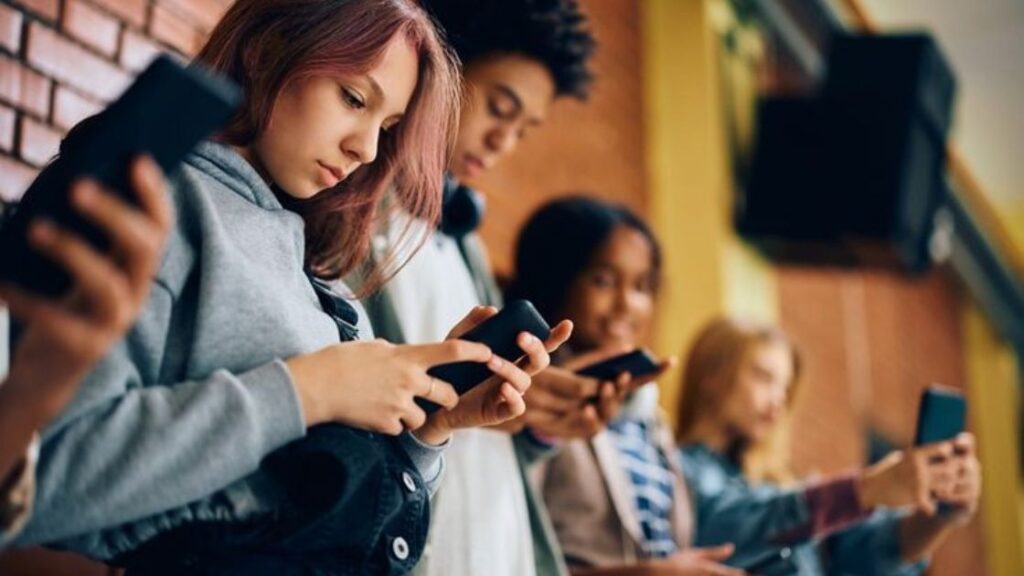
Start small by designating phone free zones in your home. The bedroom and dining table are excellent places to begin establishing screen time boundaries.
Consider weekly digital detox periods where you completely disconnect. Even short breaks can significantly improve your psychological wellbeing and help reset your relationship with technology.
Real Life Examples of Successful Boundary Setting
Many public figures have spoken about protecting their social media private life for better mental health. Celebrities like Selena Gomez and Ed Sheeran have taken extended breaks from platforms.
Their experiences demonstrate that stepping back doesn’t mean losing relevance. Instead, it often leads to improved creativity, better relationships, and enhanced overall happiness.
Regular individuals also report positive changes after implementing boundaries. From improved sleep quality to reduced anxiety symptoms, the benefits of mindful social media use are well documented across various studies and personal testimonies.
Conclusion
Protecting your social media private life is no longer optional but essential for maintaining good mental health. Throughout this article, we explored how setting clear boundaries reduces anxiety, strengthens real relationships, and promotes authentic living.
The challenges of constant connectivity are real, but so are the solutions. By implementing practical strategies like regular privacy audits, designated screen free times, and mindful sharing habits, you can reclaim control over your online presence.
Your true value extends far beyond the numbers on your profile. Start building healthier digital boundaries today, and experience the positive transformation in your overall psychological wellbeing and daily life.