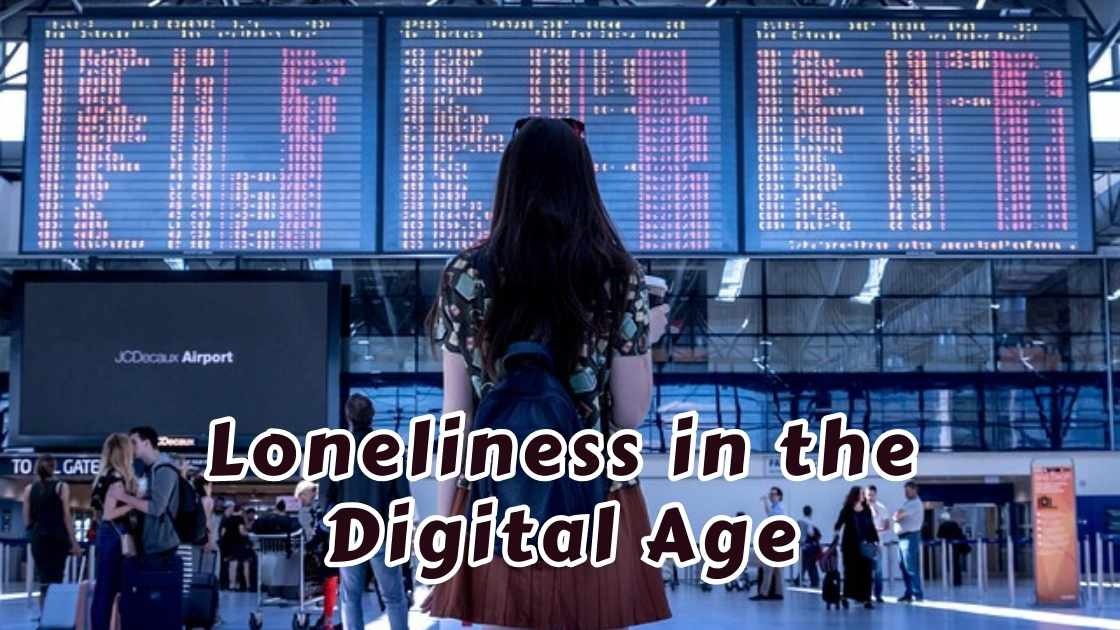
The loneliness in the digital age is becoming increasingly visible as people try to navigate a world filled with constant notifications yet lacking real emotional warmth. In many cases, the loneliness in the digital age grows quietly behind screens where conversations feel quick but rarely meaningful. Today, individuals struggle with virtual relationships, sudden moments of social disconnection, and the emotional pressure created by nonstop online behavior. This introduction gently explores why, despite endless digital access, people feel more isolated and disconnected from genuine human bonds. As you continue reading, you’ll uncover the hidden causes behind modern isolation, the role of digital overload, and how real connection can be rebuilt in a tech-driven world.

Understanding the Core Meaning of loneliness in the digital age
The idea of loneliness in the digital age refers to the emotional detachment people feel despite having access to unlimited communication tools. It emerges when online interactions replace meaningful human contact and when digital platforms give temporary connection without emotional depth. Over time, this shift affects self perception, social habits, and overall emotional well-being. The rise of virtual networks has created a space where people are present but not truly engaged, making connections feel shallow even when they happen frequently.
How the Modern World Shaped This New Form of Isolation
The Early Evolution of Online Interaction
The earliest online communities focused on sharing information and building supportive groups. These spaces encouraged discussion and helped people connect through simple forums. Over time, technological expansion introduced constant messaging, public profiles, and curated content. Although this provided speed and convenience, it also encouraged comparison, competition, and reduced face to face communication. As people turned to screens for comfort, isolation became more common, and the emotional distance widened silently. This transformation is at the heart of digital relationships, where surface engagement replaces deeper understanding.
The Role of Social Platforms and screen time
Today’s platforms offer entertainment, learning, and opportunities, yet they also create pressure to appear perfect. The constant visibility encourages people to compare themselves with others, triggering anxiety and loneliness. Excessive screen time can interrupt real conversations, limit empathy, and replace outdoor interaction. This shift affects how young people form social habits and how adults maintain long term bonds. The emotional strain becomes heavier when individuals rely on digital approval as a measure of their self worth.
Why Understanding Loneliness in The Digital Age Matters in Society
The Growing Importance of Authentic Human Connection
People now feel the need to understand the impact of online communication because genuine bonds are essential for mental stability. The lack of real conversations reduces trust, emotional comfort, and personal fulfillment. Families often struggle to maintain closeness when everyone is distracted by digital noise. Friendships lose their depth when they revolve around quick emojis rather than thoughtful dialogue. Understanding these changes helps individuals build stronger social awareness and reshape their habits for better mental wellness.
Key Benefits of Recognizing Digital Isolation Early
Realizing the signs of emotional distance can help people take control of their habits and rebuild healthy relationships. Some major benefits include:
•Better emotional awareness
•Improved balance between offline and virtual connection
•Increased ability to identify unhealthy digital patterns
Finding this balance prevents burnout, improves focus, and strengthens personal identity. It creates space for deeper relationships and reduces the dependence on constant digital activity.
Common Challenges People Face in the Connected Era
The Social Strain of virtual communication
Virtual interaction often removes tone, expressions, and emotional cues. Without these elements, people misunderstand intentions and feel a lack of warmth. Many individuals turn to digital behavior that reinforces distance, such as short replies or passive scrolling. This prevents meaningful conversations and weakens long standing connections. The absence of physical presence reduces emotional bonding and creates feelings of invisibility.
The Psychological Impact of Technology Driven Life
Many users experience social fatigue, overstimulation, and emotional numbness. Constant updates interrupt thoughts and prevent relaxation. The brain becomes accustomed to quick excitement, making deep conversations feel tiring. As a result, people may drift away from supportive relationships and rely more on temporary digital activity. The more this pattern continues, the more intense the emotional disconnection becomes.
Real Life Examples of Growing Isolation
Everyday Situations That Reveal Hidden Distance
People often sit together while scrolling on their phones instead of talking. Families eat meals with devices nearby, creating silence where conversation should be. Students form groups online but feel nervous speaking in person. These experiences show how reliance on virtual engagement overshadows authentic interaction.
How Technology Affects Personal Growth and social interaction
To better understand these effects, consider the following list:
1. People may prefer texting instead of resolving conflicts in person
2. Relationships become fragile when communication stays limited to simple reactions
3. Children develop fewer social skills due to reduced outdoor playtime
These examples highlight how constant digital noise prevents emotional maturity and makes bonding more difficult.They also demonstrate how the absence of real conversation limits personal insight.

Moving Toward Genuine Connection in a Modern World
Rebuilding Meaningful Bonds Through Intentional Choices
To overcome loneliness in the digital age, individuals must create boundaries and choose connection with awareness. Reducing unnecessary notifications and setting personal time away from screens encourages emotional strength. Spending moments with loved ones and practicing present attention help restore trust, empathy, and warmth. Using technology carefully allows people to enjoy its advantages without losing sight of human values.
Strengthening Social Health With Clear Priorities
People can enhance their social well-being by choosing mindful interaction, engaging in community activities, and practicing supportive communication. These habits create emotional balance and help individuals reconnect with the world around them. With steady effort, modern society can maintain the convenience of technology while nurturing deep and lasting bonds
Conclusion
Understanding loneliness in the digital age helps us recognize how constant connectivity can still leave people feeling emotionally distant. As technology shapes communication, many struggle with reduced empathy, shallow interactions, and increased social disconnection. By becoming aware of these challenges, we can make more intentional choices about how we connect both online and offline. Rebuilding genuine bonds, limiting digital overload, and prioritizing meaningful conversations can bring balance back into daily life. With mindful habits, individuals can lessen the effects of loneliness in the digital age and create healthier, more supportive relationships in a tech-driven world.