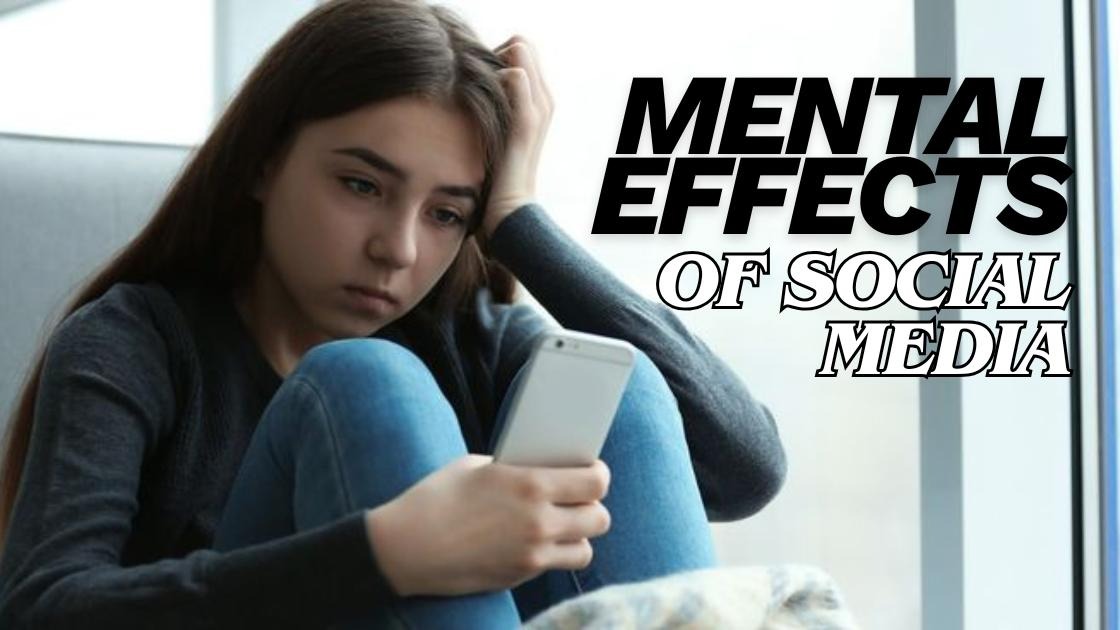
The mental effects of social media have become a growing concern as billions of people spend hours scrolling through their feeds daily. From teenagers to adults, online platforms are reshaping how we think, feel, and connect with others. While social media offers benefits like staying in touch and accessing information, it also brings challenges that can impact our emotional wellbeing.
In this article, we will explore how digital platforms influence our minds, examining issues like social media and mental health, anxiety, depression, and self-esteem struggles. We’ll also discuss the psychological impact of social media on different age groups and provide practical tips to maintain a healthier relationship with technology.
Whether you’re a parent, educator, or simply someone looking to understand your own online habits better, this guide will help you navigate the complex world of digital wellbeing and make informed choices for a balanced life.

What Are the Mental Effects of Social Media?
The mental effects of social media refer to the various ways online platforms influence our thoughts, emotions, and overall psychological state. These effects can be both positive and negative, depending on how we use these platforms and how much time we spend on them.
Over the last twenty years, social media has completely changed how we communicate. What started as simple networking sites has evolved into powerful platforms that shape opinions, relationships, and even our sense of self. Understanding these impacts is essential for maintaining good emotional health in today’s connected world.
How Social Media Affects the Brain
When we receive likes, comments, or shares, our brain releases dopamine, the feel good chemical. This creates a reward loop that can lead to social media addiction over time. The constant need for validation keeps users coming back for more, often without realizing the toll it takes on their mental state.
The Psychological Impact on Different Age Groups
Teenagers and Young Adults
Young people are particularly vulnerable to the mental effects of social media because their brains are still developing. Studies show that excessive screen time can lead to:
- Increased feelings of loneliness and isolation
- Lower self esteem due to constant comparison
- Higher rates of anxiety and depression
- Disrupted sleep patterns affecting mood
Teenagers often measure their worth based on social media metrics, which can create unrealistic expectations and online anxiety.
Adults and Professionals
Adults are not immune to these challenges. Many professionals experience stress from maintaining an online presence, dealing with workplace comparisons, and managing the pressure to appear successful. Social media can trigger career related stress and the constant worry of missing important opportunities.
Common Mental Health Challenges Linked to Social Media
Anxiety and Depression
Research consistently shows a connection between heavy social media use and increased rates of anxiety and depression. The curated nature of online content makes people feel inadequate when comparing their real lives to others’ highlight reels.
Body Image Issues
Platforms filled with filtered photos and edited content contribute to negative body image perceptions. This is especially concerning among young women and teenagers who develop unhealthy relationships with their appearance.
Cyberbullying and Online Harassment
The mental effects of social media become severe when users face cyberbullying. Online harassment can cause lasting psychological trauma, leading to:
- Social withdrawal
- Trust issues
- Severe anxiety
- In extreme cases, self harm
Benefits of Social Media for Mental Wellbeing
Despite the challenges, social media is not entirely harmful. When used mindfully, it offers several benefits for digital wellbeing:
- Connection with friends and family across distances
- Access to mental health resources and support groups
- Platform for self expression and creativity
- Community building around shared interests
- Awareness about important social issues
The key lies in finding balance and using these platforms intentionally rather than mindlessly scrolling.
Strategies for Healthy Social Media Use
Setting Boundaries and Limits
Managing screen time is crucial for protecting your mental health. Consider setting daily time limits on apps and designating phone free hours during your day.
Curating Your Feed Mindfully
The mental effects of social media largely depend on what content you consume. Unfollow accounts that make you feel negative and follow those that inspire, educate, or bring genuine joy.
Practicing Digital Detox
Taking regular breaks from social media helps reset your mind. Even a weekend away from your phone can significantly improve your emotional health and perspective.
Seeking Professional Help
If you notice persistent online anxiety or signs of depression related to social media use, consulting a mental health professional is important. They can provide personalized strategies for managing your relationship with technology.
The Role of Awareness in Digital Wellbeing
Understanding the mental effects of social media empowers you to make better choices. By recognizing how these platforms influence your mood and behavior, you can take control of your digital habits. Education about social media and mental health should start early, helping younger generations develop healthier online behaviors from the beginning.
Conclusion
The mental effects of social media are real and impact people of all ages. From anxiety and depression to body image struggles and social media addiction, these platforms shape our emotional lives in profound ways. However, with awareness and intentional habits, we can enjoy the benefits while protecting our psychological wellbeing.
By setting boundaries, curating positive content, and taking regular digital breaks, you can maintain a healthier relationship with technology. Remember, your emotional health matters more than any online validation. Stay informed, stay balanced, and prioritize your mental wellness in this digital age.