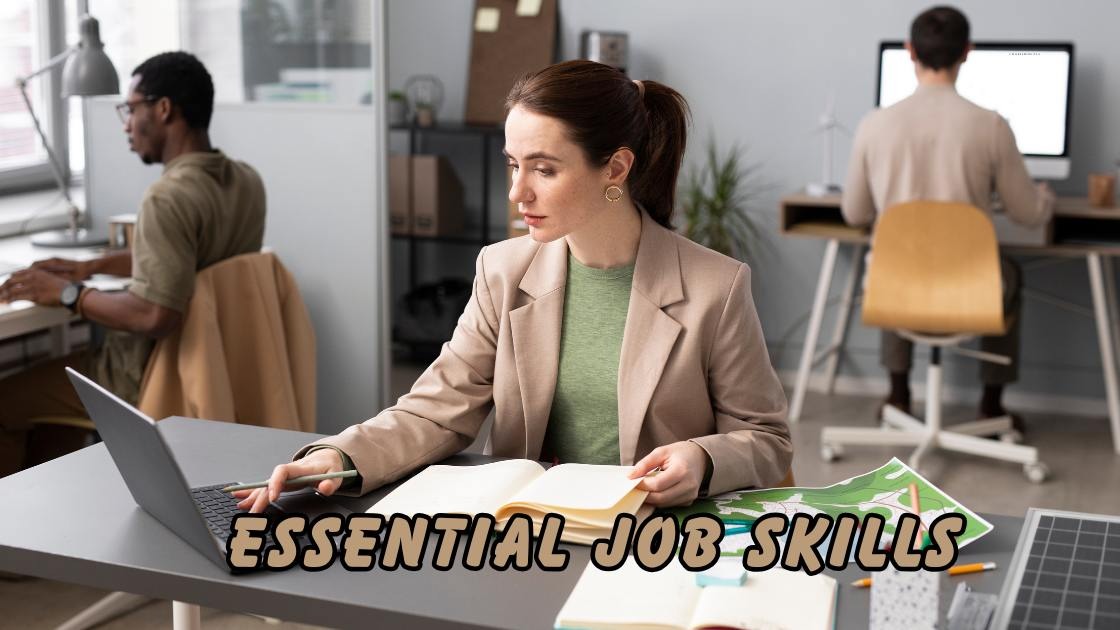
In a rapidly changing professional world, essential job skills determine how well individuals grow, adapt, and succeed. Employers now seek more than qualifications they value practical abilities that improve performance and collaboration. This article explores the meaning and evolution of these skills, explaining why they matter across industries and career stages.
You will discover how Communication Skills, Problem-Solving Abilities, Adaptability, Critical Thinking, Teamwork, and Time Management influence hiring decisions and workplace effectiveness. The guide also highlights real-life applications, benefits, and challenges involved in developing them. Whether you are a student, job seeker, or working professional, this article will help you understand what employers truly expect and how building the right skills can support long-term career growth and stability.
Understanding Job Skills in the Modern Workplace
Definition and Core Meaning
Essential job skills describe the abilities that help individuals work effectively across roles and industries. These include Soft Skills, Technical Skills, and transferable competencies such as communication and adaptability. Unlike job specific expertise, these skills support problem handling, teamwork, and professional behavior in daily tasks. They reflect how employees apply knowledge, respond to challenges, and interact with others in real situations.
Historical Shift in Workplace Expectations
In the past, employers focused mainly on degrees and experience. Over time, technological growth and globalization changed workplace needs. Today, essential job skills emphasize flexibility, learning ability, and people centered performance. The rise of Digital Literacy, remote work, and multicultural teams has increased demand for communication and critical thinking. Employers value individuals who can adjust and grow with change.
Why Essential Job Skills Matter for Career Success
Employer Perspective and Hiring Decisions
Organizations hire candidates who can contribute positively from the start. Essential job skills help employees adapt quickly and work independently. Recruiters often examine Communication Skills, Problem Solving Abilities, and Teamwork during interviews. These qualities indicate reliability, leadership potential, and cultural fit. Professionals with strong competence beyond technical knowledge often progress faster.
Impact on Daily Work Performance
Employees who master essential job skills manage time, communicate clearly, and reduce conflicts. Adaptability allows them to handle pressure and shifting priorities without losing focus. Effective collaboration improves productivity and builds trust. These skills also encourage accountability and professional confidence in everyday work environments.
Benefits of Developing Essential Job Skills
Personal Growth and Career Stability
Developing essential job skills builds self assurance and decision making ability. Professionals feel more comfortable sharing ideas and managing responsibilities. Improved Critical Thinking and Time Management support career progression and job satisfaction. These abilities also prepare individuals for leadership roles and long term success.
Organizational Advantages
Companies benefit when employees show responsibility and initiative. Teams with strong Collaboration Skills and communication produce innovative solutions. Employees who display Leadership Skills often guide others and improve morale.
Key advantages include
• Improved teamwork and cooperation
• Increased adaptability to change
• Higher productivity and accountability
Challenges in Building Essential Job Skills
1.Internal and External Limitations
Despite their value, learning job skills can be difficult. Busy schedules, limited resources, and fear of feedback often slow progress. Rapid advances in technology may also challenge professionals lacking Digital Skills. Without proper direction, individuals may find it difficult to recognize where they need improvement.
2.Practical Learning Approaches
Continuous practice and feedback help overcome obstacles. Training programs, mentoring, and real projects strengthen Interpersonal Skills. Self awareness and openness to learning play a key role in long term improvement. Employers who encourage development create confident and capable teams.
Real Life Examples of Essential Job Skills
Workplace Application Across Roles
A team leader uses Communication Skills to align goals and manage expectations. Customer support staff rely on empathy and Problem Solving Abilities to resolve issues efficiently. Technical professionals combine Analytical Thinking with teamwork to deliver solutions. These examples show how essential job skills apply across functions.

Industry Wide Relevance
Every industry benefits from professionals with strong interpersonal and thinking abilities. Healthcare, education, business, and technology all require adaptability and sound judgment. Examples include
- A marketer applying Creativity and data insights to campaigns
- An engineer using teamwork and critical reasoning to solve challenges
Preparing for the Future Workforce
Staying Relevant in Changing Markets
As automation grows, human abilities remain critical. Essential job skills such as communication, reasoning, and adaptability cannot be replaced easily. Professionals who invest early stay competitive and flexible.
Building a Sustainable Career Path
Developing essential skills creates resilience and openness to change. These abilities support transitions between roles and industries. In a fast evolving job market, they remain a strong foundation for long term growth and professional success.
Conclusion
In today’s competitive job market, essential job skills play a major role in professional growth and long-term success. From strong Communication Skills and Problem-Solving Abilities to improved Adaptability and Critical Thinking, these capabilities shape how individuals perform and collaborate at work. They benefit both employees and organizations by boosting productivity, confidence, and teamwork. As industries continue to evolve, focusing on continuous learning and Career Development ensures lasting relevance. Developing these skills today builds a solid foundation for future opportunities and career stability.