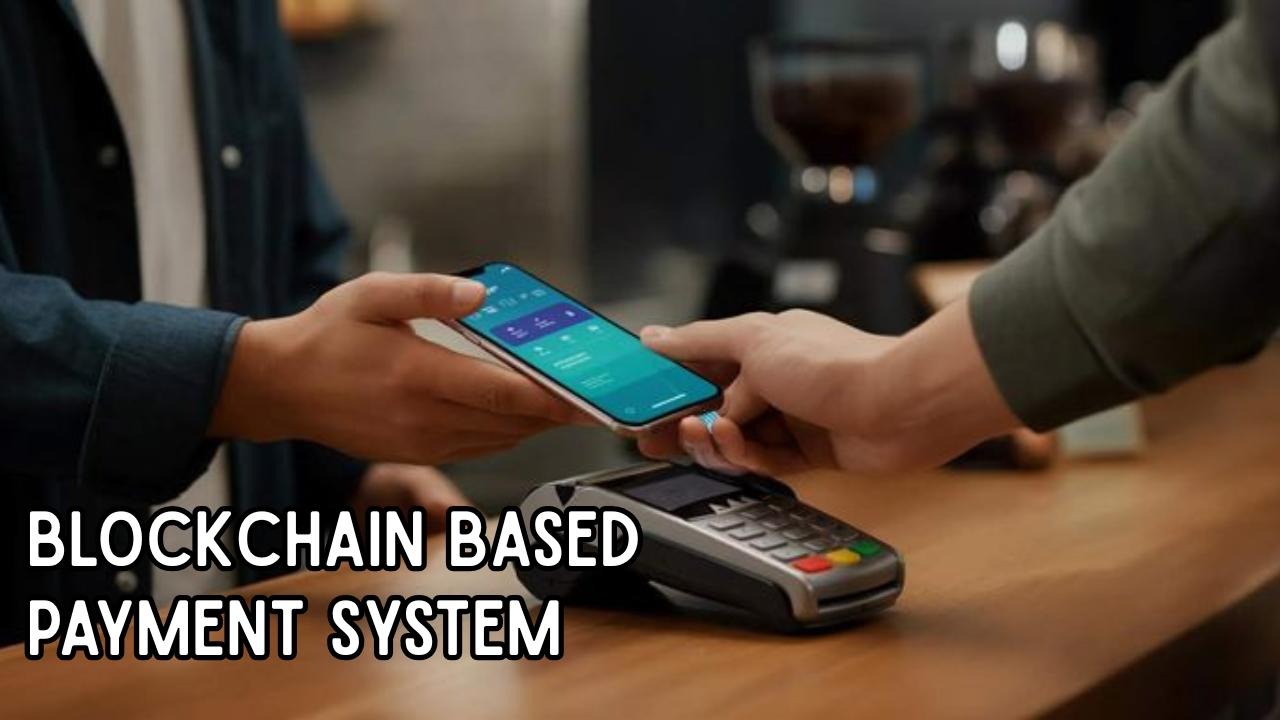
Blockchain based payment system technology is transforming the way we handle financial transactions, offering unparalleled speed, transparency, and security. In today’s fast-paced digital world, businesses and individuals are constantly seeking secure payment methods, real-time transactions, and cost-effective financial solutions.
This article explores the top benefits of adopting a blockchain-powered payment system, including enhanced data privacy, fraud prevention, and cross-border payment efficiency. We’ll break down how this revolutionary technology ensures trustless transactions and reduces reliance on traditional banking intermediaries, making payments faster and safer than ever. By the end, you’ll understand why integrating a blockchain-based approach can optimize financial operations, streamline payments, and future-proof your business against evolving digital challenges.
What is a Blockchain Based Payment System
A Blockchain based payment system is a digital framework that allows financial transactions to occur in a secure, decentralized, and transparent environment. Unlike traditional banking methods, blockchain eliminates intermediaries, reducing transaction fees and increasing efficiency. The system leverages cryptographic security, digital ledgers, and distributed networks to record every transaction immutably. This ensures fraud prevention, data integrity, and trustless transactions, making it highly reliable for businesses and consumers alike. As digital payments continue to grow globally, understanding the functionality of blockchain in payments has become essential for modern financial operations.
How it Works
The blockchain framework works by creating a network of nodes, each holding a copy of the transaction history. Every new transaction is verified through a consensus mechanism before being added to the ledger. After validation, the transaction becomes final and cannot be changed.This provides enhanced transparency and financial accountability. Users can execute payments directly without relying on third-party banks, which ensures faster settlements and lower operational costs.
Key Features
Secure transactions: All transfers are encrypted and validated.
Decentralization: Eliminates single points of failure in payment networks.
Transparency: Every participant can trace transactions in real time.
Speed: Settlements occur within minutes, not days.
History and Background of Blockchain in Payments
The concept of a Blockchain based payment system emerged from the invention of Bitcoin in 2008. Bitcoin introduced the idea of a peer-to-peer decentralized currency capable of replacing traditional financial intermediaries. Since then, blockchain technology has evolved to support smart contracts, digital wallets, and cross-border payment solutions. Many businesses now leverage blockchain not only for cryptocurrency transactions but also to enhance financial efficiency, data security, and transaction reliability. The growing adoption of blockchain reflects its potential to revolutionize global payment infrastructures and reduce reliance on conventional banking processes.
Early Adoption
Initially, blockchain payments were limited to cryptocurrencies. Over time, corporations and fintech startups started integrating blockchain to improve real-time payments, secure fund transfers, and digital banking solutions. Governments and banks worldwide are now exploring central bank digital currencies (CBDCs), highlighting the strategic importance of blockchain in modern finance.
Importance of a Blockchain Based Payment System
The importance of using a blockchain-based system lies in its ability to address critical issues in traditional payment systems. Standard transactions often face delays, high fees, and vulnerability to fraud. Blockchain provides a trustless environment, meaning participants do not need to rely on intermediaries to validate transactions. Businesses benefit from enhanced operational efficiency, while consumers enjoy secure online payments and transparent transaction histories.
Why Businesses Should Adopt Blockchain
- Reduced Costs: Eliminating intermediaries lowers fees for international and domestic payments.
- Faster Settlements: Transactions are completed within minutes, unlike traditional banking systems.
- Fraud Prevention: Immutable ledgers make tampering nearly impossible.
- Regulatory Compliance: Blockchain records provide accurate and auditable data for authorities.
Benefits of Using a Blockchain Based Payment System
Using a Blockchain based payment system offers multiple advantages for both individuals and organizations. Here are some key benefits:
Enhanced Security and Privacy
Blockchain leverages cryptographic encryption to protect transaction data. This reduces the risk of cyberattacks and identity theft. Sensitive financial information is stored in a secure digital ledger, accessible only to authorized users.
Fast and Cost-Effective Transactions
Traditional payments often require days for processing, especially for cross-border transfers. Blockchain enables instant payments and eliminates intermediary fees, making transactions both faster and cheaper. Businesses can save significantly on transaction costs while improving cash flow efficiency.
Transparency and Traceability
Each transaction on the blockchain is recorded permanently and can be verified by all participants. This financial transparency helps businesses maintain audit-ready records and builds trust with customers. Consumers can also track their payments in real time, ensuring accountability and transaction authenticity.
Cross-Border Payment Efficiency
Blockchain allows users to send money across countries without relying on traditional banking networks. This enhances international remittance efficiency, reduces currency conversion delays, and ensures seamless fund transfers.
Challenges of Blockchain Based Payment Systems
While blockchain offers numerous benefits, it also faces certain challenges that must be addressed:
Technical Complexity
Implementing a blockchain system requires advanced technical knowledge and integration with existing financial infrastructure. Organizations may need skilled blockchain developers, digital ledger experts, and IT support to ensure smooth operations.
Regulatory Uncertainty
Blockchain-based payments are still navigating global regulatory frameworks. Compliance issues, taxation policies, and legal uncertainties can impact widespread adoption.
Scalability Concerns
Blockchain networks can experience slowdowns when handling large volumes of transactions. Solutions such as layer-2 protocols and sharding are being developed to enhance scalability and maintain fast transactions for large-scale operations.

Real-World Examples of Blockchain Payments
Several companies and financial institutions have successfully implemented Blockchain based payment systems:
Major Corporations
IBM Blockchain provides enterprise solutions for secure supply chain payments.
Ripple facilitates instant cross-border payments for banks and financial institutions.
Fintech Startups
Startups like BitPay and Coinbase Commerce enable businesses to accept cryptocurrency payments with enhanced financial transparency and secure processing.
Government Initiatives
Countries exploring CBDCs demonstrate how blockchain can optimize national payment systems, increase financial inclusion, and reduce dependency on cash-based transactions.
Future Outlook
The future of a Blockchain based payment system looks promising as technology matures. With increasing adoption of digital wallets, smart contracts, and decentralized finance (DeFi) platforms, blockchain will continue to enhance payment efficiency, transaction security, and global financial accessibility. Businesses and individuals investing in this technology now are likely to benefit from a more transparent, fast, and cost-effective financial ecosystem.
Conclusion:
In conclusion, a Blockchain based payment system is revolutionizing the way transactions are conducted by offering secure payments, fast settlements, and fraud prevention. Businesses and individuals benefit from financial transparency, cost-effective operations, and real-time transactions, making this technology essential for modern finance. Despite challenges like regulatory uncertainty and technical complexity, the advantages far outweigh the risks. Adopting blockchain ensures data integrity, enhances trustless transactions, and streamlines cross-border payments, proving that this system is a critical step toward a more efficient, secure, and future-ready digital payment ecosystem.