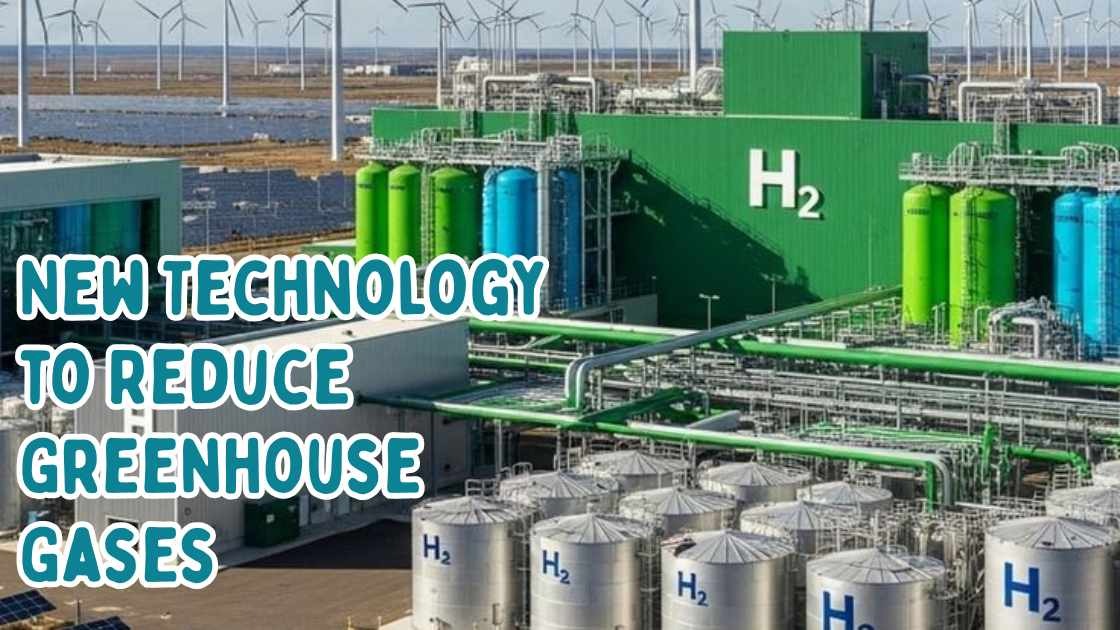
New technology to reduce greenhouse gases is revolutionizing the way we produce and consume energy. As climate change continues to threaten ecosystems and economies, innovative solutions are emerging that make renewable energy more efficient, affordable, and scalable.
In this article, we will explore how carbon capture innovations, solar advancements, wind energy improvements, smart grids, and sustainable energy storage are reshaping the future of clean power. By examining these cutting-edge approaches, readers will gain insights into how technology is driving a greener, low-emission world. Whether you are a student, researcher, or environmentally conscious individual, this guide will showcase practical solutions that contribute to reducing carbon footprints while promoting eco-friendly energy solutions.
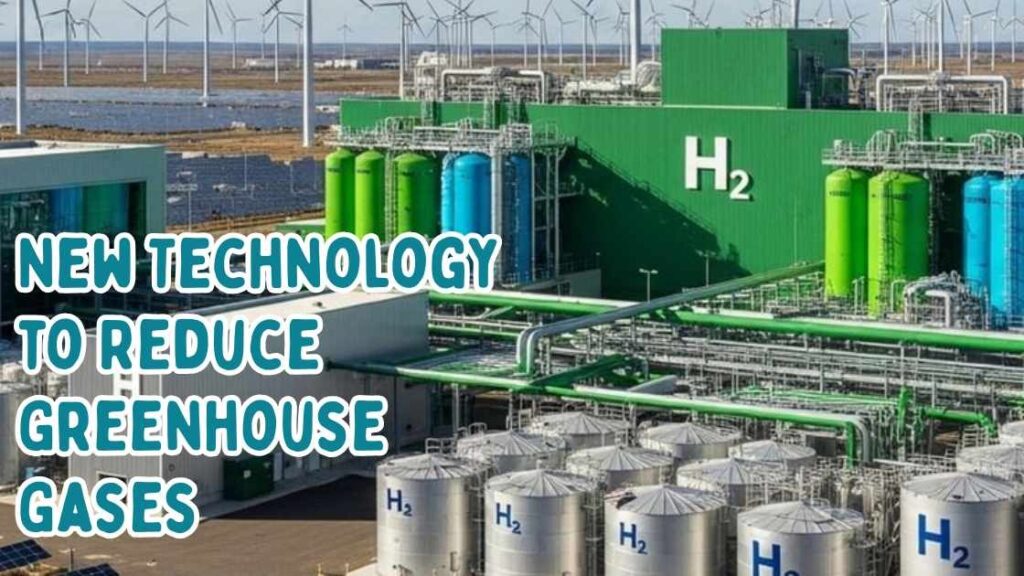
Understanding New Technology to Reduce Greenhouse Gases
New technology to reduce greenhouse gases refers to innovative methods and systems designed to decrease the emission of harmful gases such as carbon dioxide, methane, and nitrous oxide into the atmosphere. These technologies are critical in addressing climate change, improving air quality, and promoting sustainable energy solutions. Over the past decades, rapid industrialization and increased energy consumption have caused a surge in greenhouse gas levels, prompting scientists and engineers to develop smarter ways to combat this crisis. From carbon capture systems to renewable energy integration, the focus has shifted toward solutions that are not only effective but also economically viable and environmentally sustainable.
Background and History of Greenhouse Gas Reduction Technology
The concept of reducing greenhouse gases has been evolving since the late 20th century when global warming emerged as a significant environmental threat. Early efforts included basic energy efficiency measures and solar panel technology, aimed at reducing reliance on fossil fuels. With the advancement of wind energy, bioenergy, and geothermal systems, the field expanded to incorporate more sophisticated technologies. Today, smart grids, advanced battery storage, and carbon capture and storage (CCS) systems play a crucial role in minimizing emissions. Understanding the historical progression helps highlight the challenges overcome and emphasizes the importance of integrating eco-friendly technologies into modern energy systems.
Importance of New Technology to Reduce Greenhouse Gases
Implementing new technology to reduce greenhouse gases is no longer optional but essential for the survival of our planet. Reducing emissions not only mitigates the effects of global warming but also improves public health by lowering air pollution levels. Additionally, it supports the transition toward sustainable development goals and fosters innovation in green energy solutions. Governments, industries, and researchers are increasingly investing in renewable energy sources, carbon footprint reduction strategies, and eco-friendly industrial processes to achieve a cleaner, safer environment. The integration of these technologies ensures long-term energy efficiency, economic growth, and environmental preservation.
Key Technologies Transforming Renewable Energy
Carbon Capture and Storage (CCS)
Carbon capture and storage is one of the most effective methods for reducing greenhouse gases. It involves capturing CO2 emissions from industrial processes or power plants and storing them underground in geological formations. CCS helps prevent significant amounts of carbon dioxide from entering the atmosphere, contributing to a cleaner and safer environment. Companies implementing industrial emission reduction techniques are seeing tangible benefits, including compliance with environmental regulations and enhanced sustainability profiles.
Advanced Solar and Wind Energy
Solar energy advancements include higher efficiency panels, solar thermal systems, and innovative photovoltaic technologies. These improvements reduce dependence on fossil fuels and lower greenhouse gas emissions significantly. Similarly, wind energy improvements, such as taller turbines and offshore wind farms, allow the capture of more energy with minimal environmental impact. Both technologies are pivotal in the global effort to create clean energy infrastructure and reduce carbon footprints.
Smart Grids and Energy Storage
Smart grids revolutionize the way electricity is distributed and consumed. By integrating renewable energy sources efficiently, smart grids reduce energy waste and enhance grid stability. Coupled with advanced energy storage systems, they ensure uninterrupted supply even during peak demand. These technologies collectively contribute to lowering greenhouse gas emissions and improving energy management practices across industries and households.
Benefits of Implementing New Technology to Reduce Greenhouse Gases
- Environmental Preservation: Reduces air pollution and combats climate change.
- Economic Advantages: Creates jobs in renewable energy sectors and promotes green innovation.
- Energy Efficiency: Enhances the use of sustainable energy solutions across industries.
- Public Health Improvements: Lowers harmful emissions, resulting in better air quality.
- Regulatory Compliance: Helps industries meet emission reduction standards effectively.
Challenges in Adopting Greenhouse Gas Reduction Technology
Despite the benefits, several challenges hinder widespread adoption. High initial costs of renewable energy infrastructure, technological complexity, and limited public awareness are major obstacles. Additionally, integrating new systems with existing energy grids and ensuring long-term maintenance requires expertise and investment. Policymakers must focus on incentivizing adoption through green energy subsidies, carbon credits, and public-private partnerships to overcome these barriers. Education and training in sustainable energy practices are also critical for maximizing technology adoption.
Examples of Successful Implementation
Countries worldwide are leading the way in applying new technology to reduce greenhouse gases. For instance, Denmark excels in wind energy, while Germany utilizes advanced solar systems combined with smart grids. In Asia, China is investing heavily in carbon capture and storage, while India is implementing large-scale bioenergy projects. Corporations like Tesla are advancing energy storage technologies and electric vehicle integration, further reducing industrial and transportation emissions. These examples demonstrate that combining eco-friendly technologies, sustainable energy solutions, and innovative practices can make a significant difference in global emission reduction.
Future Outlook of Greenhouse Gas Reduction Technologies
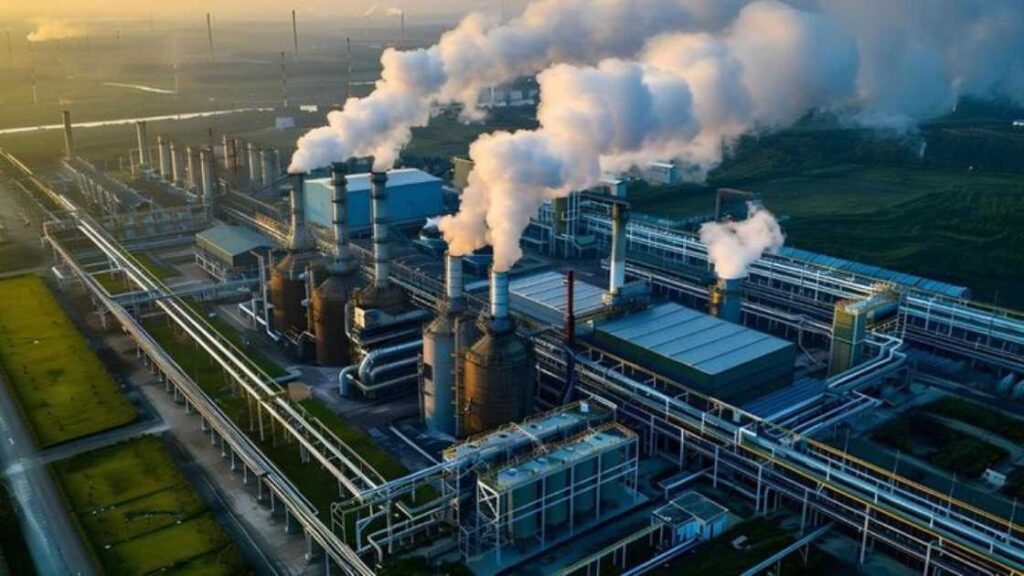
The future of new technology to reduce greenhouse gases is promising, with innovations continuing to emerge in renewable energy, carbon-neutral industrial processes, and smart city solutions. Investment in research and development will enhance the efficiency and affordability of these technologies, enabling wider adoption. Integration with digital solutions and artificial intelligence will optimize energy use, track emissions, and ensure sustainable growth. As more countries commit to net-zero targets and climate action plans, the role of technology in reducing greenhouse gases will become even more crucial, shaping a cleaner, greener future for generations to come.
Conclusion:
In conclusion, new technology to reduce greenhouse gases is transforming the way we approach renewable energy, carbon capture innovations, and sustainable energy solutions. By integrating smart grids, advanced energy storage, and eco-friendly energy practices, industries and communities can significantly lower their carbon footprint while promoting environmental sustainability. Despite challenges like high costs and technical complexity, continued investment in green energy solutions and climate action strategies will ensure a cleaner, healthier planet. Embracing these innovations is essential for achieving long-term energy efficiency and a sustainable future for all.