Teaching life skills for special needs students is one of the most meaningful investments parents, caregivers, and educators can make in a child’s future. These skills go far beyond classroom academics. They cover everything from personal hygiene and money management to social communication and safety awareness, forming the foundation that allows students with disabilities to navigate daily life with greater confidence and autonomy.
Table of Contents
Why does this matter so urgently? According to the U.S. Bureau of Labor Statistics (BLS), only 22.8 percent of people with a disability were employed in 2025, compared to 65.2 percent of those without a disability. That gap tells a striking story. When life skills instruction begins early and stays consistent, students are far better equipped to close that divide as they grow into adulthood.
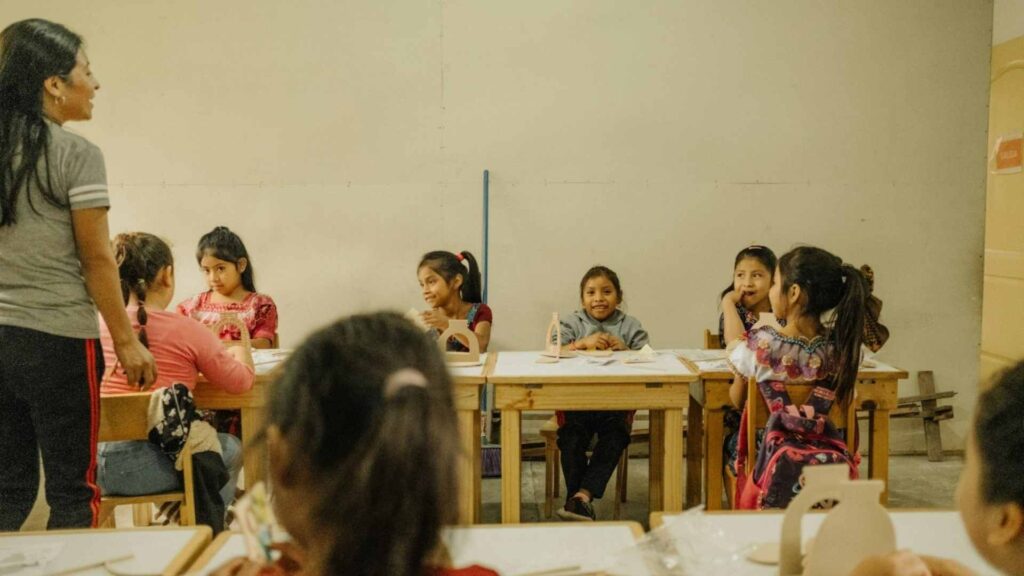
What Are Life Skills for Special Needs Students?
Life skills are the practical, everyday abilities a person needs to function independently in the community. For students with special needs, these skills often require intentional, structured teaching because they may not be picked up naturally through observation alone.
Core life skill categories include:
Personal care: Brushing teeth, grooming, dressing, and maintaining hygiene routines.
Communication: Expressing needs, understanding social cues, and engaging in conversations.
Safety awareness: Recognizing danger, knowing emergency contacts, and following traffic rules.
Money management: Counting currency, making purchases, and understanding basic budgeting.
Household tasks: Preparing simple meals, cleaning, doing laundry, and organizing belongings.
Community navigation: Using public transport, reading signs, and shopping independently.
Each of these areas plays a direct role in helping a student transition from school into adult life, whether that means supported living, employment, or higher education.
Why Life Skills Training Matters More Than Ever
The demand for functional life skills education has grown significantly as more families and schools recognize that academic achievement alone does not prepare students with disabilities for adulthood.
Data from the National Center for Education Statistics (NCES) shows that in the 2022 to 2023 school year, approximately 7.5 million students ages 3 through 21 received special education services under the Individuals with Disabilities Education Act (IDEA), representing roughly 15 percent of all public school students. That is a substantial population, and each of these learners benefits from practical life skill instruction tailored to their individual strengths and challenges.
Research consistently links early life skills training with better long term outcomes. The University of West Alabama highlights that learning life skills at a younger age helps people with special needs achieve greater success later in life, particularly when it comes to employment, independent living, and social participation.
Furthermore, less than one in five working age adults with intellectual disabilities hold a paid job, and 28 percent have never been employed at all, according to data compiled from the Bureau of Labor Statistics and Special Olympics. These numbers make it clear that traditional education pathways, without strong life skills components, leave too many students unprepared.
Key Life Skills Every Special Needs Student Should Learn
Personal Hygiene and Self Care
Personal hygiene is often the first area of life skills instruction for students with special needs, and for good reason. Mastering routines like handwashing, tooth brushing, bathing, and dressing builds both physical health and self esteem.
Effective strategies for teaching self care include breaking each task into small, manageable steps through a method called task analysis. Visual schedules with pictures or icons can guide students through their morning or bedtime routines without constant verbal prompting. Over time, these supports are gradually faded as the student gains confidence.
For students with sensory sensitivities, occupational therapists often recommend introducing textures and products slowly, allowing the child to adjust at their own pace rather than forcing compliance.
Communication and Social Skills
Strong communication is the gateway to nearly every other life skill. Students who can express their needs, ask for help, and understand social boundaries are better positioned to succeed in school, at work, and in their communities.
For nonverbal or minimally verbal students, augmentative and alternative communication (AAC) tools such as picture exchange systems, speech generating devices, or tablet based apps can be transformative. The goal is never to force a single communication method but to find the approach that works best for each individual learner.
Social skills instruction should go beyond textbook lessons. Role playing real scenarios, practicing greetings, learning to take turns in conversation, and understanding facial expressions all help students build genuine connections with peers and adults around them.
Money Management and Financial Literacy
Understanding money is a skill that directly impacts a person’s ability to live independently. Yet it is frequently overlooked in special education curricula until transition planning begins in the teenage years.
Starting early makes a difference. Young students can begin with simple concepts like identifying coins and bills, understanding that items cost money, and practicing exchange during pretend play. As they get older, instruction can expand to cover budgeting a small allowance, comparing prices at a store, and using a debit card safely.
Community based instruction, where students practice real purchases at local shops, is one of the most effective teaching methods for financial literacy. It moves learning out of the abstract and into the student’s actual environment.
Safety Awareness and Community Navigation
Safety awareness is a non negotiable life skill for students with special needs. It encompasses everything from recognizing dangerous situations and responding to emergencies to understanding traffic signals and practicing stranger awareness.
Many students with cognitive or developmental disabilities process risk differently than their neurotypical peers. This means safety instruction must be explicit, repetitive, and practiced in real settings rather than only discussed in a classroom.
Effective approaches to teaching safety skills include:
Visual social stories that walk students through scenarios like what to do if they get lost, how to call for help, or how to respond when a fire alarm sounds.
Repeated community outings where students practice crossing streets, identifying safe adults, and following pedestrian rules under guided supervision.
Personal identification training that helps students memorize or carry their full name, home address, guardian’s phone number, and any critical medical information.
A 2024 report by the U.S. Government Accountability Office (GAO) found that many schools lack key support personnel such as social workers, school psychologists, and counselors, creating unequal access to services for students with disabilities. This staffing gap makes it even more important for families to reinforce safety education at home and in community settings.
Household and Daily Living Skills
Cooking, cleaning, doing laundry, and managing personal spaces are skills that directly determine how independently a person can live as an adult. For special needs students, instruction in these areas should start with simple, age appropriate tasks and gradually increase in complexity.
A young child might begin by learning to put toys away or wipe a table. A teenager can advance to preparing a basic meal, sorting laundry by color, or loading a dishwasher. The key is consistent practice paired with visual supports, checklists, and positive reinforcement.
Programs like Friendship Circle’s Lessons for Life 2.0 use a simulated community environment called Weinberg Village, where young adults practice skills like budgeting, time management, and problem solving in a controlled space before applying them in real world situations. Since its launch in 2005, this program has supported over 10,000 students from more than 150 schools.
This kind of structured, hands on approach works because it builds muscle memory and routine, two elements that are especially powerful for learners with autism, intellectual disabilities, or developmental delays.
The Role of IEPs in Life Skills Education
An Individualized Education Program (IEP) is the legal document that outlines the educational goals and services a student with a disability will receive. When life skills are written directly into the IEP, they become a formal part of the student’s education rather than an afterthought.
Parents and guardians should advocate for measurable life skill goals during IEP meetings. Instead of vague objectives like “improve independence,” stronger goals look like “the student will independently complete a three step morning hygiene routine on four out of five school days.”
Transition planning, which is required under IDEA beginning at age 16 (and as early as 14 in some states), should include specific benchmarks related to employment readiness, community participation, and daily living competencies. Education experts at the University of West Alabama emphasize that students with disabilities who build practical skills early are more likely to achieve self sufficiency and lead balanced, fulfilling lives.
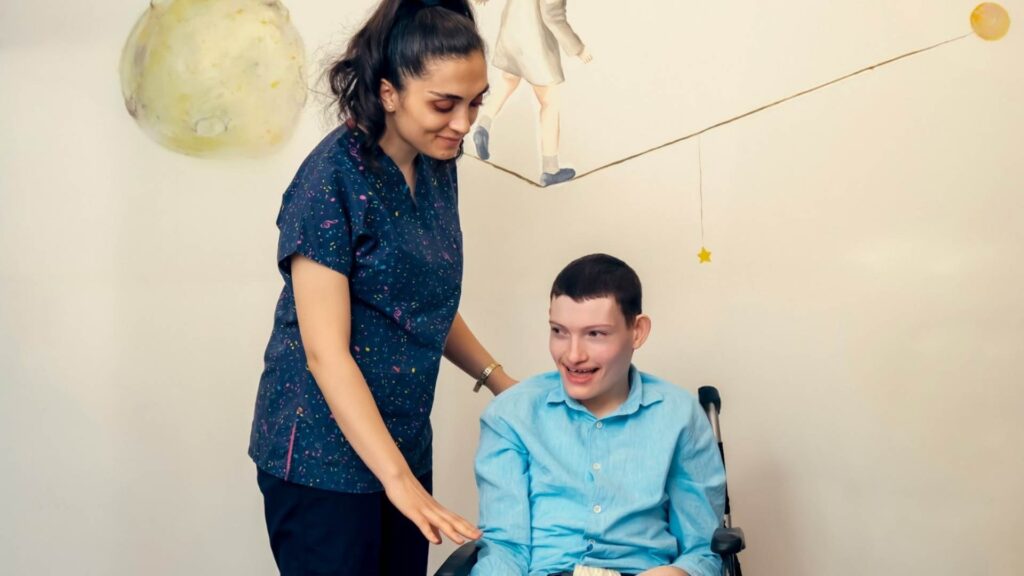
Technology Tools That Support Life Skills Development
Assistive technology has opened remarkable doors for special needs learners. From visual scheduling apps to speech generating devices, the right tools can accelerate skill building in ways that were not possible a decade ago.
Some of the most useful technology resources include:
Visual schedule apps like First Then Visual Schedule or Choiceworks, which help students follow daily routines step by step on a tablet.
AAC communication apps such as Proloquo2Go or TouchChat, which give nonverbal students a voice and help them participate in social interactions.
Money skills apps that simulate real shopping experiences and teach students to count change, compare prices, and stick to a budget.
Video modeling platforms where students watch short clips of peers performing a skill, then practice it themselves, a method backed by decades of research in applied behavior analysis.
Technology should always complement direct instruction, not replace it. The most effective programs blend digital tools with real world practice and human support.
Practical Tips for Parents and Educators
Building life skills is a team effort. Here are actionable strategies that families and teachers can use every day:
Start with the student’s strengths. Identify what the learner already does well and build outward from there.
Use natural routines as teaching moments. Grocery shopping, cooking dinner, and morning preparation are all opportunities for embedded instruction.
Be patient with repetition. Students with special needs often require dozens or even hundreds of practice trials before a skill becomes automatic.
Celebrate small wins. Every step forward matters, whether it is buttoning a shirt independently or ordering food at a restaurant for the first time.
Collaborate across settings. When the same skill is reinforced at home, in school, and in the community, students learn faster and retain more.
Conclusion
Life skills for special needs students are not optional extras. They are the building blocks of independence, dignity, and long term well being. From personal hygiene and communication to money management, safety awareness, and household tasks, every skill a student masters brings them one step closer to a fulfilling adult life.
The data makes it clear: with only 22.8 percent of people with disabilities employed in 2025 according to the Bureau of Labor Statistics, early and intentional life skills instruction is one of the most powerful tools we have to change outcomes. Parents, teachers, therapists, and community members all play a role in making that happen.
If this guide resonated with you, share it with a fellow parent, educator, or advocate who might benefit. And if you have strategies or experiences that have worked for your family or classroom, leave a comment below. Your insights could help another student thrive.
What are life skills for special needs students?
Life skills for special needs students are practical, everyday abilities such as personal hygiene, communication, money handling, cooking, safety awareness, and social interaction. These skills are taught through structured, individualized instruction to help students function more independently at home and in the community.
At what age should life skills training begin for children with disabilities?
Life skills instruction can start as early as preschool with simple tasks like handwashing, tidying up, and following basic routines. Research suggests that the earlier these skills are introduced, the more effectively students internalize them and carry them into adulthood.
How are life skills included in an IEP?
Life skills can be added as specific, measurable goals within a student’s Individualized Education Program. Parents should request that functional skill targets related to daily living, communication, and community participation are included during annual IEP meetings, especially as transition planning begins.
What are the best ways to teach life skills to students with autism?
Visual supports, task analysis, video modeling, social stories, and community based instruction are among the most effective methods. Many students with autism respond well to structured routines and technology based tools that break tasks into predictable, repeatable steps.
Why is transition planning important for special needs students?
Transition planning prepares students for life after school by setting goals around employment, independent living, and community involvement. Under IDEA, schools are required to begin transition services by age 16, ensuring students have a clear path toward adult self sufficiency.
Can technology help special needs students learn life skills?
Yes, assistive technology such as visual scheduling apps, communication devices, and interactive learning platforms can significantly support life skills development. These tools work best when combined with direct instruction, guided practice, and consistent reinforcement across home and school environments.