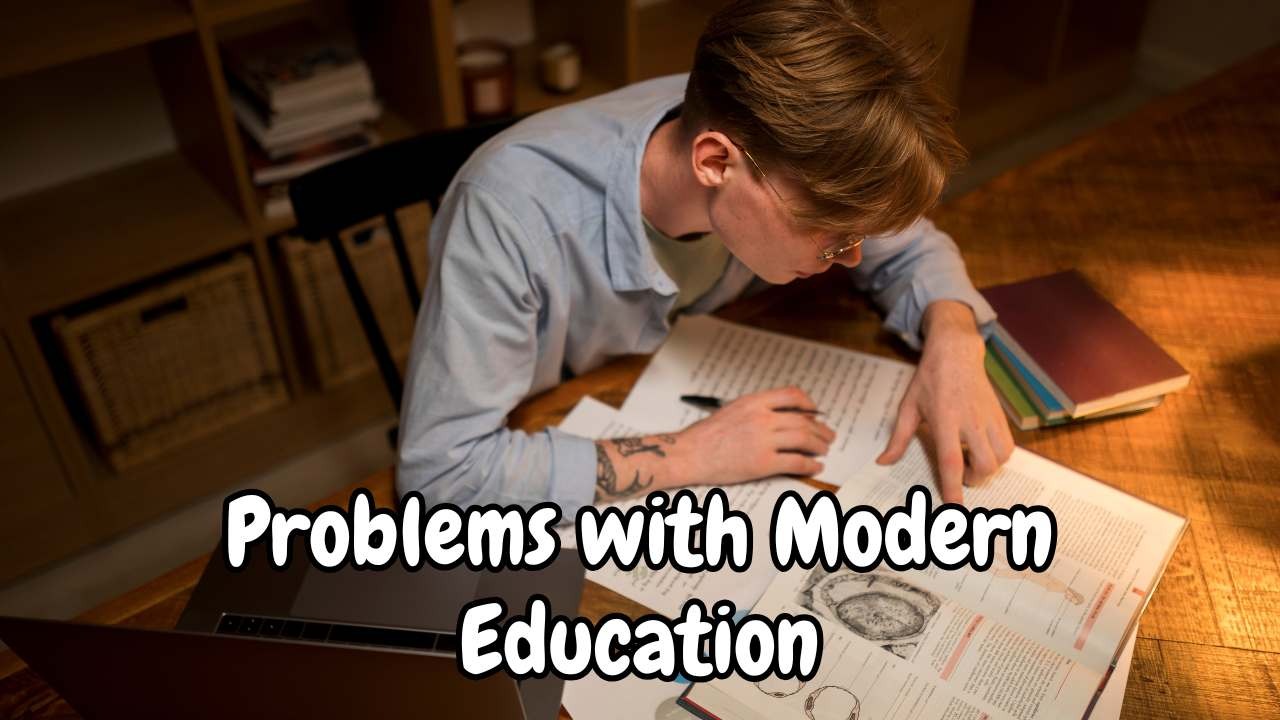
Problems with modern education are influencing how young minds develop and interact with the world. As schools and institutions evolve, students face challenges that affect critical thinking, learning adaptability, emotional intelligence, and practical skill development.
In this article, we will explore how outdated teaching methods, overemphasis on exams, and lack of real-world application are impacting the next generation. You’ll also discover ways to address educational inequality, enhance student engagement, and foster creative problem-solving skills. By understanding these issues, parents, educators, and policymakers can work together to build a system that truly supports growth and prepares learners for future challenges.
Understanding Problems with Modern Education
Problems with modern education are not new, but their impact on students today is more significant than ever. Over the past few decades, education systems worldwide have evolved to meet societal demands, but many challenges persist. The foundation of learning has shifted from traditional knowledge transfer to standardized testing, leaving gaps in practical skills, emotional intelligence, and critical thinking. Recognizing these challenges helps educators, parents, and policymakers address the learning crisis effectively. This section explores the core issues, the historical context, and their influence on shaping the next generation.
Historical Background of Problems with Modern Education
The evolution of education began with classical methods focused on rote memorization and rigid structures. While this helped maintain discipline and basic literacy, it failed to cultivate creativity and independent thinking. With the industrial revolution, the focus shifted to mass education, aiming to create workforce-ready individuals. However, as technology and society advanced, the system struggled to adapt, resulting in educational inequality, outdated curricula, and the widening gap between academic knowledge and real-world application.
Understanding this history clarifies why certain challenges in learning remain persistent and why modern students often feel disconnected from traditional educational methods.
Key Challenges of Problems with Modern Education
Lack of Personalized Learning
One of the most significant problems with modern education is the absence of personalized learning. Each student has a unique learning style and pace, but conventional classrooms often follow a one-size-fits-all approach. This can limit student engagement, create learning gaps, and hinder academic performance. Teachers struggle to provide individual attention due to large class sizes, leaving students without proper guidance to develop practical knowledge and problem-solving skills.
Overemphasis on Standardized Testing
Standardized testing dominates many education systems, prioritizing grades over genuine understanding. While tests measure knowledge retention, they rarely assess creativity, critical thinking, or emotional intelligence. Students often memorize information temporarily to pass exams, resulting in shallow learning and reduced practical skill development. This approach also increases academic stress, contributing to burnout and decreased motivation.
Insufficient Focus on Life Skills
Another problem with modern education is neglecting life skills essential for real-world success. Skills like financial literacy, communication, time management, and teamwork are rarely integrated into traditional curricula. Without these, students may excel academically but struggle in professional or personal life. Fostering holistic development is crucial to prepare learners for challenges beyond the classroom.
Impacts of Problems with Modern Education on Students
Emotional and Social Development
Modern education often prioritizes grades over personal growth. This can affect emotional intelligence, confidence, and interpersonal skills. Students may develop anxiety or a fear of failure, limiting their ability to navigate real-world challenges. Promoting student well-being and a supportive environment is essential to counter these negative effects.
Gap Between Knowledge and Real-World Application
Many students graduate with academic excellence but lack practical skills required in the workplace. This skills gap is a direct outcome of outdated teaching methods that focus on theory over application. Employers often find graduates unprepared for problem-solving tasks, teamwork, and adapting to dynamic work environments. Incorporating project-based learning and hands-on experiences can bridge this gap effectively.
Solutions to Address Problems with Modern Education
Adopting Student-Centric Approaches
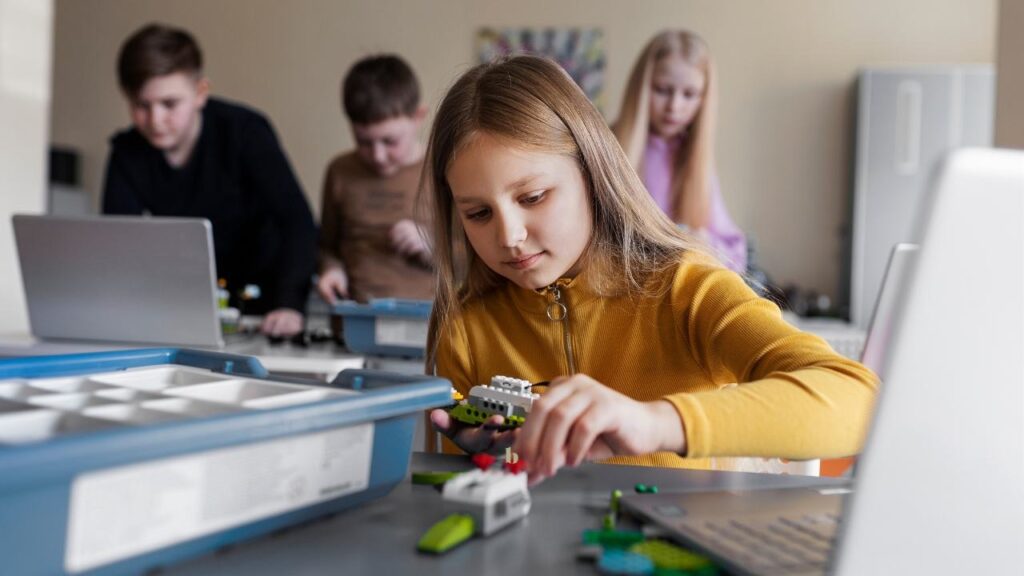
Shifting to student-centric learning can tackle several challenges simultaneously. This approach emphasizes individual strengths, learning preferences, and collaborative skills. Techniques like blended learning, interactive classrooms, and digital tools enable personalized experiences, ensuring students achieve their full potential.
Integrating Technology
Technology in education can transform the way students learn. Platforms that support online learning, virtual labs, and adaptive assessments enhance engagement and understanding. Using ed-tech tools helps students explore concepts beyond textbooks, improving both critical thinking and practical knowledge.
Encouraging Holistic Development
Schools must emphasize holistic development, including emotional growth, creativity, and life skills. Programs focused on leadership training, team-building exercises, and financial literacy workshops prepare students for diverse challenges. Encouraging extracurricular activities also supports mental health and social development, which are often overlooked in traditional systems.
Real-Life Examples
Several countries have begun addressing problems with modern education successfully. For instance, Finland emphasizes student well-being, personalized learning, and minimal standardized testing, resulting in high levels of academic achievement and life satisfaction. Similarly, innovative schools in Singapore focus on critical thinking, problem-solving, and project-based learning, ensuring students acquire both theoretical and practical knowledge. These examples show that addressing modern education challenges is possible with the right strategies and policies.
Benefits of Solving Problems with Modern Education
- Improved critical thinking and problem-solving abilities
- Enhanced emotional intelligence and interpersonal skills
- Better career readiness and practical skill application
- Increased student engagement, motivation, and academic performance
By overcoming these challenges, students gain not only knowledge but also the confidence and resilience needed to succeed in the 21st century. Education becomes a tool for empowerment, rather than just academic achievement.
Conclusion:
In conclusion, significantly influence how students develop academically, socially, and emotionally. Addressing issues like standardized testing, lack of personalized learning, and insufficient life skills integration is essential for preparing the next generation. By focusing on holistic development, fostering critical thinking, and embracing technology in classrooms, educators can create a more engaging and effective learning environment. Solving these challenges ensures students gain not only academic knowledge but also the confidence, creativity, and practical skills needed to thrive in the future.