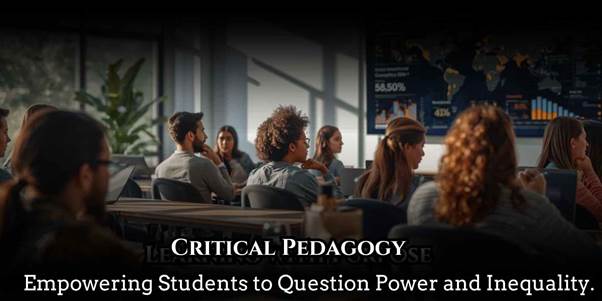
Challenges of modern education are reshaping how students learn and how teachers deliver knowledge. In today’s fast-paced world, schools face issues like digital literacy gaps, student engagement problems, curriculum relevance, and learning inequality, making education more complex than ever.
This article explores effective strategies for teachers and students to overcome these hurdles, including adopting innovative teaching methods, leveraging technology in classrooms, and fostering critical thinking skills. By understanding the core problems and practical solutions, educators can create a more inclusive and adaptive learning environment. Whether you are an instructor looking to enhance classroom outcomes or a student aiming to succeed, this guide provides actionable insights to tackle the most pressing challenges of modern education successfully.

Understanding the Challenges of Modern Education
The challenges of modern education are multifaceted and impact both students and teachers in profound ways. Modern education is no longer just about memorizing facts or passing exams; it encompasses critical thinking, digital literacy, emotional intelligence, and the ability to adapt to an ever-changing world. With the rise of technology, globalization, and diverse learning needs, schools face unprecedented obstacles. Understanding these educational barriers is essential for creating strategies that enhance learning outcomes and improve classroom experiences.
Education has always evolved, from traditional rote learning methods to more interactive and technology-driven approaches. Today, the importance of education goes beyond academics, focusing on preparing students for real-life challenges and equipping them with essential life skills. However, as society changes rapidly, so do the challenges of modern education, making it critical to explore solutions that cater to both teachers’ and students’ needs.
Key Challenges Faced in Modern Classrooms
Digital Literacy Gaps
In the 21st century, technology is a cornerstone of education. However, digital literacy gaps remain a significant obstacle. Many students lack the skills to use educational software, access online resources efficiently, or evaluate information critically. Teachers also face difficulties integrating technology in classrooms effectively, as some may not be trained in innovative teaching methods. Bridging this gap is crucial for creating a more inclusive and technologically competent learning environment.
Student Engagement Problems
Maintaining student engagement has become increasingly challenging. With the prevalence of distractions from smartphones and social media, students often struggle to stay focused. Modern teaching methods emphasize interactive learning, group discussions, and problem-solving activities to counteract disengagement. Teachers must explore ways to make lessons more relatable and stimulate curiosity to overcome these participation challenges effectively.
Strategies to Improve Engagement
1.Incorporate gamification techniques to make learning fun and rewarding
2.Use blended learning approaches that combine traditional teaching with online resources
3.Encourage collaborative projects to foster teamwork skills
Curriculum Relevance
One of the significant challenges of modern education is ensuring that the curriculum remains relevant to contemporary needs. Traditional subjects often fail to address emerging fields such as artificial intelligence, digital marketing, or entrepreneurship skills. Updating curricula with practical knowledge and real-world applications ensures that students are better prepared for the workforce and future opportunities.
Learning Inequality
Learning inequality continues to be a pressing concern. Not all students have equal access to quality education, advanced technology, or supportive learning environments. Factors such as socioeconomic status, geographic location, and availability of educational resources contribute to this disparity. Addressing these inequalities through inclusive education policies, scholarships, and accessible online learning platforms can help bridge the gap.
Importance of Overcoming Educational Challenges
Enhancing Student Performance
Tackling the challenges of modern education directly impacts student performance. By adopting effective teaching strategies and providing necessary support, students become more confident and motivated. Schools that prioritize personalized learning approaches can cater to individual learning styles, thereby improving academic outcomes and overall student satisfaction.
Preparing Students for the Future
Education today is not only about knowledge acquisition but also about developing critical thinking skills, problem-solving abilities, and adaptability. Overcoming challenges equips students with the tools necessary to navigate complex social, technological, and professional landscapes successfully. Future-ready skills are increasingly valued in both higher education and the workforce, making it imperative for schools to evolve continuously.
Practical Strategies for Teachers
Incorporating Technology in Teaching
Teachers can utilize digital tools such as educational apps, virtual labs, and interactive simulations to enhance learning experiences. Integrating technology in classrooms helps students grasp complex concepts visually and encourages independent exploration of knowledge.
Encouraging Collaborative Learning
Group activities and discussions foster teamwork skills, communication abilities, and peer-to-peer learning. Encouraging students to collaborate on projects not only builds social skills but also develops critical thinking by exposing them to diverse perspectives.
Continuous Professional Development
Teachers must engage in professional development programs to stay updated with modern pedagogical techniques. Learning about innovative teaching methods, classroom management strategies, and emerging technologies ensures educators can address students’ diverse needs effectively.
Strategies for Students
Time Management and Self-Discipline
Students can overcome challenges by mastering time management, self-discipline, and prioritization. Using tools like planners, digital calendars, and productivity apps can help them manage academic responsibilities while balancing extracurricular activities.
Active Participation and Engagement
Being proactive in class, participating in discussions, and seeking feedback can enhance learning. Students who embrace active learning techniques develop better comprehension and retain knowledge longer.
Leveraging Online Resources
Accessing online learning platforms, tutorials, and interactive content enables students to supplement traditional education. These resources help overcome learning gaps, clarify doubts, and provide exposure to advanced concepts beyond the classroom.

Real-World Examples of Overcoming Challenges
Several schools worldwide have successfully tackled the challenges of modern education. For instance, institutions incorporating blended learning models have observed improved student engagement and performance. Programs that emphasize critical thinking exercises and problem-solving projects equip learners with practical skills needed in modern careers. Similarly, schools implementing inclusive education policies have reduced learning disparities and ensured that all students, regardless of background, have access to quality education.
Conclusion:
In summary, addressing the challenges of modern education is crucial for creating a productive and inclusive learning environment. By focusing on digital literacy, innovative teaching methods, and collaborative learning, both teachers and students can overcome obstacles effectively. Incorporating critical thinking skills, time management, and technology in classrooms ensures that students are prepared for future opportunities. Understanding and tackling these issues not only enhances academic performance but also fosters a generation of adaptable, skilled, and confident learners ready to thrive in an evolving world.