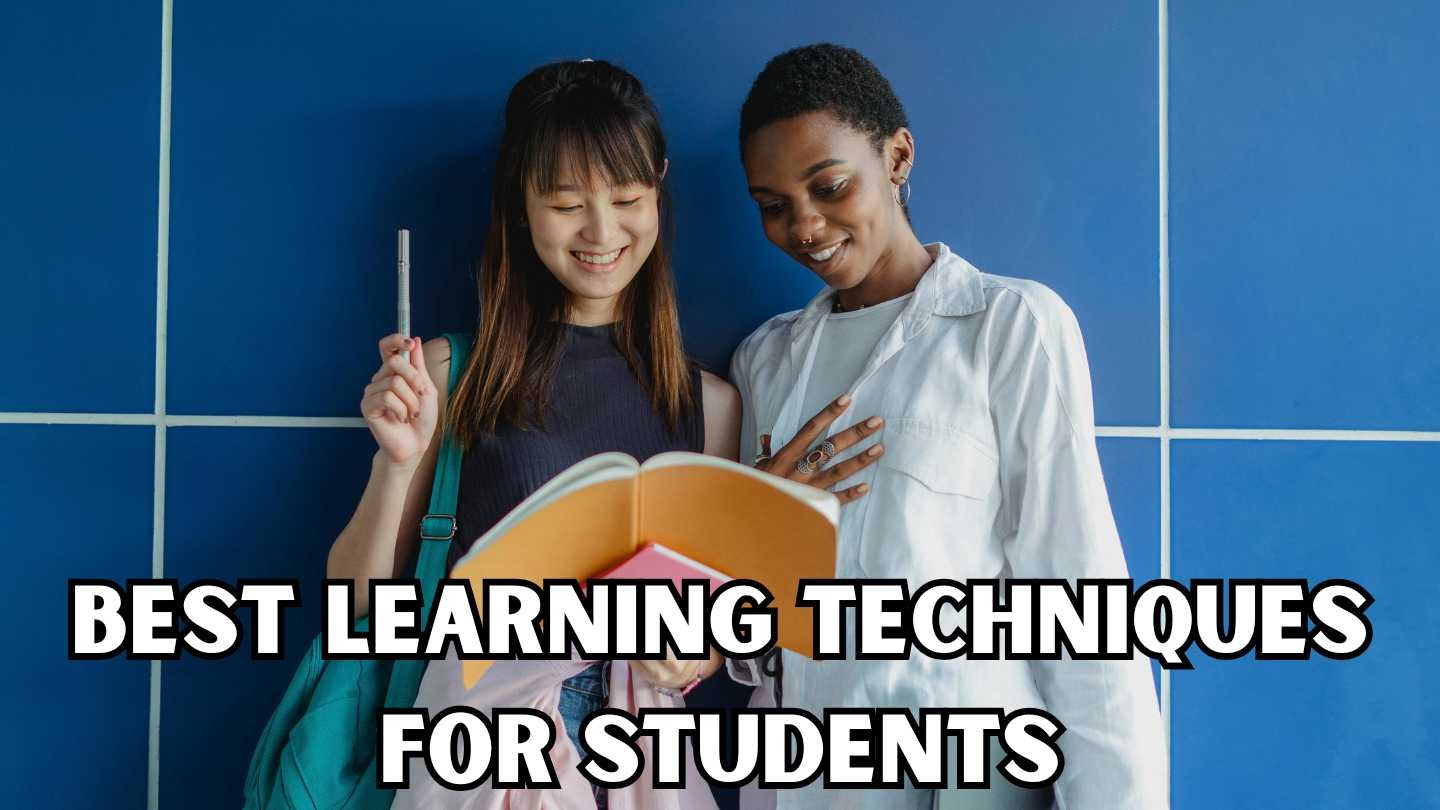
Discovering the best learning techniques for students can transform how knowledge is absorbed, retained, and applied. In today’s fast-paced academic environment, it’s essential to adopt methods that boost memory retention, enhance focus, and foster critical thinking.
This article explores practical approaches like active learning, spaced repetition, and mind mapping that help students study smarter, not harder. Additionally, we will highlight techniques to improve time management, note-taking skills, and problem-solving abilities, ensuring a balanced and effective learning experience.
Whether you’re preparing for exams, managing coursework, or aiming for long-term mastery, these strategies provide actionable insights to make studying more engaging and productive.
Understanding the Best Learning Techniques for Students
Learning is a dynamic process, and adopting the best learning techniques for students can significantly enhance academic performance. These strategies go beyond simple reading or memorization, focusing on methods that improve critical thinking, problem-solving skills, and long-term memory retention. By understanding how the brain processes and stores information, students can approach their studies in a more organized and efficient manner.
Importance of Effective Learning Techniques
Effective learning techniques are crucial because they:
1.Boost focus and concentration during study sessions
2.Improve memory retention for exams and practical application
3.Enhance time management and productivity
4.Foster active learning rather than passive reading
5.Support self-motivation and confidence in tackling complex subjects
Adopting these strategies helps students maximize study outcomes while reducing stress and inefficiency.
Key Features of the Best Learning Techniques
The best learning techniques for students share common features that make them effective:
Active Participation
Active learning requires students to engage with the material through discussion, teaching others, or applying concepts in real scenarios. This strengthens critical thinking and understanding.
Structured Practice
Techniques like spaced repetition and practice testing ensure information is reviewed at strategic intervals, enhancing long-term retention.
Visualization
Using mind maps, charts, and diagrams allows students to visualize connections between ideas, making complex concepts easier to grasp.
Personalized Learning
Tailoring study approaches according to individual learning styles, such as auditory, visual, or kinesthetic, increases efficiency and enjoyment.
Reflection and Feedback
Regular reflection and feedback help identify strengths and weaknesses, allowing students to adjust methods for optimal results.
Types of Learning Techniques
Cognitive Techniques
These involve mental processes such as memory, attention, and reasoning. Examples include:
1.Mnemonics for memory retention
2.Summarization to improve understanding
3.Spaced repetition for long-term recall
Behavioral Techniques
Behavioral strategies focus on habits and actions to reinforce learning:
1.Establishing a study schedule to enhance time management
2.Setting goals to maintain self-motivation
3.Using rewards to encourage consistent effort
Metacognitive Techniques
Metacognitive learning helps students monitor and regulate their own thinking process. Steps include:
1.Planning study sessions strategically
2.Monitoring progress during learning
3.Evaluating effectiveness of techniques applied
Benefits of Applying the Best Learning Techniques
Applying these techniques offers multiple advantages:
1.Enhanced academic performance and grades
2.Stronger problem-solving skills in various subjects
3.Reduced stress due to organized study routines
4.Improved critical thinking and decision-making
5.Lifelong learning skills applicable beyond school
These benefits collectively contribute to a more confident, capable, and self-directed learner.
Challenges and How to Overcome Them
While effective, implementing the best learning techniques for students can present challenges:
Common Challenges
1.Difficulty maintaining focus during long study sessions
2.Struggling to apply critical thinking in practical scenarios
3.Lack of motivation or inconsistent time management
Practical Solutions
1.Use short, timed study intervals like Pomodoro technique
2.Break complex topics into smaller sections
3.Track progress and reward achievements to stay motivated

Recommended Strategies for Students
To make the most of learning, students should:
1.Combine active learning with regular practice
2.Utilize mind mapping and visualization techniques
3.Apply spaced repetition for important concepts
4.Adapt methods to individual learning styles
5.Seek feedback and reflect on learning outcomes
By integrating these strategies, students can approach study sessions more effectively and efficiently, ensuring better comprehension and retention.
Use Cases and Examples
For instance, a student preparing for a science exam can:
1.Create mind maps for chapters
2.Use flashcards to review key terms daily
3.Teach difficult topics to peers to reinforce learning
4.Set timed goals to manage study hours
5.Regularly test themselves to monitor progress
These practical applications make the abstract idea of learning tangible and measurable.
Conclusion
Incorporating the best learning techniques for students can dramatically enhance academic performance and boost confidence. By focusing on active learning, spaced repetition, and mind mapping, students improve memory retention, critical thinking, and time management. Understanding and applying personalized learning strategies helps overcome challenges like distraction and inconsistent study habits.
These techniques not only support immediate academic success but also foster lifelong learning skills. Consistent practice, reflection, and feedback ensure students maximize their potential, making studying more efficient, productive, and rewarding. Adopting these methods can truly transform how students approach learning.