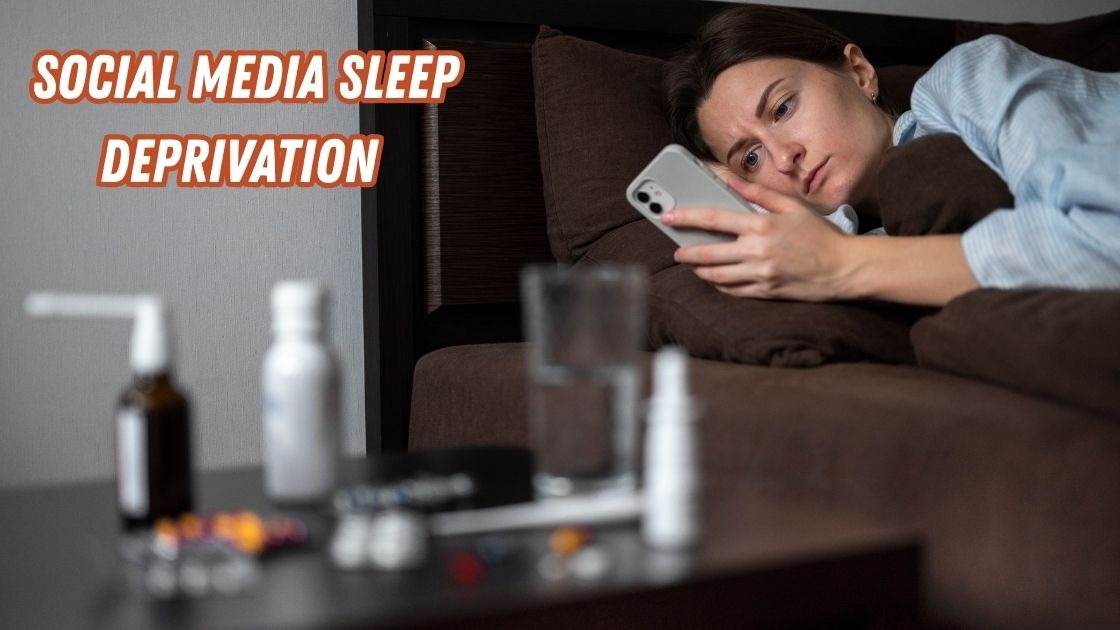
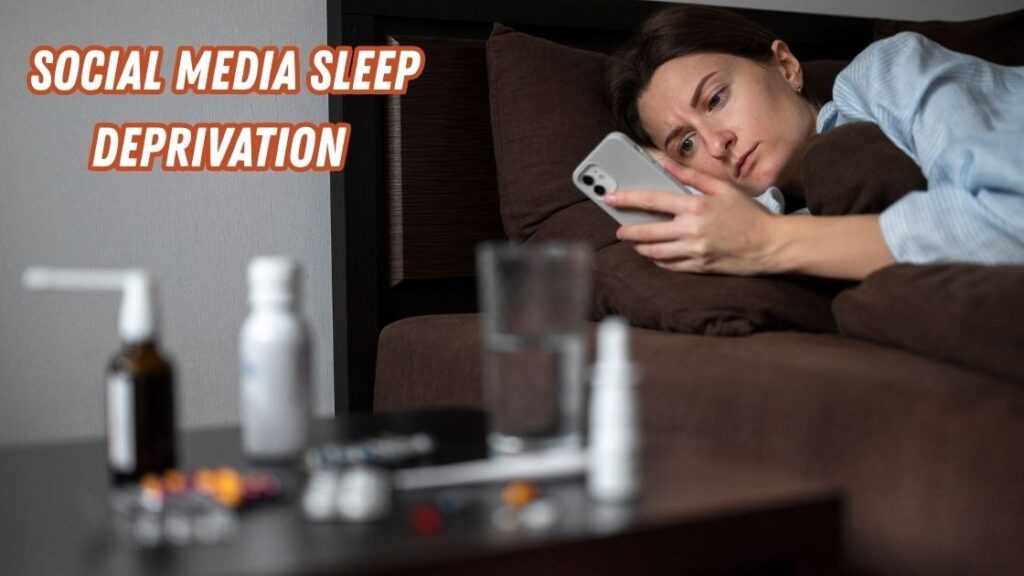
I never imagined that social media sleep deprivation would quietly destroy my well-being until I found myself exhausted, anxious, and unable to function normally. Like millions of others, I had developed a dangerous habit of endless scrolling before bed, convinced that a few more minutes on Instagram or TikTok wouldn’t hurt. What started as innocent late-night browsing gradually transformed into chronic insomnia, leaving me irritable and mentally foggy throughout the day.
In this article, I’ll share my personal struggle with screen time and poor sleep, how blue light exposure affected my circadian rhythm, and the phone addiction symptoms I experienced. More importantly, I’ll reveal the practical digital detox strategies and healthy sleep habits that finally helped me reclaim restful nights. If you’re battling similar nighttime scrolling habits, my journey might offer the guidance you need.
Understanding the Connection Between Social Media and Sleep Loss
Before I could fix my problem, I needed to understand why social media sleep deprivation was happening in the first place. The relationship between our devices and poor rest is more complex than simply staying up too late. When we engage with social platforms before bed, our brains receive constant stimulation that makes winding down nearly impossible.
The blue light emitted from smartphones suppresses melatonin production, the hormone responsible for regulating our sleep cycles. Additionally, the dopamine hits we receive from likes, comments, and new content keep our minds alert and craving more engagement. This combination creates a perfect storm for disrupted sleep patterns and chronic fatigue.
How Social Media Disrupts Your Natural Sleep Cycle
Our bodies follow a natural circadian rhythm that tells us when to feel awake and when to feel tired. Social media sleep deprivation interferes with this biological clock in several ways. The constant notifications create anxiety about missing out, while emotionally charged content can elevate stress hormones right before bed.
I discovered that my brain was essentially being tricked into thinking it was daytime whenever I scrolled through my feeds at night. The stimulating content combined with bright screen exposure sent confusing signals to my nervous system, making quality rest nearly impossible to achieve.
My Personal Experience with Nighttime Scrolling Habits
The Warning Signs I Ignored for Too Long
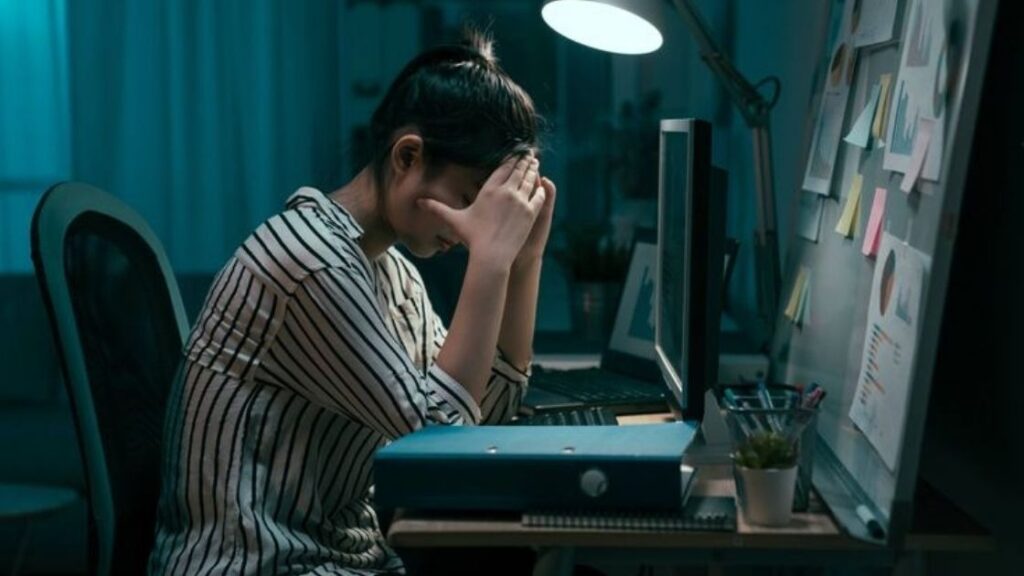
Looking back, the symptoms of social media sleep deprivation were obvious, but I kept dismissing them. I would wake up feeling unrested despite spending eight hours in bed. My concentration suffered at work, and I became increasingly dependent on caffeine just to function normally throughout the day.
The most alarming sign was my inability to fall asleep without my phone nearby. Even when exhausted, I would convince myself that checking notifications one more time would help me relax. This phone addiction behavior only worsened my insomnia and created a vicious cycle of sleep debt.
Physical and Mental Health Consequences I Experienced
The effects of chronic sleep loss extended far beyond feeling tired. My immune system weakened, causing frequent colds and infections. I noticed significant changes in my mood, experiencing heightened anxiety and periods of unexplained sadness. Social media sleep deprivation was literally making me sick.
Impact on Daily Functioning
My productivity plummeted as brain fog became my constant companion. Simple tasks required enormous effort, and my memory became unreliable. Relationships suffered because I was too exhausted to engage meaningfully with friends and family. The quality of my life had deteriorated significantly without me fully realizing the cause.
The Turning Point and What Finally Helped Me Recover
After months of struggling, I decided to take control of my digital wellness and address my social media sleep deprivation head on. The transformation didn’t happen overnight, but implementing specific strategies gradually restored my ability to sleep soundly.
Effective Digital Detox Strategies That Actually Work
I began by establishing firm boundaries around my screen time, particularly in the evening hours. Creating a technology free bedroom became essential for breaking the association between my sleeping space and endless scrolling. These changes required discipline but produced remarkable results.
Here are the five strategies that made the biggest difference in my recovery:
- Setting a strict phone curfew two hours before my intended bedtime each night
- Replacing evening scrolling with relaxing activities like reading physical books or journaling
- Using app timers to limit daily social media usage to specific windows
- Enabling night mode and blue light filters on all my devices
- Keeping my phone charging station outside the bedroom permanently
Building Healthy Sleep Habits for Long Term Success
Overcoming social media sleep deprivation required more than just limiting screen time. I needed to rebuild my entire approach to rest and establish consistent sleep hygiene practices. Creating a calming bedtime routine helped signal to my body that sleep was approaching.
The following habits became non negotiable parts of my nightly routine:
- Sticking to the same bedtime and morning alarm every day including weekends
- Practicing relaxation techniques like deep breathing before bed
- Keeping my bedroom cool, dark, and quiet for optimal rest
- Avoiding caffeine and heavy meals in the evening hours
- Engaging in regular physical exercise earlier in the day
These combined efforts finally broke the grip that social media sleep deprivation had on my life. Within weeks, I was falling asleep faster, staying asleep longer, and waking up genuinely refreshed.
Conclusion
My journey through social media sleep deprivation taught me that our digital habits profoundly impact our physical and mental health. Breaking free from late night scrolling wasn’t easy, but the rewards of quality sleep transformed every aspect of my life. By implementing a digital detox, establishing screen time boundaries, and prioritizing healthy sleep hygiene, I finally escaped the exhausting cycle of insomnia and fatigue.
If you’re struggling with social media sleep deprivation, know that recovery is absolutely possible. Start small, stay consistent, and remember that your well being matters more than any notification. Your body deserves restful nights and energized mornings.