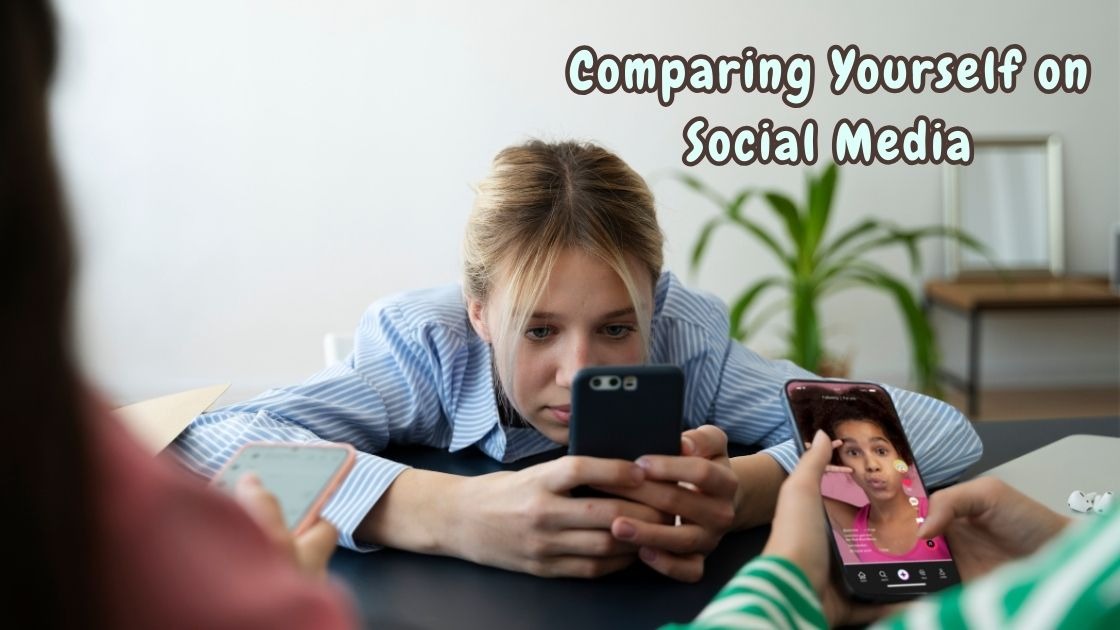
In an era of endless scrolling, comparing yourself on social media has become a silent thief of joy, often leaving us feeling inadequate against a backdrop of filtered perfection. We frequently find ourselves trapped in a loop of toxic comparison, measuring our behind-the-scenes struggles against someone else’s curated highlight reel. This behavior doesn’t just hurt your mood; it creates a significant digital burnout that stalls your personal development.
This article explores how this habit erodes your self-esteem and disrupts your mental health journey. By identifying the triggers of online envy, we can begin to cultivate a healthier digital well-being strategy. Join us as we uncover practical ways to break this cycle and reclaim your focus for genuine, offline success.
The Psychology Behind Comparing Yourself on Social Media
To understand why comparing yourself on social media feels so draining, we must look at the psychological concept of social comparison theory. Humans are hardwired to evaluate their own worth by looking at others. In the past, we compared ourselves to our immediate neighbors. Today, we compare our average Tuesday mornings to the global elite’s luxury vacations. This creates a distorted reality where our normal lives feel “less than” because we are viewing a skewed data set.
The digital world acts as a giant mirror that only reflects perfection. When you spend hours comparing yourself on social media, your brain struggles to differentiate between a curated advertisement and a peer’s genuine reality. This constant influx of high-glamour imagery triggers the brain’s threat response, making us feel socially inferior. Understanding this mechanism is the first step toward breaking the habit and protecting your internal peace.
Why This Habit Stalls Your Personal Growth
When you are busy comparing yourself on social media, you are essentially looking backward or sideways instead of forward. Growth requires focus and energy, both of which are depleted when you obsess over someone else’s milestones. Instead of honing your own skills or celebrating your unique progress, you become paralyzed by the fear that you are “falling behind.”
The Illusion of the Highlight Reel
Most users only share their greatest hits. When you engage in comparing yourself on social media, you are comparing your messy internal thoughts to someone else’s polished external image. This creates an unfair advantage that you can never win. This illusion leads to a lack of motivation because the gap between your reality and their digital persona feels impossible to bridge.
Distraction from Authentic Goals
Constant digital monitoring shifts your “why.” Instead of pursuing goals that make you happy, you start pursuing goals that look good in a photo. This shift toward external validation is a primary reason why comparing yourself on social media ruins long-term growth. You lose touch with your authentic desires and start chasing a life that belongs to someone else.
The Impact on Mental Health and Digital Well-being
The link between comparing yourself on social media and declining mental health is well-documented. Persistent comparison leads to increased rates of anxiety and loneliness. Even though these platforms are designed to connect us, they often leave us feeling more isolated because the “connection” is based on performance rather than vulnerability.
Identifying the Symptoms of Digital Burnout
- Feeling a sense of dread or inadequacy immediately after closing an app.
- Checking your notifications compulsively to see if your life “measures up.”
- Experiencing physical tension or a “sinking feeling” while scrolling through feeds.
- Losing interest in your own hobbies because they don’t seem “Instagram-worthy.”
- Struggling with sleep disturbances caused by late-night scrolling and envy.
Strategic Steps to Break the Comparison Cycle
Overcoming the urge of comparing yourself on social media requires a proactive approach to your digital habits. It is not about quitting the internet entirely but about changing the way you interact with it. By setting firm boundaries, you can ensure that your time online is inspiring rather than demoralizing.
Curating Your Digital Environment
Your feed dictates your mood. If you find that comparing yourself on social media is becoming a daily struggle, it is time for a digital audit. Unfollow accounts that make you feel poorly about your body, your bank account, or your lifestyle. Replace them with accounts that provide educational value, humor, or genuine inspiration that aligns with your real-world values.
Practical Tips for a Healthier Feed
- Unfollow influencers who promote unattainable or edited beauty standards.
- Mute “friends” whose posts consistently trigger feelings of personal inadequacy.
- Follow creators who share the “behind-the-scenes” reality of their work.
- Set a strict time limit for apps known for high-pressure visual content.
- Engage more with community-based groups rather than individual profiles.
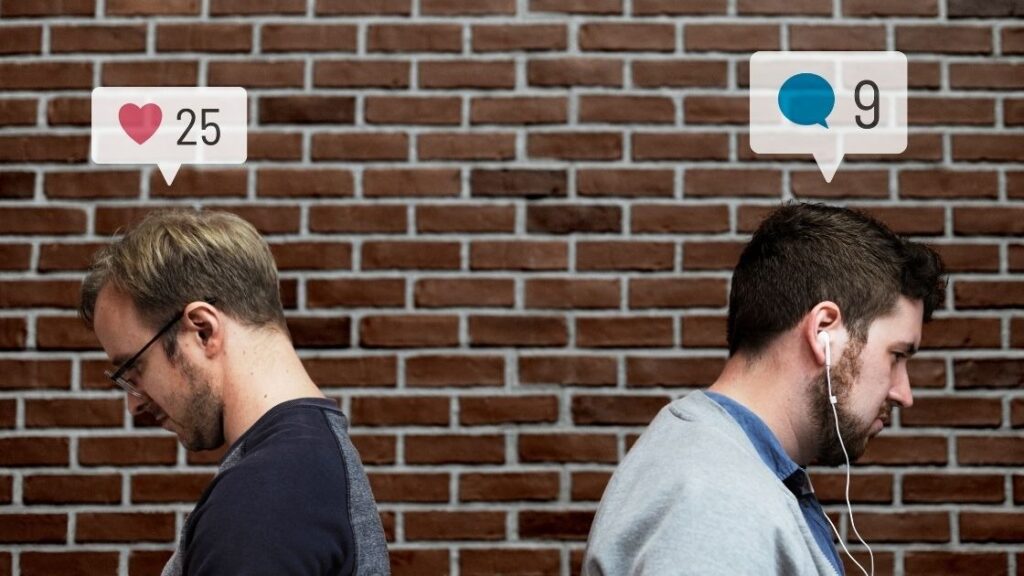
Cultivating Contentment in a Hyper-Connected World
The ultimate antidote to comparing yourself on social media is the practice of gratitude. When you focus on what you have, the desire for what others possess naturally fades. Building a life you love offline makes the digital world feel much less significant. Growth happens in the quiet moments of hard work, not in the noisy space of public validation.
Embracing Your Unique Timeline
Everyone’s path is different. By comparing yourself on social media, you ignore the unique challenges and triumphs that have shaped your own character. Remember that social media is a platform for performance, not a metric for human value. Reclaiming your mental peace starts the moment you stop looking at other people’s screens and start looking at your own potential.
The Importance of Offline Connection
Prioritizing face-to-face interactions helps ground you in reality. When you talk to people in person, you see their flaws and hear about their struggles, which humanizes them. This reality check is the best way to stop comparing yourself on social media because it reminds you that everyone is dealing with something, regardless of how perfect their profile looks.
Conclusion
Ultimately, comparing yourself on social media is a habit that can be unlearned with intentionality and self-compassion. Throughout this article, we explored how the illusion of perfection erodes your mental peace and prevents authentic personal development. By prioritizing your digital well-being and setting boundaries against online envy, you can protect your self-esteem from the pitfalls of curated highlight reels. Remember that your worth is not defined by an algorithm. Stop comparing yourself on social media today to reclaim your focus, embrace your unique journey, and foster a more fulfilling, grounded lifestyle.