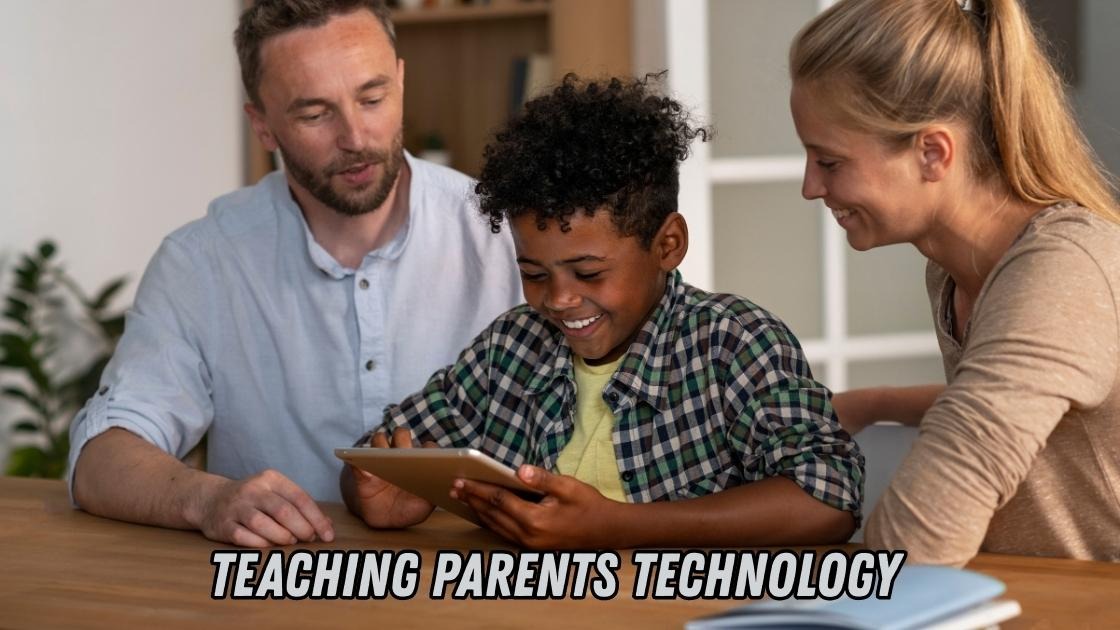
Teaching parents technology can feel like navigating uncharted waters, yet millions of adult children have discovered it’s one of the most rewarding experiences they’ll ever have. Whether you’re helping mom master video calls or guiding dad through smartphone basics, you’re not alone in this journey.
This article shares genuine success stories from people just like you who transformed their parents from tech-hesitant to digitally confident. You’ll discover practical digital literacy tips, patience-building strategies, and step-by-step approaches that actually work. From senior-friendly apps to effective communication techniques, these real-world experiences prove that bridging the generational tech gap is absolutely possible.
Get ready to learn from others who’ve walked this path and emerged with stronger family bonds and tech-savvy parents who now FaceTime the grandkids without asking for help.
Understanding the Challenge of Teaching Parents Technology
Every generation experiences technology differently, and this gap often creates communication barriers within families. When adult children take on the role of tech educators for their parents, they step into a unique position that requires patience, empathy, and clear communication skills.
The digital divide between generations isn’t about intelligence or capability. Parents who built successful careers and raised families simply grew up in an era where rotary phones and handwritten letters were standard. Today’s touchscreens, cloud storage, and social media platforms represent an entirely foreign landscape for many seniors.
Why This Matters for Family Connections
Modern communication relies heavily on digital tools. Video calling apps, messaging platforms, and social media have become primary ways families stay connected. When parents lack these digital skills, they risk isolation from grandchildren, friends, and essential services that have moved online.
Teaching parents technology bridges this gap and opens doors to telehealth appointments, online banking, and virtual family gatherings. The benefits extend far beyond convenience into genuine quality of life improvements.
Real Success Stories From Adult Children
Sarah’s Journey With Her 72 Year Old Mother
Sarah spent three frustrating months trying to teach her mother basic smartphone functions. The breakthrough came when she stopped treating lessons like technical training and started framing everything around her mother’s interests.
Her mother loved gardening, so Sarah introduced apps for plant identification and gardening communities. Within weeks, her mother was independently downloading apps and sharing photos with garden club friends. Teaching parents technology worked because Sarah connected digital tools to existing passions.
Michael’s Patient Approach With Both Parents
Michael faced a double challenge when both parents needed help simultaneously. His father resisted technology entirely while his mother felt overwhelmed by too much information at once.
What Made Michael Successful
Michael created simple one page guides with screenshots for common tasks. He laminated these sheets and left them near his parents’ devices. This approach to teaching parents technology gave them reference materials they could use independently without feeling embarrassed to ask for help repeatedly.
Jennifer’s Remote Teaching Experience
Living across the country from her parents, Jennifer had to teach tech skills entirely through video calls. She discovered that screen sharing features became her greatest tool.
Jennifer would share her own screen while demonstrating steps, then have her parents share theirs while practicing. This method of teaching parents technology remotely required extra patience but proved surprisingly effective.
Proven Strategies That Work
Start With Their Motivation
Understanding why your parents want to learn determines everything else. Common motivations include:
- Staying connected with grandchildren through video calls and photo sharing
- Managing health through telehealth appointments and medication reminders
- Maintaining independence with online shopping and banking services
- Pursuing hobbies through YouTube tutorials and interest based communities
- Feeling less left out during family conversations about digital topics
Create a Judgment Free Learning Environment
Parents often feel embarrassed about their lack of digital knowledge. Successful adult children consistently report that removing judgment accelerates the learning process dramatically.
Never grab the device from their hands to do it yourself. Guide them verbally while they maintain control. This builds muscle memory and confidence simultaneously when teaching parents technology effectively.
Use Familiar Comparisons
Explaining new concepts through familiar frameworks helps parents understand faster. Compare email to traditional mail, cloud storage to filing cabinets, and apps to specialized tools in a toolbox.
Common Challenges and How to Overcome Them
Fear of Breaking Something
Many parents avoid exploring technology because they fear causing permanent damage. Reassure them that most actions are reversible and that devices are more resilient than they appear.
Information Overload
Avoid teaching multiple concepts in single sessions. Focus on one skill until comfortable before introducing new material. Short fifteen minute sessions often prove more productive than hour long marathons.
Different Learning Paces
Some parents grasp concepts quickly while others need extensive repetition. Adjust your expectations and celebrate small victories. Progress matters more than speed when teaching parents technology successfully.

Building Long Term Digital Confidence
The ultimate goal extends beyond individual tasks to building genuine technological independence. Parents who develop confidence will explore new features independently and troubleshoot minor issues themselves.
Regular check ins maintain momentum without overwhelming. Weekly video calls that casually incorporate tech questions keep skills fresh and demonstrate ongoing support for their digital journey.
Conclusion
Teaching parents technology transforms challenging moments into meaningful opportunities for connection and growth. The success stories shared here prove that patience, personalized approaches, and judgment free environments make all the difference in bridging the generational digital divide.
Remember that every small victory matters, from mastering video calls to confidently navigating smartphone basics. Your dedication to teaching parents technology strengthens family bonds while empowering seniors to embrace digital independence. Start with their interests, celebrate progress over perfection, and maintain consistent support. The reward of seeing your parents thrive in today’s connected world makes every effort worthwhile.