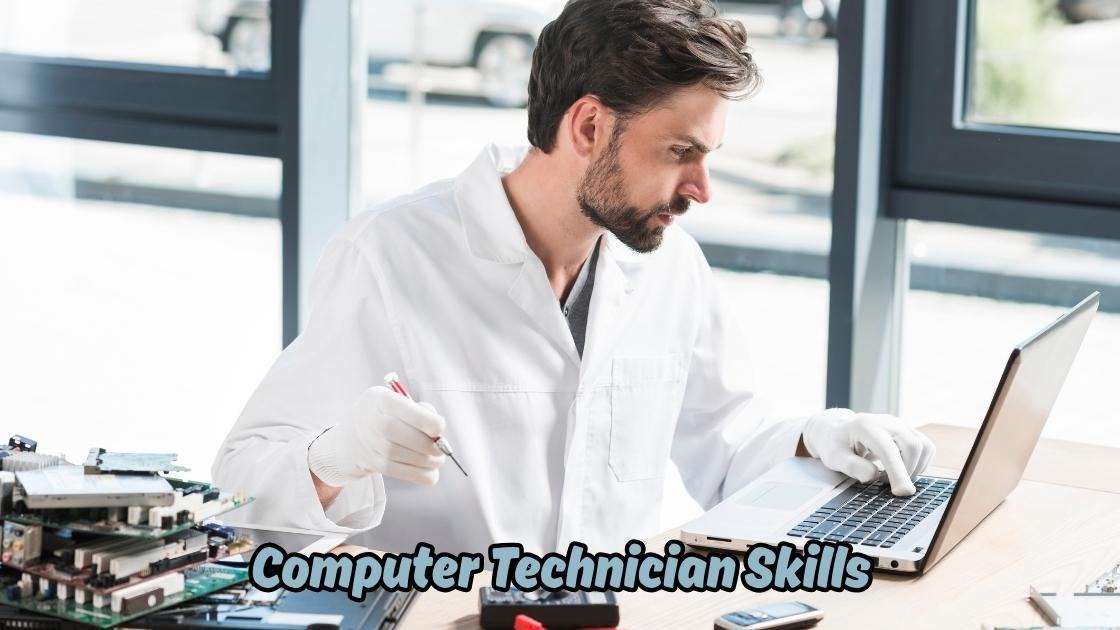
Landing a rewarding career in IT starts with developing the right computer technician skills that hiring managers actively seek. The technology landscape evolves rapidly, and businesses need professionals who can troubleshoot hardware issues, maintain networks, and keep systems running smoothly. Whether you’re just starting your IT career or looking to advance into senior technical roles, understanding what employers value most gives you a competitive edge.
This comprehensive guide explores the essential technical abilities, soft skills, and certifications that separate successful candidates from the rest. You’ll discover which hardware and software competencies matter most, why problem-solving abilities are non-negotiable, and how customer service skills impact your employability. We’ll also cover network troubleshooting, operating system expertise, and the professional qualities that lead to long-term career growth in this dynamic field.
Understanding the Role of a Computer Technician
A computer technician serves as the backbone of any organization’s IT infrastructure. These professionals diagnose, repair, and maintain computer systems, ensuring minimal downtime and maximum productivity. The demand for skilled technicians continues to grow as businesses rely more heavily on technology for daily operations.
Modern computer technician skills extend far beyond simple hardware repairs. Today’s technicians must understand cloud computing basics, cybersecurity fundamentals, and remote support tools. Companies seek versatile professionals who adapt quickly to emerging technologies while maintaining expertise in foundational IT concepts.
Why These Skills Matter in Today’s Job Market
Employers invest significantly in hiring technicians who reduce operational disruptions. A technician with strong diagnostic abilities saves companies thousands in potential losses from system failures. Your skill set directly impacts business continuity, making you invaluable to any organization.
Essential Technical Competencies Every Technician Needs
Hardware Troubleshooting and Repair
Mastering hardware components remains fundamental among computer technician skills that employers prioritize. You must understand motherboards, processors, RAM, storage devices, and peripheral equipment. Diagnosing faulty components quickly requires hands-on experience and systematic testing approaches.
Building and upgrading desktop systems demonstrates practical expertise. Employers value technicians who can assess hardware failures accurately without unnecessary part replacements. This competency saves money and builds trust with clients and management alike.
Operating System Proficiency
Working confidently across multiple operating systems distinguishes exceptional technicians from average candidates. Windows environments dominate corporate settings, making Windows 10 and Windows 11 expertise essential. However, Linux knowledge opens doors to server administration roles and specialized positions.
Understanding macOS expands your employability, particularly in creative industries and educational institutions. Each operating system requires specific troubleshooting approaches, installation procedures, and configuration techniques that employers expect you to handle independently.
Network Fundamentals and Connectivity
Strong computer technician skills include comprehensive networking knowledge. You should understand TCP/IP protocols, DNS configuration, DHCP settings, and basic router management. Troubleshooting connectivity issues represents a daily responsibility for most technicians.
Setting up wired and wireless networks requires both theoretical understanding and practical application. Employers appreciate technicians who resolve network problems efficiently while documenting solutions for future reference.
Soft Skills That Complement Technical Abilities
Communication and Customer Service
Technical expertise alone doesn’t guarantee success in this field. Explaining complex problems in simple terms helps users understand issues without feeling overwhelmed. Your ability to communicate effectively builds rapport with colleagues and clients.
Patience proves essential when assisting frustrated users experiencing technical difficulties. Remaining calm under pressure while providing clear guidance demonstrates professionalism that employers actively seek.
Problem Solving and Critical Thinking
Every technical issue presents a unique puzzle requiring analytical thinking. Developing systematic troubleshooting methodologies helps you identify root causes rather than just treating symptoms. Employers value technicians who think critically and approach problems logically.
Computer technician skills must include creative problem solving when standard solutions fail. Thinking outside conventional approaches often resolves stubborn issues that baffle less experienced professionals.
Certifications That Boost Your Employability
Professional certifications validate your computer technician skills and demonstrate commitment to career development. Consider pursuing these industry recognized credentials:
- CompTIA A+ certification covers essential hardware and software fundamentals
- CompTIA Network+ validates networking knowledge and troubleshooting abilities
- Microsoft certifications prove Windows environment expertise
- CompTIA Security+ addresses growing cybersecurity demands
- Cisco certifications enhance networking career opportunities
Continuing Education and Skill Development
Technology evolves constantly, requiring ongoing learning throughout your career. Attending workshops, completing online courses, and practicing with new systems keeps your computer technician skills current. Employers favor candidates who demonstrate continuous improvement habits.
Practical Tips for Developing Your Expertise
Building strong computer technician skills requires deliberate practice and real world experience. Consider these recommendations:
- Volunteer for IT support at local nonprofits to gain hands-on experience
- Build a home lab for experimenting with different hardware configurations
- Join online communities where technicians share troubleshooting strategies
- Shadow experienced professionals to learn efficient workflow practices
- Document every problem you solve to create personal reference materials
Staying Current With Industry Trends
Following technology news helps you anticipate skill requirements before they become mandatory. Understanding emerging technologies like artificial intelligence integration and advanced automation prepares you for future job market demands. Employers recognize technicians who stay ahead of industry changes.
Your computer technician skills portfolio should balance foundational knowledge with awareness of cutting edge developments. This combination positions you as both reliable and forward thinking, qualities every employer values highly.
Conclusion
Building strong computer technician skills opens doors to rewarding career opportunities in the ever growing IT industry. From hardware troubleshooting and operating system proficiency to networking fundamentals and customer service abilities, each competency contributes to your professional value. Employers seek technicians who combine technical expertise with problem solving capabilities and effective communication.
Investing in certifications like CompTIA A+ and Network+ validates your knowledge while demonstrating dedication to continuous learning. As technology advances, keeping your computer technician skills updated ensures long term career success. Start developing these essential abilities today and position yourself as the candidate employers actively want to hire.