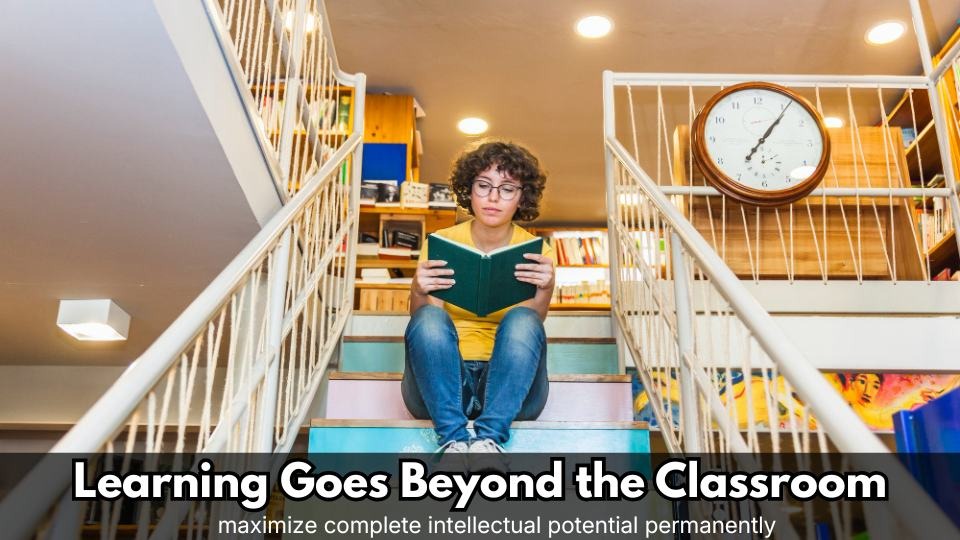
True learning goes beyond the classroom into experiences, environments, and opportunities that traditional schooling simply cannot provide alone. Those four walls and standardized tests? They capture merely a fraction of genuine human knowledge acquisition.
Here is what educational research consistently demonstrates.
Students achieving exceptional success share one defining characteristic: they embrace knowledge acquisition everywhere life presents opportunities. Learning goes beyond the classroom when curiosity drives exploration across multiple contexts and experiences daily.
This comprehensive guide delivers data driven insights from certified educational psychologists who transform student outcomes through innovative methodologies. You will discover powerful holistic learning approaches, effective experiential education techniques, and cognitive development strategies backed by neuroscience.
We will explore informal learning environments, examine skill based education frameworks, and reveal student centered methodologies that produce lasting academic excellence. Understanding how learning goes beyond the classroom empowers educators, parents, and students to maximize complete intellectual potential permanently.
The Science Behind Knowledge Acquisition Outside Schools
Cognitive neuroscience has revolutionized our understanding of how human brains absorb and retain information effectively. Research demonstrates that diverse environmental stimuli create stronger neural connections than repetitive single context exposure. Learning goes beyond the classroom because brains require varied experiences for optimal development.
Traditional educational models emerged during industrial eras prioritizing uniformity over individual cognitive development needs. Factory style schooling produced compliant workers but limited creative thinking and adaptive problem solving capabilities. Modern workforce demands expose these outdated approaches as insufficient for contemporary success requirements.
Educational psychologists now recognize that knowledge transfer between contexts strengthens understanding significantly. Students who encounter concepts across multiple environments demonstrate superior application abilities compared to classroom only learners. This scientific foundation supports holistic learning approaches gaining momentum worldwide.
Experiential Education Techniques That Produce Results
Direct engagement with real world challenges accelerates skill development impossible to achieve through passive instruction alone. Students who participate in hands on projects retain information significantly longer than those receiving lecture based education exclusively. Experiential education techniques transform theoretical knowledge into practical competencies.
Internship programs connect academic concepts with professional applications revealing relevance students struggle to perceive otherwise. Witnessing how classroom theories function within actual workplace environments motivates deeper engagement with learning materials. Learning goes beyond the classroom when students understand genuine applications of their studies.
Field experiences expose learners to complexities textbooks cannot adequately capture or communicate. Environmental science students visiting ecosystems develop understanding surpassing any laboratory simulation possibilities. This immersive exposure creates lasting impressions shaping career trajectories and personal interests permanently.
Outdoor Education and Nature Based Learning
Natural environments provide unique cognitive benefits supporting attention restoration and stress reduction simultaneously. Students learning outdoors demonstrate improved focus, creativity, and emotional regulation compared to indoor only counterparts. These settings offer educational opportunities impossible to replicate within traditional school buildings.
Adventure based programs develop resilience, teamwork, and problem solving through challenging physical experiences. Overcoming obstacles in wilderness settings builds confidence transferable to academic and professional challenges. Learning goes beyond the classroom into natural spaces offering transformative growth opportunities.
Travel and Cultural Immersion Benefits
Experiencing different cultures expands worldview perspectives essential for success in globalized economies. Students who travel develop cultural intelligence, adaptability, and communication skills valued increasingly by employers worldwide. International exposure creates open minded individuals capable of navigating diverse professional environments.
Language acquisition accelerates dramatically through immersion compared to classroom instruction alone. Living within communities speaking target languages forces practical application developing fluency rapidly. Cognitive development strategies include intentional travel experiences maximizing educational outcomes.
Technology Enabled Learning Environments
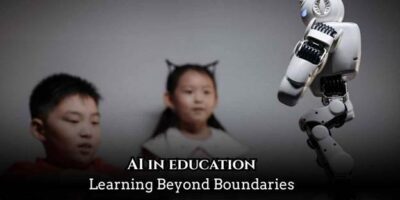
Digital platforms have democratized knowledge access enabling learning anywhere with internet connectivity. Students can study subjects unavailable at local institutions through online courses from prestigious universities globally. Learning goes beyond the classroom into virtual spaces offering unprecedented educational opportunities.
Educational applications provide personalized learning pathways adapting to individual student needs and progress rates. Artificial intelligence algorithms identify knowledge gaps and recommend targeted content addressing specific weaknesses efficiently. This customization surpasses one size fits all classroom approaches significantly.
Consider these technology enhanced learning strategies that certified educators recommend implementing consistently:
- Utilize educational platforms offering structured courses with certificates validating competencies acquired
- Subscribe to academic podcasts covering subjects aligned with personal and professional development goals
- Join online learning communities connecting students globally for collaboration and discussion opportunities
- Access virtual museum tours and documentary content expanding cultural and historical knowledge bases
- Engage with simulation software providing practical experience in fields requiring hands on training
Family Environments as Learning Laboratories
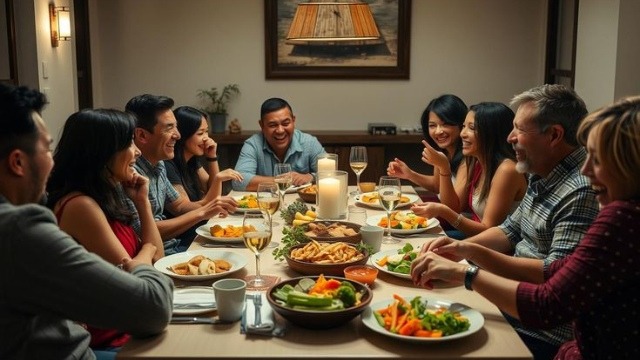
Home settings provide continuous informal education through daily interactions and shared experiences naturally. Parents modeling intellectual curiosity and lifelong learning attitudes shape children’s educational trajectories profoundly. Learning goes beyond the classroom into family environments nurturing growth mindsets.
Dinner conversations exploring current events develop critical thinking and articulate communication capabilities organically. Children observing adults analyzing information and forming reasoned opinions internalize these cognitive processes naturally. Student centered methodologies recognize family influence on educational outcomes.
Peer Collaboration and Social Learning
Study groups leverage collective intelligence exceeding individual learning capabilities through collaborative effort. Explaining concepts to peers solidifies personal understanding while identifying knowledge gaps requiring additional attention. Social learning environments complement formal education effectively.
Diverse peer networks expose students to varied perspectives and problem solving approaches expanding cognitive flexibility. Encountering different viewpoints builds adaptable thinking applicable across multiple academic and professional contexts. Learning goes beyond the classroom through intentional peer relationship cultivation.
Mentorship Relationships Accelerating Development
Experienced mentors provide personalized guidance impossible to receive through standardized classroom instruction alone. These relationships offer accountability, wisdom, and networking opportunities accelerating career readiness significantly. Finding mentors in areas of interest transforms educational journeys permanently.
Professional mentors share industry insights revealing pathways between academic preparation and career success. Their practical wisdom accumulated through years of experience supplements theoretical knowledge with real world understanding. Learning goes beyond the classroom when mentorship relationships flourish meaningfully.
Developing Autonomous Lifelong Learners
Self directed learning capabilities distinguish successful individuals in rapidly changing professional landscapes continuously. Students who identify knowledge gaps and seek solutions independently demonstrate valuable adaptive abilities. Skill based education prioritizes developing these autonomous learning competencies.
Setting personal learning goals, identifying appropriate resources, and evaluating progress builds metacognitive awareness supporting continuous improvement. These executive function capabilities serve learners throughout entire lifetimes regardless of formal educational attainment levels. Cultivating self direction creates individuals who never stop growing intellectually and professionally.
Conclusion:
Maximizing human potential requires embracing knowledge acquisition opportunities extending far beyond traditional institutional settings. Throughout this guide, certified educational psychologists have shared data driven strategies covering experiential education techniques, technology enabled platforms, family environments, and mentorship relationships that transform student achievement permanently.
Understanding that learning goes beyond the classroom empowers educators, parents, and students to cultivate holistic development approaches. Cognitive development strategies, outdoor education, and peer collaboration build capabilities impossible to develop through standardized instruction alone.
Start implementing one approach today. Whether pursuing online courses, seeking mentorship connections, or creating intentional family learning experiences, every effort compounds meaningfully. Recognizing that learning goes beyond the classroom unlocks lifelong educational success and continuous personal growth.