Pursuing real life education separates individuals who merely accumulate certificates from those who develop genuine capabilities transforming careers and lives permanently. Those memorized facts and passed examinations? They represent only surface level learning lacking practical application value.
Educational neuroscientists have discovered that authentic knowledge acquisition requires experiences connecting theory with tangible real world applications directly. Real life education builds neural pathways supporting problem solving, critical thinking, and adaptive capabilities that standardized testing never measures.
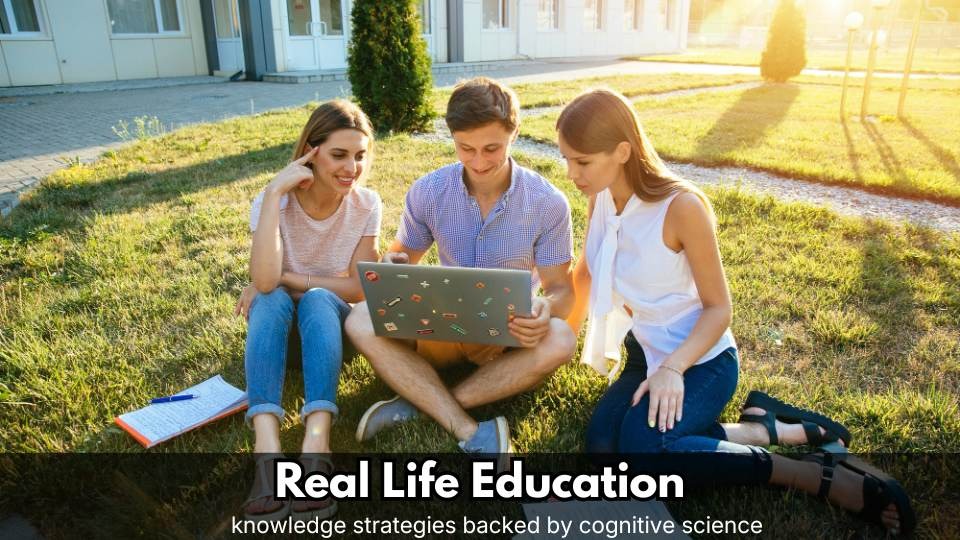
This comprehensive guide presents research validated insights from certified learning specialists who transform students into practical problem solvers professionally. You will discover powerful experiential learning methods, effective hands on skill development techniques, and applied knowledge strategies backed by cognitive science.
We will explore practical wisdom acquisition, examine competency based education frameworks, and reveal workplace readiness approaches that produce exceptional outcomes. Understanding real life education empowers learners to develop capabilities that genuinely matter throughout their entire professional journeys.
Understanding Authentic Knowledge Development
Genuine learning extends far beyond memorizing information for examination purposes into developing applicable capabilities serving learners throughout entire lifetimes. Educational neuroscientists define authentic knowledge as understanding that transfers successfully across multiple contexts and situations. Real education focuses on building these transferable competencies rather than accumulating isolated facts.
Traditional schooling emerged during industrial periods prioritizing standardized outputs over individual cognitive development needs. This factory model produced graduates who could follow instructions but struggled with novel problem solving challenges. Contemporary professional environments demand adaptive thinking that outdated educational approaches fail to develop adequately.
Brain research reveals that knowledge acquired through passive reception creates weaker neural connections than actively constructed understanding. Students who engage with material through application and experimentation develop robust cognitive frameworks supporting lasting retention. This scientific foundation validates experiential learning methods gaining recognition worldwide.
The Neuroscience Behind Practical Learning
Human brains encode information more effectively when emotional engagement and physical activity accompany cognitive processing simultaneously. Multisensory experiences create multiple memory pathways increasing retrieval probability significantly compared to lecture based instruction alone. Real life education leverages these neurological principles for superior outcomes.
Stress hormones released during challenging real world experiences enhance memory consolidation for related learning content. Students who face authentic problems develop stronger recall for solutions compared to those studying identical material abstractly. This biological mechanism explains why hands-on skill development produces lasting competencies.
Mirror neurons activate when learners observe experts performing skills they seek to acquire personally. This neurological process supports apprenticeship models where novices learn through watching and imitating experienced practitioners. Applied knowledge strategies incorporate observational learning alongside direct practice opportunities.
Cognitive Load and Practical Application
Working memory limitations restrict how much new information learners can process simultaneously during instruction. Real life education distributes cognitive load across visual, auditory, and kinesthetic channels reducing overwhelm while enhancing retention. This balanced approach respects brain architecture for optimal learning outcomes.
Chunking complex skills into manageable components allows progressive mastery without overwhelming cognitive resources. Learners build competency through sequential skill acquisition rather than attempting everything simultaneously. Competency based education frameworks incorporate this graduated approach systematically.
Memory Consolidation Through Experience
Sleep plays crucial roles in transferring daily learning from short term to long term memory storage permanently. Students who practice skills before sleep demonstrate superior retention compared to those practicing at other times. Understanding these consolidation processes optimizes learning schedule design.
Spaced repetition across multiple sessions strengthens memory traces more effectively than concentrated single session practice. Real life education incorporates distributed practice opportunities reinforcing learning over extended timeframes. This approach produces durable knowledge surviving years beyond initial acquisition.
Developing Workplace Readiness Capabilities
Employers consistently report gaps between academic preparation and practical job performance expectations. Graduates often possess theoretical knowledge but lack capabilities to apply learning within professional contexts effectively. Real life education bridges this concerning disconnect through intentional practical preparation.
Communication skills including presentation, negotiation, and written correspondence require practice opportunities rarely available in traditional classroom settings. These interpersonal capabilities frequently determine career advancement more than technical knowledge alone. Workplace readiness approaches prioritize developing these essential soft skills.
Consider these practical competencies that certified educators identify as essential for professional success:
- Problem solving abilities enabling creative solutions when facing novel challenges without prescribed answers
- Collaborative skills supporting effective teamwork across diverse groups with varying perspectives
- Adaptability allowing rapid adjustment when circumstances change unexpectedly in professional environments
- Time management capabilities balancing multiple responsibilities and competing deadline pressures simultaneously
- Emotional intelligence enabling navigation of complex interpersonal dynamics within workplace relationships
Experiential Learning Methods That Transform Outcomes
Internship programs connect academic concepts with professional applications revealing relevance students struggle perceiving otherwise. Observing how theoretical knowledge functions within actual workplace environments motivates deeper engagement with learning materials. Real life education thrives when students witness genuine applications directly.
Service learning combines community contribution with educational objectives creating meaningful experiences benefiting everyone involved. Students develop practical skills while addressing authentic community needs requiring creative problem solving. This approach builds civic responsibility alongside professional competencies simultaneously.

Project Based Learning Frameworks
Authentic projects requiring research, planning, execution, and evaluation develop comprehensive skill sets transferable across domains. Students managing genuine projects encounter challenges impossible to simulate through traditional instruction methods alone. These experiences build confidence alongside practical capabilities.
Failure within project contexts provides invaluable learning opportunities unavailable through conventional assessment approaches. Students who experience setbacks and recover develop resilience essential for professional success. Real life education embraces productive failure as crucial developmental experience.
Mentorship and Apprenticeship Models
Experienced practitioners sharing wisdom with emerging learners perpetuate practical knowledge across generations effectively. Mentorship relationships provide personalized guidance addressing individual development needs specifically. These connections accelerate competency development beyond self directed learning alone.
Apprenticeship models combine observation, guided practice, and independent application in progressive sequences building mastery systematically. Learners develop practical wisdom through extended engagement with experienced professionals. Real life education flourishes through these meaningful intergenerational knowledge transfers.
Creating Lifelong Practical Learners
Self directed learning capabilities distinguish individuals who continuously adapt to changing professional demands successfully. Identifying skill gaps, locating appropriate resources, and evaluating progress independently builds autonomous development abilities. These metacognitive capabilities serve learners throughout entire careers.
Curiosity cultivation creates intrinsic motivation driving continuous improvement without external pressure or requirements. Learners who genuinely enjoy knowledge acquisition pursue growth opportunities voluntarily and enthusiastically. Real life education ultimately develops individuals who never stop expanding their practical capabilities and understanding.
Conclusion:
Developing genuine capabilities requires moving beyond theoretical memorization into practical application and experiential engagement. Throughout this guide, educational neuroscientists have shared research validated strategies covering hands on skill development, workplace readiness approaches, and mentorship models that transform learners into practical problem solvers.
Real life education bridges the gap between academic preparation and professional success that employers consistently identify. Experiential learning methods, project based frameworks, and applied knowledge strategies build competencies standardized testing never measures adequately.
Start implementing one approach today. Whether pursuing internship opportunities, seeking mentorship relationships, or engaging with authentic projects, every practical experience compounds meaningfully. Embracing real life education develops capabilities that genuinely matter throughout your entire professional journey and personal growth.