The debate surrounding education vs qualification shapes career decisions affecting millions of professionals navigating increasingly competitive job markets worldwide. That impressive degree collection? It might matter less than you assume in contemporary hiring landscapes.
Here is what workforce research actually reveals.
Employers increasingly distinguish between knowledge acquisition and credential accumulation when evaluating candidates for positions. Education vs qualification represents a fundamental tension between deep learning and paper certifications that hiring managers weigh carefully during recruitment processes.
This comprehensive guide presents research validated insights from certified HR professionals who understand exactly what organizations value in potential employees. You will discover how skill development differs from credential acquisition, and why practical competencies often outweigh formal certifications.
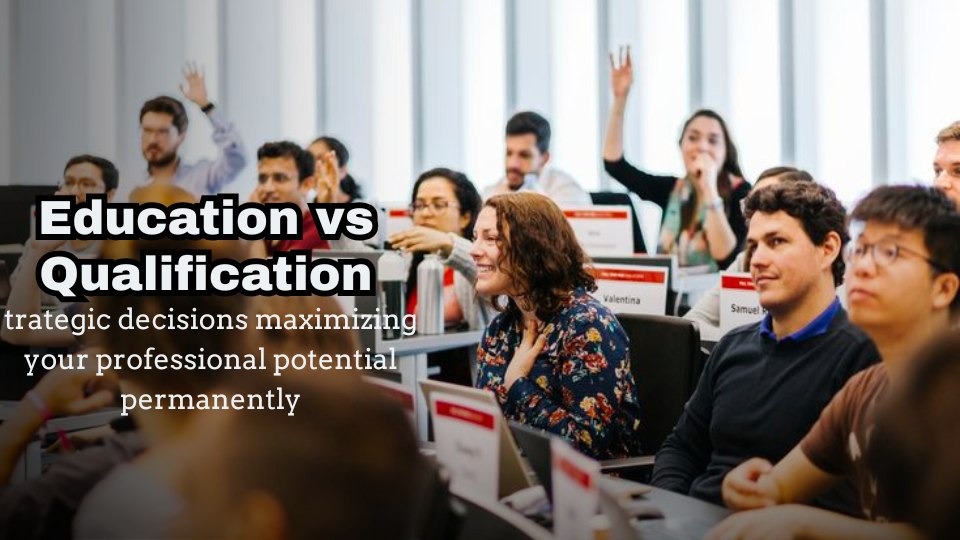
We will explore lifelong learning benefits, examine professional development frameworks, and reveal employability factors that determine career success beyond traditional qualifications. Understanding education vs qualification empowers strategic decisions maximizing your professional potential permanently.
Defining the Fundamental Distinction Clearly
Education represents the comprehensive process of acquiring knowledge, developing critical thinking abilities, and cultivating intellectual curiosity throughout entire lifetimes. This transformative journey shapes how individuals perceive, analyze, and respond to complex situations they encounter. It debates begin with understanding this foundational definition properly.
Qualification refers specifically to formal credentials, certifications, and documented achievements recognized by institutions and employers officially. These tangible markers serve as gatekeeping mechanisms for career opportunities and professional advancement pathways. Qualifications provide verifiable proof of completing specific requirements or demonstrating particular competencies.
The distinction matters because possessing credentials does not guarantee genuine understanding or practical capability. Similarly, deeply educated individuals may lack formal documentation validating their knowledge and skills. Education vs qualification tensions emerge when these elements exist independently rather than complementing each other harmoniously.
Historical Evolution of Credential Importance
Medieval guild systems established early qualification frameworks requiring apprentices to demonstrate mastery before practicing trades independently. These practical assessments ensured quality standards while protecting established practitioners from unqualified competition. Credential acquisition originated in demonstrating genuine competency through observable skill performance.
Industrial revolution standardization transformed qualifications into paper based certifications issued by educational institutions. Mass production economies required workers with predictable skill sets verified through formal documentation efficiently. This shift prioritized credential possession over demonstrated practical abilities increasingly.
Contemporary knowledge economies have complicated education vs qualification relationships further through rapid technological change. Skills become obsolete faster than credential systems can adapt, creating misalignment between documented qualifications and actual market needs. Lifelong learning now matters more than initial credential acquisition alone.
The Degree Inflation Phenomenon
Positions previously requiring high school diplomas now demand bachelor degrees without corresponding responsibility increases. This credential creep forces job seekers to accumulate qualifications beyond actual job requirements unnecessarily. Education vs qualification imbalances intensify as degrees become minimum thresholds rather than distinguishing achievements.
Employers use qualifications as screening mechanisms when applicant volumes exceed evaluation capacities practically. Degrees serve as filtering tools reducing candidate pools rather than identifying genuinely superior performers. This reality drives qualification pursuit regardless of educational value received.
Alternative Credentialing Emergence
Micro credentials, digital badges, and skills based certifications have emerged challenging traditional degree dominance recently. These alternatives document specific competencies more precisely than broad academic qualifications. Professional development pathways now include diverse credentialing options beyond university degrees.
Industry recognized certifications often carry greater practical value than academic degrees within specific fields. Technology companies increasingly accept coding bootcamp credentials alongside computer science degrees equally. Education vs qualification debates now include these emerging alternative pathways.

What Employers Actually Value Today
Research reveals that hiring managers prioritize practical competencies and problem solving abilities over credential collections consistently. Candidates demonstrating genuine capabilities through portfolios, projects, and assessments outperform those relying solely on impressive resumes. Skill development evidence matters increasingly during evaluation processes.
Soft skills including communication, collaboration, and adaptability prove difficult to credential yet remain highly valued by employers. These capabilities develop through genuine educational experiences rather than certification programs typically. Education vs qualification discussions must acknowledge these unmeasurable yet essential attributes.
Consider these employability factors that certified HR professionals identify as determining hiring decisions consistently:
- Demonstrated ability to solve complex problems using critical thinking and analytical reasoning skills
- Communication capabilities enabling effective collaboration across diverse teams and stakeholder groups
- Adaptability and willingness to learn new technologies and methodologies as requirements evolve rapidly
- Practical experience applying knowledge within professional contexts producing tangible measurable results
- Cultural fit and emotional intelligence supporting positive workplace relationships and team dynamics
Industry Specific Variations
Regulated professions including medicine, law, and engineering require specific qualifications for legal practice authorization. These fields maintain strict credentialing requirements protecting public safety through verified competency standards. Education vs qualification alignment remains essential within these regulated domains.
Creative industries and technology startups often prioritize portfolios and demonstrated work over formal credentials entirely. Hiring decisions depend on observable output quality rather than institutional pedigree or degree prestige. Practical competencies outweigh qualifications in these contexts significantly.
The Skills Gap Reality
Employers report difficulty finding candidates possessing required practical abilities despite abundant qualified applicants available. Credential holders frequently lack job ready skills that educational programs fail to develop adequately. This skills gap demonstrates education vs qualification misalignment affecting workforce readiness globally.
Industry partnerships with educational institutions aim to bridge gaps between academic preparation and employer expectations. Practical experience integration through internships and cooperative programs enhances graduate employability substantially. Lifelong learning continues addressing skill gaps throughout careers.
Building Balanced Professional Profiles
Strategic career development requires combining genuine education with strategic credential acquisition thoughtfully. Neither knowledge without documentation nor credentials without competency produces optimal professional outcomes. Education vs qualification balance maximizes career potential effectively.
Continuous learning ensures knowledge remains current as industries evolve and requirements change rapidly. Formal qualifications provide entry access while ongoing skill development enables advancement and adaptation. Professional development encompasses both educational growth and strategic credentialing.
Self directed learning through reading, courses, and practical projects builds capabilities independent of formal programs. Documenting this growth through portfolios and demonstrable outcomes creates evidence surpassing credential value alone.It integration produces professionals employers genuinely value.
Mentorship relationships provide guidance navigating credential requirements while developing genuine competencies simultaneously. Experienced professionals share insights about which qualifications matter and which represent unnecessary investments. Strategic career planning requires understanding industry specific education vs qualification dynamics.
Conclusion:
Navigating career success requires understanding the crucial distinction between genuine knowledge and paper credentials. Throughout this guide, workforce development experts have shared research validated insights demonstrating how skill development, practical competencies, and lifelong learning often outweigh credential accumulation alone.
The education vs qualification debate reveals that employers increasingly value demonstrated abilities over impressive resume collections. Professional development strategies must balance genuine learning with strategic credential acquisition for optimal career outcomes.
Start building your balanced professional profile today. Whether pursuing meaningful educational experiences, developing practical competencies, or obtaining strategic certifications, every intentional investment matters significantly. Understanding its dynamics empowers career decisions that maximize your long term employability and professional success.