Recognizing social awareness importance fundamentally transforms how individuals perceive community challenges, interpersonal relationships, and collective responsibilities within interconnected modern societies. Conscious citizens who understand societal issues contribute meaningfully toward positive change while fostering environments where empathy and cooperation flourish naturally across diverse populations.
This expert guide examines research validated perspectives on community consciousness building that illuminate transformational impacts across multiple dimensions. You’ll discover how civic engagement benefits integrate with prosocial behavior development to create measurable progress consistently. We explore collective empathy cultivation alongside societal responsibility awareness research backed by behavioral psychology evidence.
Whether you’re a community leader, educator, or concerned citizen, this comprehensive resource delivers social change catalyst frameworks that explain awareness’s profound civilizational influence comprehensively.
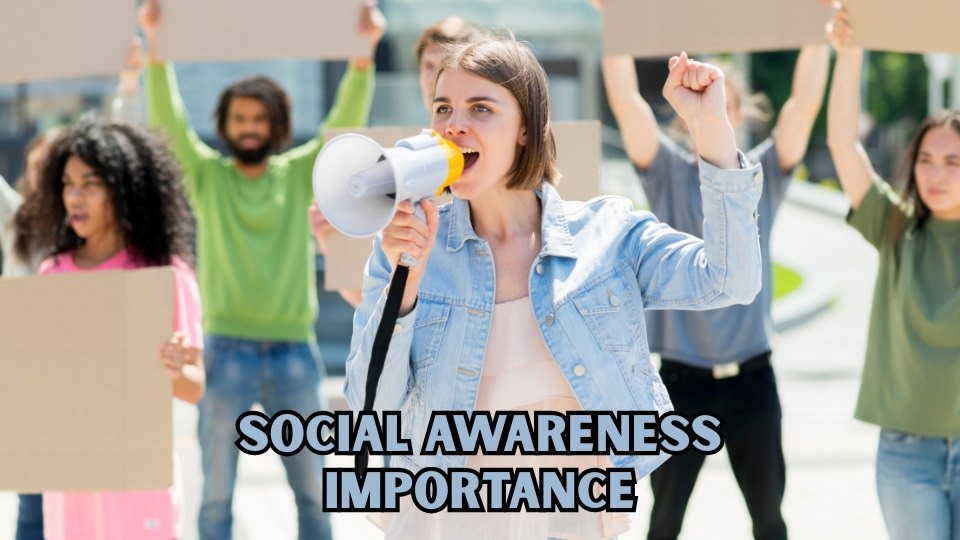
Defining Social Awareness Importance Fundamentally
Social awareness importance refers to the critical capacity individuals develop for recognizing, understanding, and responding appropriately to community challenges, systemic inequalities, and collective needs affecting diverse populations. This consciousness extends beyond personal concerns to encompass broader societal dynamics that influence wellbeing across interconnected communities globally.
Community consciousness building represents the deliberate cultivation of understanding regarding social structures, cultural diversity, and shared human experiences. Grasping social awareness importance enables individuals to move beyond self centered perspectives toward genuinely empathetic engagement with surrounding communities meaningfully.
Historical Development of Social Consciousness
Organized social awareness movements emerged during the 18th century Enlightenment period when philosophers championed individual rights, democratic participation, and humanitarian concerns publicly. These early thinkers established intellectual foundations for civic engagement benefits that subsequent generations expanded through organized activism and institutional reform efforts.
The 20th century witnessed dramatic acceleration in social consciousness development through civil rights movements, environmental activism, and global humanitarian campaigns. These collective efforts demonstrated social awareness importance by achieving transformational policy changes that improved conditions for marginalized populations worldwide significantly.
Why Social Awareness Matters Today
Social awareness importance intensifies within contemporary contexts where globalization, digital connectivity, and complex interdependencies link distant communities through economic, environmental, and political relationships invisibly. Individual actions within one region increasingly impact populations across continents through supply chains, carbon emissions, and information networks.
Prosocial behavior development depends upon accurate understanding of how personal choices affect others beyond immediate observation. Without cultivated awareness, well intentioned individuals inadvertently perpetuate harmful systems through unconscious participation in exploitative practices.
Connection to Personal Development
Individual psychological health correlates strongly with social connection quality and community belonging experiences. Collective empathy cultivation enhances interpersonal relationships while reducing isolation and alienation that plague modern societies increasingly.
Social awareness importance manifests through improved communication skills, conflict resolution capabilities, and collaborative potential that benefit personal and professional domains simultaneously. Socially aware individuals navigate diverse environments more successfully while building meaningful relationships across cultural boundaries effortlessly.
Remarkable Benefits of Social Awareness
Cultivating social awareness delivers extensive advantages across individual, community, and societal levels measurably. Societal responsibility awareness transforms passive observers into active participants who contribute meaningfully toward collective progress consistently.
Consider these documented benefits of developed social awareness:
- Community cohesion strengthens substantially when citizens understand shared challenges and collaborate toward common solutions rather than pursuing isolated self interested goals that fragment neighborhoods permanently.
- Mental health improvements occur naturally because socially connected individuals experience reduced depression, anxiety, and loneliness through meaningful relationships and purposeful community engagement activities regularly.
- Economic opportunities expand significantly as social change catalyst individuals build diverse networks providing access to information, resources, and collaborative partnerships unavailable to isolated persons.
- Political effectiveness increases measurably when civically engaged populations organize collectively around shared concerns rather than attempting individual advocacy efforts that lack sufficient influence independently.
- Intergenerational wisdom transfers successfully when community consciousness building creates spaces for elders and youth to exchange perspectives, traditions, and innovative approaches across age boundaries respectfully.
Developing Social Awareness Effectively
Social awareness importance becomes actionable through deliberate practices that expand perspective beyond familiar experiences systematically. Reading diverse authors, engaging with unfamiliar communities, and consuming varied media sources broadens understanding of different lived realities authentically.
Civic engagement benefits multiply when individuals participate actively within local governance, volunteer organizations, and community improvement initiatives. Direct involvement creates experiential learning opportunities unavailable through passive observation or academic study alone.

Educational Approaches and Strategies
Formal education systems increasingly incorporate prosocial behavior development into curricula recognizing that technical knowledge without ethical consciousness produces capable individuals lacking moral direction. Service learning programs connect classroom concepts with real community needs meaningfully.
Informal learning through mentorship, community dialogue, and cross cultural exchange complements institutional approaches effectively. Social awareness importance grows through accumulated experiences that challenge assumptions and expand empathetic capacity progressively over time.
Challenges in Cultivating Social Awareness
Despite recognized benefits, collective empathy cultivation faces significant obstacles within contemporary societies dominated by individualistic values and competitive economic structures. Consumer culture emphasizes personal acquisition over community contribution creating psychological barriers to expanded awareness development.
Information overload and media fragmentation enable selective exposure where individuals encounter only perspectives confirming existing beliefs. Echo chambers reinforce narrow worldviews while preventing exposure to diverse experiences necessary for genuine societal responsibility awareness cultivation.
Overcoming Resistance and Apathy
Compassion fatigue affects individuals overwhelmed by constant exposure to global suffering without apparent pathways for meaningful response. Social awareness importance diminishes when people feel powerless against systemic challenges seemingly beyond individual influence capacity.
Building sustainable awareness requires balancing knowledge of problems with engagement in solutions that demonstrate tangible impact locally. Social change catalyst initiatives connecting concerned individuals with effective organizations convert passive sympathy into active participation. Community consciousness building succeeds when awareness inspires action rather than generating paralyzing despair about overwhelming global challenges facing humanity collectively.
Conclusion:
Recognizing social awareness importance empowers individuals to transcend self centered perspectives and contribute meaningfully toward collective progress across communities. Throughout this guide, we explored how community consciousness building integrates with prosocial behavior development to create measurable improvements in mental health, community cohesion, and political effectiveness.
Your understanding of civic engagement benefits deepens when recognizing connections between collective empathy cultivation and societal responsibility awareness pathways. Implementing social change catalyst frameworks ensures continued advancement across generations.
Engage with diverse communities, participate in local initiatives, and embrace social awareness importance as foundational to human flourishing. Apply these behavioral psychology insights consistently, and awareness becomes a powerful engine driving compassionate societal transformation worldwide.