The ethical issues with robots go beyond technology they challenge how we define responsibility, fairness, and even humanity itself. As robots become an integral part of modern society, from healthcare assistants to automated soldiers, their growing presence raises complex moral dilemmas. As machines begin to make decisions that affect human lives, questions arise about privacy, accountability, and emotional boundaries.
This article explores the evolving relationship between humans and intelligent machines, highlighting the impact of artificial intelligence, automation ethics, and the future of human-robot interaction. Readers will gain insight into the challenges and responsibilities that come with creating technologies capable of independent thought and action, and how society can ensure innovation aligns with human values.
Understanding Ethical Issues with Robots
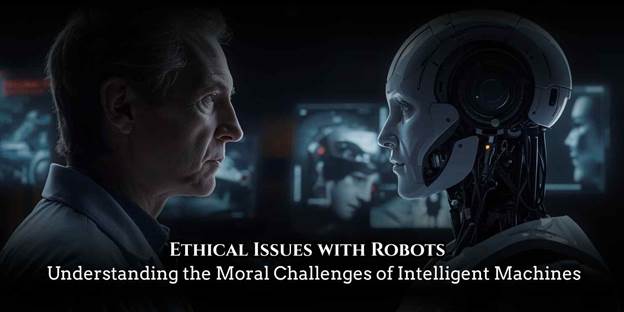
The ethical issues with robots revolve around the moral and social implications of using intelligent machines in daily life. These issues arise when robots or AI systems make decisions that directly affect human well-being, safety, or privacy. As technology continues to evolve, so does the debate about how far automation should go and where human control must remain.
Related Article: The Importance of AI Ethics in a Rapidly Changing World
What Are Ethical Issues with Robots?
Ethical issues with robots refer to the conflicts between human moral values and robotic actions or programming. These concerns involve questions about fairness, accountability, and respect for human rights. For instance, when AI algorithms decide who gets a job or a loan, or when autonomous robots make life-or-death choices in healthcare or warfare, ethics become central to the discussion.
A Brief Background and History
The concept of robot ethics emerged decades ago, long before today’s advanced artificial intelligence systems.
- In 1942, science fiction writer Isaac Asimov introduced the famous Three Laws of Robotics, emphasizing safety and obedience to humans.
- During the 20th century, as automation expanded in industries, ethical discussions shifted from fiction to real-world policy and technology.
- In the 21st century, robotic technology has entered homes, hospitals, and battlefields, making ethical oversight more crucial than ever.
The history of ethics in robotics shows how humanity’s fascination with machines has evolved into a serious global conversation about responsibility, transparency, and trust.
Importance of Ethical Considerations in Robotics
Ethics in robotics isn’t just an academic debate it directly impacts everyday life. Responsible AI development ensures that technology benefits society rather than harms it.
Why Ethics Matter
Ethical principles guide the design, development, and deployment of robots. Without them, automation could create unintended harm.
Key reasons include:
- Protecting human rights: Preventing discrimination, bias, and harm caused by machine errors or misuse.
- Ensuring accountability: Determining who is responsible when a robot makes a mistake.
- Maintaining trust: People are more likely to use technology they perceive as safe and fair.
- Preserving privacy: Preventing misuse of personal data by AI-driven systems.
Balancing Innovation and Morality
While robotics innovation drives progress in industries, healthcare, and education, it must also align with moral values. Unchecked development may lead to unemployment, surveillance, and inequality. A balance between innovation and ethics helps create sustainable progress that respects human dignity.
Benefits of Ethical Robotics
When designed and used responsibly, robots can offer significant social and economic benefits.
Enhancing Human Life
Ethically guided robotics improves quality of life in various sectors:
- Healthcare: Robots assist surgeons and provide elderly care with precision and compassion.
- Education: AI tutors personalize learning experiences for students.
- Industry: Automated systems increase productivity while maintaining worker safety.
- Environment: Smart robots monitor pollution and support sustainable practices.
Supporting Inclusive Growth
Ethical robotics promotes fairness by ensuring technology is accessible and beneficial for everyone. It encourages companies to follow transparency principles, respect labor rights, and avoid bias in decision-making algorithms.
Major Challenges in Robot Ethics
Despite the benefits, numerous challenges make robot ethics complex and difficult to regulate.
Accountability and Responsibility
Who is to blame when a robot makes an error? This remains one of the toughest questions in automation ethics.
- If a self-driving car causes an accident, should the programmer, manufacturer, or the AI itself be responsible?
- The lack of clear legal frameworks makes accountability a gray area in robotics.
Privacy and Data Protection
Many intelligent machines collect vast amounts of personal data. Without strong privacy laws, users risk losing control over their information.
- AI surveillance systems can track people’s behavior without consent.
- Home robots may unintentionally record private conversations.
Bias and Discrimination
Algorithms often reflect the biases of their creators or training data. This can lead to unfair outcomes in areas like recruitment, law enforcement, and lending.
- Biased AI may reject qualified job applicants or misidentify individuals in security systems.
- Ethical oversight ensures these tools are tested for fairness and transparency.
Emotional and Social Impact
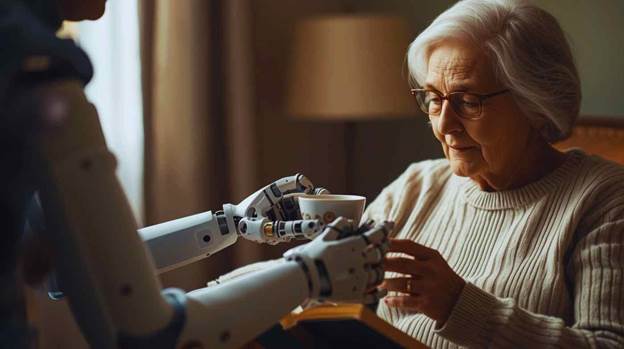
Humans form emotional connections with machines, especially social robots used in care or education. This can blur boundaries between human empathy and artificial interaction.
- Overreliance on robots may reduce genuine human contact.
- Emotional attachment could lead to ethical confusion about machine autonomy and rights.
Real-World Examples of Ethical Dilemmas
Autonomous Vehicles
Self-driving cars must make ethical decisions in emergencies, such as choosing between protecting passengers or pedestrians. These “moral choice” scenarios raise questions about how to program machine ethics.
Military Robots
Autonomous drones and robotic soldiers are used in warfare. Their ability to make independent decisions challenges international laws and human morality. Should a machine decide who lives or dies?
Healthcare Robots
Medical robots assist in surgeries and elder care. While they improve precision and efficiency, ethical concerns include emotional detachment, data privacy, and overdependence on technology.
The Path Toward Responsible Robotics
To address the ethical issues with robots, global cooperation among governments, researchers, and companies is essential.
Key Solutions
- Establish universal ethical guidelines for robot design and usage.
- Encourage transparency in AI decision-making processes.
- Develop legal frameworks that clearly define responsibility.
- Promote education and awareness about digital ethics.
- Foster collaboration between technologists and ethicists.
Building a Better Future
Ethical robotics isn’t about limiting progress it’s about shaping a future where innovation serves humanity responsibly. By embedding ethics into every stage of robotic development, we can ensure that intelligent machines complement, rather than replace, human intelligence.
Related Article: The Future of Technology with Intelligent Systems
Through thoughtful regulation, transparency, and compassion, society can embrace the power of robots while preserving the very values that make us human.
Conclusion
In conclusion, understanding the ethical issues with robots is vital as technology continues to shape our lives. From privacy concerns to accountability and fairness, these challenges highlight the need for responsible innovation and strong moral frameworks. By promoting ethical robotics and transparent development, society can ensure that machines serve humanity’s best interests. As we move forward, it’s essential to stay informed, support responsible AI practices, and explore how ethical principles can guide the future of robotics for a safer, more equitable world.