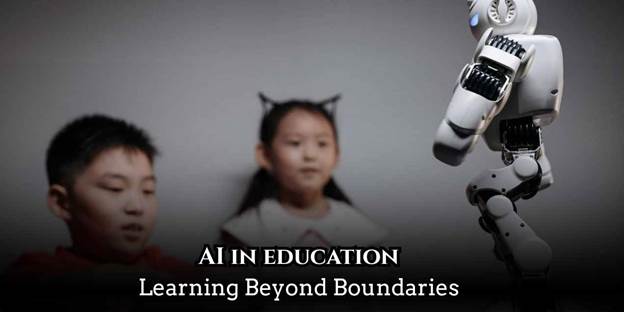
In today’s rapidly transforming world, AI in education is reshaping how students learn and teachers teach. This revolutionary blend of technology and learning is creating classrooms that are more interactive, personalized, and efficient. From digital learning tools that adapt to each student’s pace to smart classrooms that promote collaboration and engagement, innovation is driving a new era of education. The coming years promise even more exciting possibilities, where technology won’t just support learning it will redefine it entirely.
This article explores how emerging tools, intelligent systems, and adaptive methods are building the foundation for a smarter, more connected educational future.
Understanding the Transformation of Modern Learning
What is AI in Education?
It refers to the integration of intelligent systems and technologies that help automate, analyze, and enhance the learning experience. It enables personalized teaching, adaptive assessments, and real-time feedback for both students and educators. This transformation allows institutions to provide smart learning solutions that adjust according to the unique pace and performance of each learner.
A Brief Background of Educational Technology
The journey toward AI in education began with simple computer-based learning systems in the 1980s. Over time, advancements in machine learning, data analytics, and cloud computing have given rise to smarter, data-driven tools. Early educational software focused mainly on tutorials and drills. Today, however, intelligent algorithms can evaluate emotions, predict academic outcomes, and recommend tailored learning paths.
Evolution from Traditional to Intelligent Learning
In traditional classrooms, a single teacher had to meet the diverse needs of many students. But now, with AI in education, lessons are becoming more personalized, efficient, and measurable. This technology has paved the way for:
- Automated grading systems that save teachers’ time
- Virtual tutors that support students after school hours
- Adaptive learning platforms that tailor lessons in real time
- Predictive analytics that identify struggling learners early
Importance of Technology in Future Learning
Empowering Students through Personalized Learning
It empowers students to learn at their own pace. Intelligent systems analyze progress and adjust content accordingly. This helps ensure that no learner is left behind. With personalized learning experiences, students gain confidence and stay motivated.
Key Benefits Include:
- Enhanced engagement through interactive learning tools
- Continuous feedback and improvement suggestions
- Greater accessibility for learners with special needs
- Real-time performance tracking for better outcomes

Enhancing the Role of Educators
Teachers are no longer just instructors, they are facilitators of digital transformation. It assists teachers by handling repetitive tasks such as attendance tracking and assignment grading. This allows educators to focus on creativity, mentorship, and emotional intelligence. Additionally, data-driven insights enable them to design more effective lesson plans based on student behavior and results.
Creating Global Access to Knowledge
The rise of e-learning platforms has opened education to anyone with an internet connection. Through AI-powered virtual classrooms, students across the globe can access world-class resources. This fosters global collaboration, enabling learners from different countries to share ideas, experiences, and innovations without physical barriers.
Benefits of Future Learning Powered by Technology
1. Improved Learning Outcomes
It enhances learning efficiency by analyzing student data and suggesting improvements. It identifies weak areas, provides instant support, and strengthens understanding through customized materials.
2. Real-Time Assistance
With virtual assistants and chatbots, students receive instant help, whether it’s answering a question, finding study materials, or tracking academic goals.
3. Inclusive Education for All
It ensures inclusivity by offering voice recognition, translation tools, and assistive technologies for learners with disabilities. This promotes equality and helps bridge the digital divide.
4. Encouraging Creativity and Critical Thinking
AI-driven platforms allow students to explore ideas, conduct experiments, and learn through simulations. This hands-on approach boosts creative problem-solving and prepares students for future careers in tech-driven industries.
Challenges in Implementing Intelligent Learning Systems
Addressing Data Privacy and Security
One of the major challenges of AI in education is ensuring the safety of student data. Institutions must establish strong cybersecurity measures and follow ethical standards for data collection and use.
Bridging the Digital Divide
While technology brings endless opportunities, not all students have equal access to devices or internet connectivity. This gap hinders digital equity and must be addressed through affordable learning initiatives and government support.
Maintaining Human Connection
Despite the power of AI in education, emotional intelligence, empathy, and personal connection remain irreplaceable. Schools and educators must balance automation with the human touch to maintain genuine relationships between teachers and students.
Real-World Examples of AI-Driven Education
Innovative Tools and Applications
- Smart content creation tools that design lessons automatically
Learning analytics platforms that predict student performance - Adaptive quizzes that adjust difficulty levels
- Virtual reality classrooms for immersive learning experiences
Success Stories Around the World
- In the U.S., schools are using AI-based tutoring systems like Carnegie Learning to improve math outcomes.
- In Asia, intelligent testing platforms analyze student emotions to reduce exam stress.
- In Europe, automated grading tools help teachers save hours every week.
The Road Ahead: A Smarter Educational Future
Building a Connected Learning Ecosystem
The future of AI in education lies in creating connected ecosystems where students, teachers, and institutions collaborate seamlessly. By combining data analytics, machine learning, and virtual classrooms, education will become more accessible, engaging, and future-ready.
Final Thoughts
Technology is not replacing teachers, it’s empowering them. As AI in education continues to evolve, it promises a future where every learner’s potential is recognized and nurtured. The classroom of tomorrow will be one where innovation meets compassion, and where learning never stops evolving.
Conclusion
The journey of AI in education highlights how technology is transforming learning into a more adaptive, engaging, and inclusive experience. From personalized lessons to global collaboration, these innovations are redefining what it means to teach and learn. As AI in education continues to evolve, its potential to bridge gaps and unlock creativity grows stronger. Embracing this transformation today will prepare students and educators for the challenges of tomorrow. To stay ahead, explore new learning tools, stay updated on trends, and be part of the future of smart education.