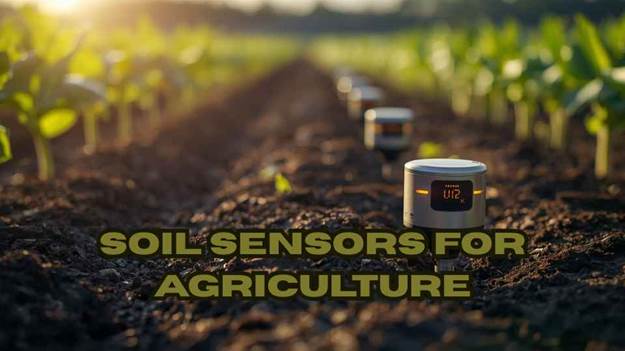
Soil sensors for agriculture are transforming the way farmers monitor and manage their fields, bringing precision and efficiency to every stage of crop production. These smart tools help in understanding soil moisture, nutrient levels, and temperature variations, enabling data-driven decisions for healthier and more productive crops. As technology advances, farmers are moving away from guesswork and embracing innovative methods to optimize irrigation and fertilizer use.
This article explores how modern smart farming technologies powered by soil sensors are reshaping traditional agriculture, reducing waste, and promoting sustainable food production for a growing global population.
Understanding Soil Sensors for Agriculture and Their Role in Precision Farming
Definition and Working of Soil Sensors
Soil sensors for agriculture are innovative devices designed to measure and analyze various soil properties in real time. These sensors collect vital data such as soil moisture, temperature, pH levels, and nutrient concentration. The collected information helps farmers make informed decisions about irrigation, fertilization, and crop management.
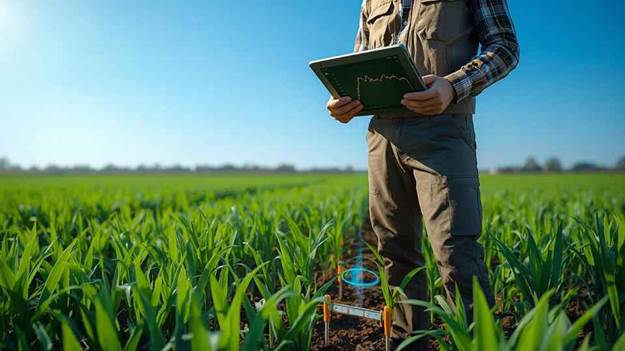
Modern soil sensors use wireless technology and IoT connectivity to transmit data to mobile devices or cloud platforms, where it can be analyzed through digital dashboards. This integration allows for quick adjustments and efficient farm management.
Background and Evolution of Soil Sensors
The concept of soil monitoring began decades ago, but early methods relied on manual sampling and laboratory analysis. These traditional techniques were time-consuming, costly, and often led to delayed results. With the rise of smart farming technologies, soil sensors evolved into compact, automated, and highly accurate systems.
Over time, advancements in Internet of Things (IoT), machine learning, and data analytics have made soil sensors an essential part of precision agriculture. Today, they are widely used in both large-scale commercial farms and small agricultural setups, allowing farmers across the world to optimize productivity and resource use.
Importance of Soil Sensors in Modern Agriculture
Soil sensors play a critical role in improving farm productivity and promoting sustainable farming practices. They help farmers understand the real-time needs of their soil, preventing over-irrigation, waterlogging, and nutrient loss.
Here’s why they are indispensable:
- Enable precise irrigation scheduling based on soil moisture data.
- Reduce fertilizer wastage by identifying nutrient deficiencies accurately.
- Help monitor soil health over time for long-term farm sustainability.
- Improve crop yield through targeted interventions.
- Minimize environmental pollution by reducing chemical runoff.
These benefits highlight the importance of adopting smart agriculture tools to ensure food security while protecting natural resources.
Benefits of Using Soil Sensors in Precision Farming
The integration of soil sensors for agriculture with data-driven platforms brings multiple advantages that directly impact farming efficiency.
1. Efficient Water Management
By continuously monitoring soil moisture, farmers can determine the exact amount of water their crops require, reducing wastage and conserving groundwater.
2. Enhanced Crop Quality
Consistent soil monitoring allows for maintaining the ideal nutrient balance, resulting in healthier crops with better growth and yield.
3. Cost and Time Savings
Automated soil sensors eliminate the need for frequent manual testing, saving time and labor costs.
4. Environmental Sustainability
Sensors help prevent the overuse of fertilizers and pesticides, reducing the risk of soil degradation and contamination.
5. Real-Time Decision-Making
Data from soil sensors can be accessed instantly, enabling quick actions during unexpected weather changes or irrigation needs.
Challenges and Limitations
Despite their numerous advantages, soil sensors also face some challenges that affect widespread adoption:
- High Initial Cost: Advanced sensors and IoT systems can be expensive, especially for small-scale farmers.
- Data Interpretation Issues: Without proper training, farmers may struggle to understand or utilize the data effectively.
- Maintenance and Calibration: Sensors require regular maintenance to ensure accuracy.
- Connectivity Problems: In remote or rural areas, poor internet connectivity can disrupt data transmission.
Addressing these challenges requires collaboration between technology developers, agricultural institutions, and governments to make smart farming more accessible and affordable.
Examples and Applications in Real Farming Scenarios
Farmers across the globe are successfully implementing soil sensors for agriculture to improve efficiency and sustainability.
- In India, smart soil sensors are being used in rice and wheat fields to manage irrigation more precisely, leading to up to 30% water savings.
- European vineyards use soil moisture and nutrient sensors to ensure the perfect conditions for grape cultivation, improving both yield and wine quality.
- In the United States, IoT-enabled soil sensors are integrated with drones and weather data to create comprehensive precision farming systems.
These examples show how digital farming tools are reshaping traditional agricultural practices.
Integration with Modern Technologies
The effectiveness of soil sensors increases when combined with other technologies like:
- Drones: Capture aerial images to complement soil data and detect crop stress.
- AI and Machine Learning: Analyze historical soil data to predict future conditions.
- Automated Irrigation Systems: Adjust water supply automatically based on sensor readings.
- GPS Mapping: Visualize soil variations across large farms for better resource allocation.
This integration forms the foundation of smart farming, making agriculture more sustainable, efficient, and resilient to climate challenges.
Future Outlook of Soil Sensors in Agriculture
The future of soil sensors for agriculture is promising, driven by continuous innovation in IoT and AI. The coming years will likely see sensors that are more affordable, durable, and capable of measuring multiple soil factors simultaneously.
As global demand for food rises, these intelligent tools will become essential for balancing productivity with sustainability. With better data analytics and user-friendly mobile applications, even small-scale farmers will be able to benefit from precision agriculture techniques.
In summary, soil sensors are not just devices they are catalysts for transformation in the agricultural industry, enabling farmers to grow smarter, conserve resources, and cultivate a greener future.
Conclusion
In conclusion, soil sensors for agriculture are redefining modern farming by enabling smarter and more efficient crop management. These advanced tools help farmers understand soil moisture, nutrients, and temperature, allowing precise decisions that boost productivity while conserving resources. As technology continues to evolve, integrating smart farming technologies will become essential for sustainable food production. Embracing these innovations not only improves yields but also protects the environment. To stay ahead, farmers and agronomists should continue to explore and learn more about the future of precision agriculture.