
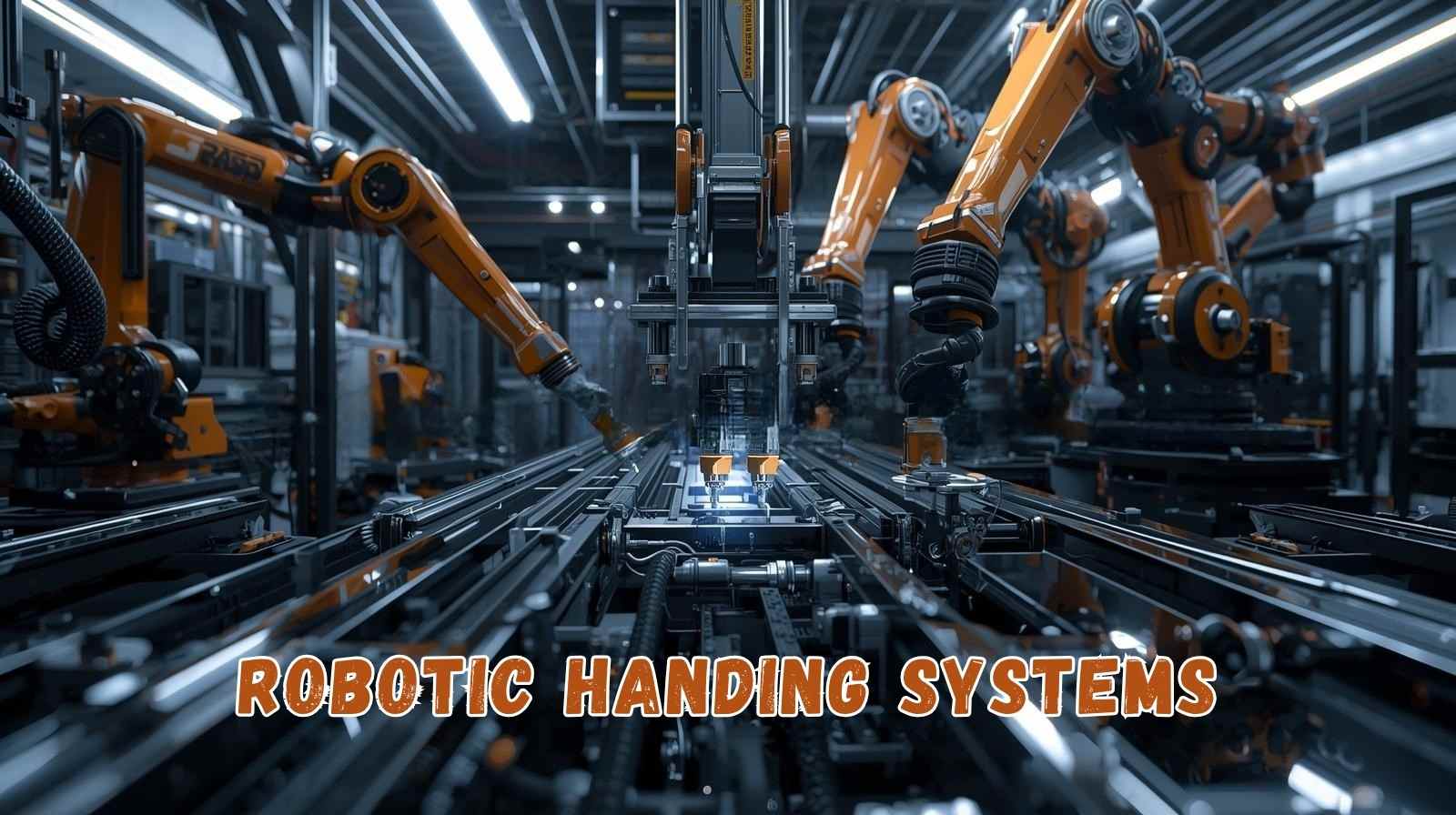
Robotic handling systems are becoming essential in today’s fast-paced industrial environment, helping businesses achieve higher efficiency and consistent product quality. As production demands increase, companies are shifting from manual handling to advanced automation solutions that ensure accuracy, speed, and safety. These systems are widely used across manufacturing lines, warehousing units, and packaging facilities, where they perform tasks such as sorting, picking, packing, and transferring materials with remarkable precision.
In this article, we will explore how these automation technologies work, the key components involved, and why they are considered a reliable investment for both small and large operations. We will also discuss their benefits, applications, and how they compare with traditional manual handling approaches. Additionally, we’ll highlight how smart factory automation and industrial material handling solutions are shaping the future of production and logistics.
Definition and Core Purpose
Robotic handling systems are advanced automated solutions designed to manage and transport products, components, or materials across different stages of an industrial or commercial workflow. Their primary function is to enhance accuracy, reduce reliance on physical labor, and maintain a steady pace of output. These systems are commonly used in manufacturing plants, packaging units, distribution centers, and storage facilities where speed and precision are essential for maintaining consistent quality.
Related Article: Choosing the Right Robotic Handling Systems for Your Manufacturing Facility: Key Considerations
What These Systems Include
Mechanical and Intelligent Control Components
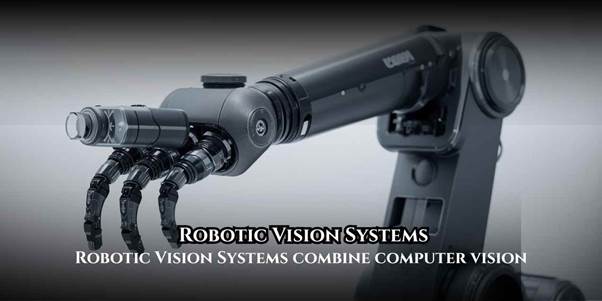
Such systems typically include robotic arms, multi-functional grippers, conveyors, and specialized control units. The software component governs timing, sequencing, path correction, and synchronized movement. The integration of machine vision technology allows the robots to differentiate object shapes, detect positions, and adjust handling movements in real time. This makes operations smooth, stable, and adaptable to different production conditions.
Background and Evolution
Industrial operations were once heavily dependent on manpower, leading to inconsistent output and slower production cycles. As markets expanded, industries needed reliable and standardized systems to maintain quality at increased production rates. This inspired more interest in automation.
Early Automation Developments
The Shift Toward Digital Precision
Initial automation relied on mechanical repeaters that performed only one set of instructions. However, as computing evolved, these systems became capable of storing multiple task profiles. Over time, the introduction of smart factory automation, real-time feedback systems, and adaptive control software allowed industries to replace labor-intensive steps with consistent mechanical operations.
Growth of Intelligent Industrial Equipment
Integration with Robotics and Data Systems
Modern facilities use integrated production management platforms that coordinate communication between machines and monitoring systems. This allows for predictive maintenance, error detection, and workflow scheduling without halting production.
Importance in Modern Industries
The use of robotic handling systems has become essential for maintaining global competitiveness. Industries face high customer demand, strict delivery timelines, and increasing pressure to improve product reliability. Automation ensures that processes run efficiently and continuously, without interruptions caused by fatigue or environmental conditions.
Industries Benefiting from These Systems
Manufacturing and Assembly
These systems help position, align, and assemble various parts, especially in sectors like automotive and electronics where precision is crucial.
Warehousing and Distribution
The integration of automated storage and retrieval systems enables faster inventory movement and organized shelf management, reducing human search and handling errors.
Food and Pharmaceutical Production
These sectors require extremely hygienic environments. Automated handling reduces product contamination by minimizing manual contact.
Benefits and Value Addition
Companies adopt automation solutions for several operational and strategic advantages:
• Enhanced precision and consistency across production cycles
• Reduced fatigue-related errors
• Faster movement of materials and completed products
• Improved employee safety due to less physical strain
• Long-term cost savings once systems stabilize
• Ability to function in temperatures or environments unsafe for human labor
Strategic Advantage Over Traditional Processes
Scalability and Predictability
Unlike manual labor, which may fluctuate due to workforce shortages or shift limitations, automated systems support continuous production. Businesses can scale up output without needing equal growth in labor resources. This keeps workflow predictable, planned, and resistant to sudden demand changes.
Challenges in Implementation
Although beneficial, the adoption of robotic handling systems comes with obstacles that must be addressed carefully.
Initial Investment Requirements
Equipment and Integration Costs
The startup investment can be significant, especially when integrating automation into older facilities. However, long-term savings through reduced payroll strain and improved production efficiency often justify the expense.
Workforce Training and Adaptation
Shaping a Collaborative Workplace
Employees may initially worry about job displacement due to automation. To ease this, companies should provide training that allows workers to operate, supervise, or maintain these systems. This promotes trust and encourages collaboration between humans and technology instead of competition.
Real-World Applications and Functional Examples
These systems perform different tasks depending on the industry and scale of operation.
Automotive Manufacturing
High-Precision Assembly and Transfer
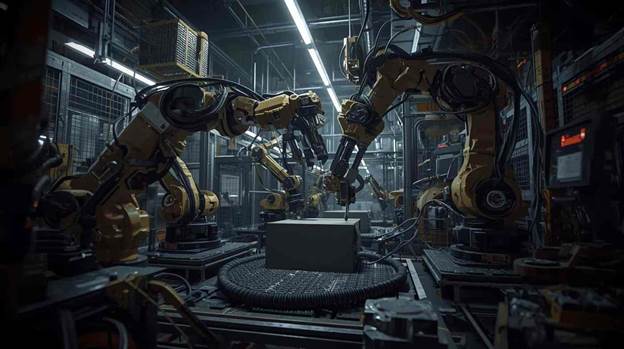
Handling robots transfer parts like engines, doors, and interior components with exact positioning. This ensures consistency in build quality and eliminates alignment errors that could affect performance.
Electronics and Consumer Goods
Micro-Level Handling Support
Electronic devices require careful handling due to their small size and delicate components. Automated tools perform actions gently yet precisely, preventing damage that could occur with manual handling.
Related Article: Transforming Industries with Robotics Automation
Logistics and E-Commerce
Fast Order Processing and Inventory Flow
Warehouses use automated material transport solutions to move goods from shelves to packing zones. This reduces the time between order placement and dispatch, which is essential in fast-paced retail environments.
Future Trends and Expected Innovations
Automation continues to evolve, influenced by advancements in computation, sensing, and machine learning.
Intelligent and Self-Adapting Systems
AI-Driven Decision Support
Robots will soon learn from operation patterns and automatically adjust speed, movement, and paths without new programming. This results in better adaptability across mixed production environments.
Human-Robot Collaboration
Growth of Collaborative Robots (Cobots)
Cobots are designed to work safely beside human operators. They handle the physically heavy or repetitive tasks, while humans guide decision-making, inspection, and optimization.
Conclusion
Robotic handling systems play a vital role in improving production efficiency, accuracy, and workplace safety across various industries. By reducing manual strain and enhancing workflow consistency, these solutions help businesses meet growing market demands with confidence. Although initial setup and training may require planning, their long-term value makes them a smart investment for modern operations. As technology continues to advance, robotic handling systems will become even more adaptable and intelligent. To stay competitive and future-ready, organizations should continue exploring new automation trends and integration opportunities.
1 Comment
Add Yours →[…] Related Article: Robotic Handling Systems: Transforming Efficiency and Precision in Modern Industries […]