Satellite agriculture monitoring is transforming the way farmers manage crops, resources, and productivity. By providing real-time data and imagery, this innovative technology enables precision farming, helping growers make smarter decisions about irrigation, fertilization, and pest control. With remote sensing and data analytics, farmers can monitor field health, predict yields, and minimize environmental impact.
This article explores how advanced satellite tools enhance crop performance, improve sustainability, and maximize profits for modern farms. By combining accurate mapping with intelligent insights, digital farming solutions are paving the way toward a more efficient and eco-friendly agricultural future.
Understanding Satellite Agriculture Monitoring and Its Role in Modern Farming
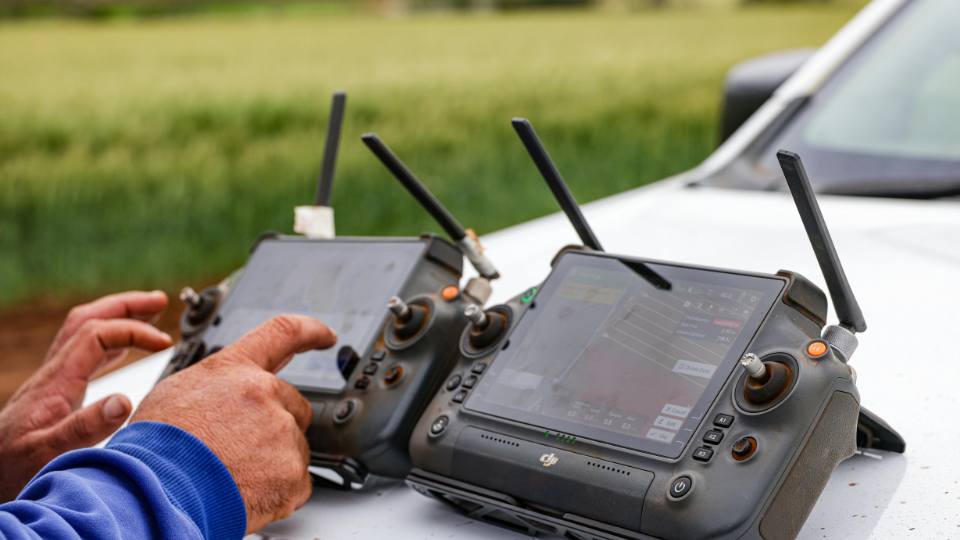
Satellite agriculture monitoring refers to the use of satellite imagery and remote sensing technologies to observe, measure, and analyze conditions in agricultural fields. Through continuous data collection, farmers gain accurate insights into soil moisture, crop health, and vegetation growth. This data-driven approach supports precision farming, allowing for efficient use of resources such as water, fertilizers, and pesticides. Over time, it has become an essential tool for sustainable and profitable farming practices.
A Brief History and Evolution of Smart Farming Technologies
The concept of monitoring agricultural activities from space began in the 1970s when early satellites started capturing images of Earth’s surface. With technological advancements, these images evolved from basic land-use visuals to high-resolution, data-rich imagery. The introduction of remote sensing and geographic information systems (GIS) revolutionized farming, providing accurate, real-time insights into crop conditions. Today, with cloud-based digital farming solutions, even small-scale farmers can access precise information on their fields.
The Importance of Satellite Agriculture Monitoring in Precision Farming
Precision farming relies on accurate data to optimize every stage of cultivation. By analyzing satellite images, farmers can detect irregularities in crop growth, identify nutrient deficiencies, and track changes in vegetation. This ensures that actions are based on evidence, not assumptions.
Key aspects include:
- Monitoring crop health using vegetation indices such as NDVI (Normalized Difference Vegetation Index).
- Mapping soil moisture to optimize irrigation schedules.
- Detecting pest infestations early to prevent large-scale damage.
- Evaluating overall field productivity and yield potential.
These insights empower farmers to manage resources wisely, reduce waste, and enhance long-term sustainability.
Key Benefits of Using Satellite Technology in Agriculture
1. Enhanced Crop Health Monitoring
High-resolution satellite imagery allows continuous tracking of crop development. With remote sensing data, farmers can identify stress factors such as drought, disease, or nutrient deficiencies long before they are visible to the naked eye. This early detection supports timely interventions, leading to healthier crops and better yields.
2. Efficient Water and Fertilizer Management
One of the most pressing issues facing modern agriculture today is the growing scarcity of water. Through satellite-based irrigation management, farmers can assess soil moisture levels and plan irrigation precisely. Similarly, monitoring nutrient levels helps avoid over-fertilization, reducing both costs and environmental impact.
3. Cost Reduction and Increased Profitability
By targeting specific areas for treatment rather than the entire field, farmers save significantly on input costs. This data-driven agriculture approach improves profit margins while ensuring resource efficiency. In addition, it helps meet environmental regulations by minimizing chemical runoff into water bodies.
4. Sustainability and Climate Resilience
With changing climate conditions, adaptive farming methods are essential. Satellite technologies help track weather patterns, temperature fluctuations, and rainfall trends. Farmers can use this data to develop climate-smart farming strategies, improving crop resilience and ensuring consistent productivity.
Challenges in Implementing Satellite Agriculture Monitoring
1. High Initial Costs
The setup and subscription costs for satellite data and software tools can be high, especially for small-scale farmers. However, as technology becomes more accessible, many governments and private organizations are offering subsidies and low-cost services.
2. Data Interpretation Complexity
While satellites collect massive amounts of information, analyzing and interpreting it requires specialized knowledge. To address this, many digital agriculture platforms now provide user-friendly dashboards that translate raw data into actionable insights.
3. Connectivity and Technical Barriers
In remote rural areas, poor internet connectivity can limit access to satellite data. Additionally, training farmers to use this technology effectively remains a challenge in developing regions. Governments and agricultural agencies are working to bridge this gap through smart farming education programs and infrastructure development.
Real-World Applications and Examples
1. Crop Monitoring in Africa
In Kenya and Ethiopia, satellite monitoring programs help small farmers detect drought conditions early. This proactive approach reduces crop losses and supports food security initiatives.
2. Smart Irrigation in India
Indian farmers are increasingly using satellite-based irrigation systems to monitor water usage. Platforms like Bhuvan and CropIn offer real-time maps that display moisture levels and crop growth data, allowing precise water management.
3. Precision Agriculture in Europe
European farms utilize GIS-based satellite solutions to plan crop rotation, monitor field boundaries, and improve fertilizer distribution. The EU’s Copernicus program provides open-access satellite data, promoting innovation in sustainable agriculture.
The Future of Smart Agriculture Through Satellite Monitoring
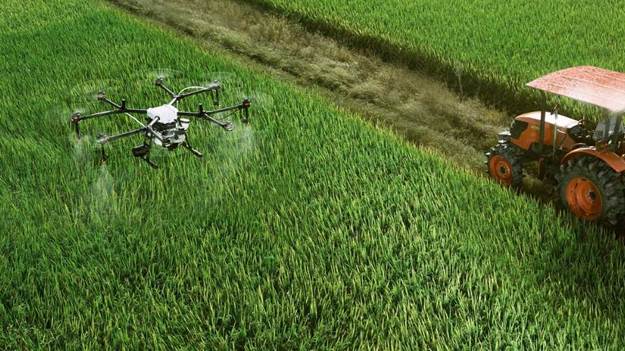
As artificial intelligence (AI) and machine learning (ML) merge with satellite technologies, the potential for predictive farming grows exponentially. These systems will soon forecast crop yields, pest outbreaks, and weather impacts with remarkable accuracy. Integrating IoT-based agriculture tools will also allow seamless communication between sensors, drones, and satellites, creating a fully automated and intelligent farm ecosystem.
Conclusion
In conclusion, satellite agriculture monitoring is redefining how farmers understand and manage their fields. By combining remote sensing, data-driven farming, and advanced analytics, it ensures better crop health, higher yields, and sustainable resource use. This technology not only boosts efficiency but also supports global food security through smarter decisions. As innovation continues to grow, exploring and adopting smart farming solutions will be key to staying competitive and environmentally responsible. Stay updated and explore how satellites can shape the future of modern agriculture.