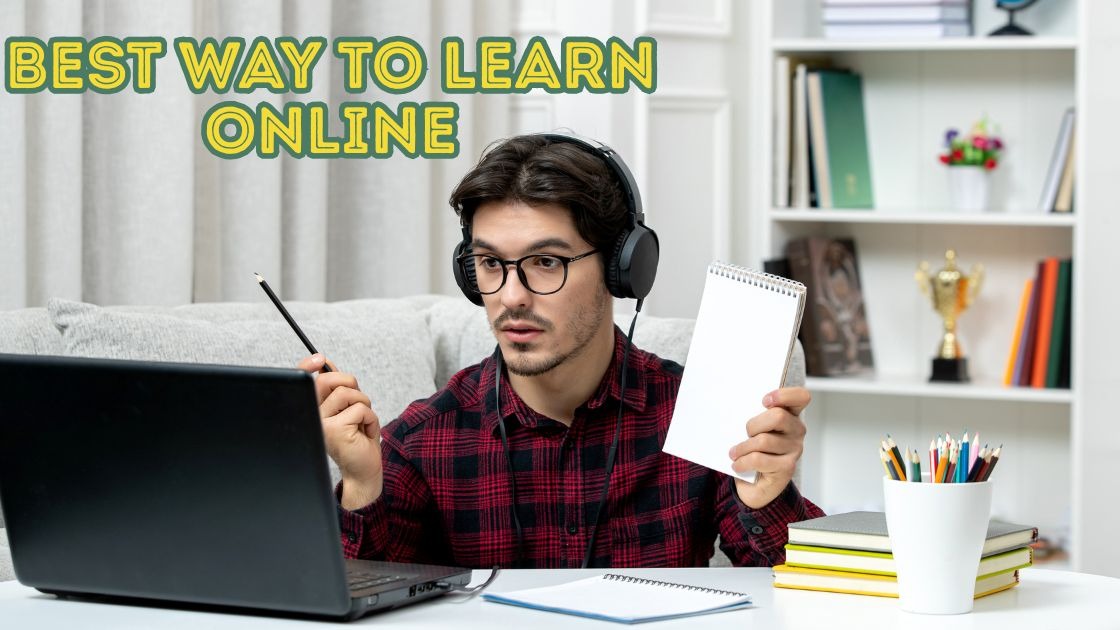
The best way to learn online isn’t the same for everyone and that’s exactly why so many learners struggle to find their footing in digital education. Whether you’re a visual learner who thrives with video tutorials or someone who needs hands-on practice through interactive courses, understanding your personal learning style can transform your entire experience.
In today’s world of e-learning platforms and virtual classrooms, the options can feel overwhelming. But here’s the good news: once you identify how you absorb information best, choosing the right online learning methods becomes much simpler. This article will help you discover your unique learning preferences, explore different self-paced learning approaches, and find practical strategies that actually stick. By the end, you’ll have a clear roadmap for making online education work specifically for you.

Understanding Your Personal Learning Style
Before diving into online courses, it’s essential to understand how you naturally absorb information. The best way to learn online starts with self-awareness about your preferences and strengths.
The Four Main Learning Styles
Most people fall into one or more of these categories:
- Visual learners prefer diagrams, charts, and video content
- Auditory learners benefit from podcasts, lectures, and discussions
- Reading/writing learners excel with text-based materials and note-taking
- Kinesthetic learners need hands-on practice and real-world application
Understanding where you fit helps you choose online courses that match your natural tendencies. When your learning method aligns with your style, retention improves dramatically.
Choosing the Right E-Learning Platform
With hundreds of digital learning options available, selecting the right platform matters more than you might think. The best way to learn online involves matching platform features with your specific needs.
Popular Platform Types to Consider
Video-based platforms like YouTube, Coursera, and Udemy work wonderfully for visual and auditory learners. These offer structured video tutorials that break complex topics into digestible segments.
Interactive platforms such as Codecademy, Duolingo, and Khan Academy provide hands-on exercises. These suit kinesthetic learners who need immediate practice to solidify concepts.
Text-heavy platforms including Skillshare articles, Medium, and traditional online education portals cater to reading/writing learners who prefer comprehensive written materials.
Key Features to Look For
When evaluating any platform, consider these factors:
- Self-paced vs. scheduled learning options
- Community features and peer interaction
- Progress tracking and assessments
- Mobile accessibility for remote learning
- Certificate or credential offerings
Creating an Effective Study Environment
Your physical and digital environment significantly impacts learning success. The best way to learn online requires intentional space design.
Setting Up Your Learning Space
A designated learning space helps your brain switch into focus mode naturally. Keep your space free from distractions and ensure proper lighting. Good study habits begin with environment optimization.
Consider these essentials for your virtual classroom setup:
- Reliable internet connection
- Comfortable seating with proper posture support
- Minimal background noise or quality headphones
- All necessary materials within reach
- A second monitor if working with multiple resources
Managing Digital Distractions
Online study comes with unique challenges. Social media notifications, emails, and endless browser tabs compete for your attention constantly.
Use website blockers during study sessions. Turn off phone notifications. Set specific times for checking messages. These boundaries protect your focus and make self-paced learning far more productive.
Building Sustainable Learning Habits
Consistency beats intensity when it comes to educational technology and skill development. The best way to learn online emphasizes steady progress over cramming sessions.
The Power of Spaced Repetition
Your brain retains information better when you review it at increasing intervals. Many e-learning platforms now incorporate this technique automatically.
Instead of marathon study sessions, try shorter daily practices. Twenty minutes of focused learning each day outperforms three-hour weekend sessions for most people.
Staying Motivated Through Challenges
Distance education requires self-discipline that traditional classrooms provide externally. Without a teacher watching, you must become your own accountability partner.
Set clear, achievable goals for each week. Celebrate small wins along the way. Connect with online communities studying similar topics. These strategies combat isolation and keep motivation high.

Applying What You Learn
Knowledge without application fades quickly. The best way to learn online includes immediate real-world practice.
Practical Application Strategies
Turn passive learning into active skill-building through these methods:
- Start personal projects using new skills immediately
- Teach concepts to others through blogs or videos
- Join online training communities for feedback
- Take on freelance work to test abilities
- Build a portfolio showcasing your progress
Measuring Your Progress
Track your development through regular self-assessments. Many platforms offer quizzes and certifications. Beyond formal testing, notice how confidently you can explain concepts or complete tasks independently.
Skill development happens gradually. Document your journey to see how far you’ve come when motivation wavers.
Conclusion
Finding the best way to learn online ultimately comes down to knowing yourself and choosing methods that fit your unique style. Whether you thrive with video tutorials, prefer interactive courses, or need hands-on practice, the right approach exists for you.
Remember that successful digital learning requires more than just signing up for courses. It demands a proper environment, consistent habits, and real-world application of your new skills. The best way to learn online combines self-awareness with the right tools and genuine commitment to growth. Start small, stay consistent, and watch your knowledge expand over time.