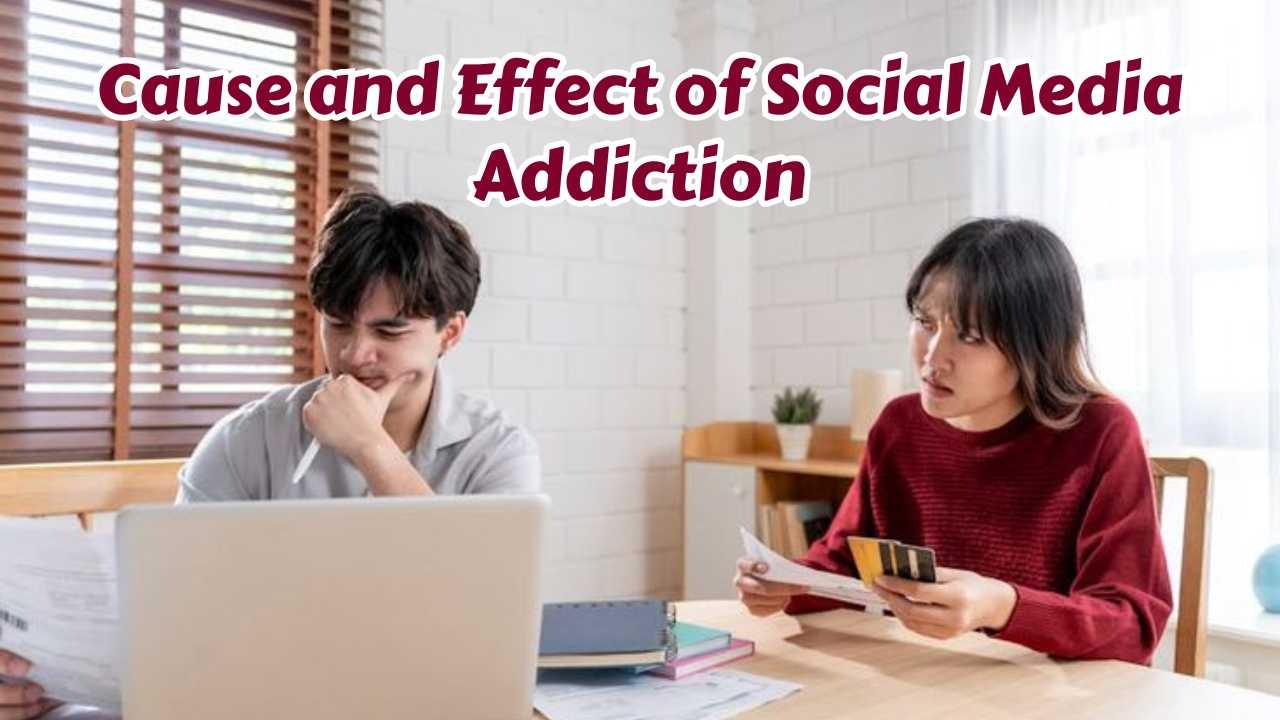
Understanding the cause and effect of social media addiction has become essential in a world where endless scrolling and notifications shape how we think, feel, and connect. As people spend more time online, the lines between healthy use and digital dependency begin to blur.
This article explores why individuals develop these habits, how excessive use impacts emotions and decision-making, and the subtle ways it influences mental well-being, online behavior, digital habits, and emotional health. You’ll also learn how constant online engagement affects relationships, productivity, and overall balance. By the end, you’ll have a clearer picture of what drives this growing issue and what steps can help restore control.
Understanding the Core Meaning
The effect of social media addiction is a growing topic as people spend more time online, shaping how they think, behave, and interact with the world. This concept explores why individuals become dependent on digital platforms and how this dependency influences emotions, actions, and daily routines.
Related Article: Screen addiction: Understanding and managing digital dependency
As platforms evolve, they create patterns that impact digital well-being, online behavior, and mental health impact, leading users toward habits that feel rewarding yet difficult to control. Studying the cause and effect of social media addiction helps clarify how modern life, technology, and emotional needs connect, giving us a clearer understanding of the pressures behind constant checking and scrolling.
Historical Background and Modern Context
Understanding the cause and effect of social media addiction becomes easier when we look at how social networks developed. Early online platforms were created to connect people, but over time, they transformed into highly engaging systems designed to capture attention. Notifications, algorithmic feeds, and endless content all play a role in shaping screen time balance and influencing social media patterns. As mobile devices became more accessible, the cause and effect of social media addiction intensified, making online engagement a natural part of daily life. This shift created new routines and expectations, pushing people to stay constantly connected and engage in virtual engagement that often replaces real-life communication.
Importance of Understanding Addiction Patterns
The cause and effect of social media addiction is important to discuss because digital behavior influences emotional stability, productivity, and relationships. People often turn to platforms for comfort or stimulation, creating cycles that affect emotional wellness and technology dependence. Recognizing these patterns helps individuals understand how their internet habits shape decision-making, mood, and interaction with others. When users acknowledge how these cycles form, they can make better choices that strengthen personal boundaries and improve digital distractions management. This understanding also plays a crucial role in guiding families, educators, and professionals who want to support healthier online routines.
Psychological Causes Behind Excessive Use
Emotional Triggers
Many psychological factors contribute to the cause and effect of social media addiction, such as the desire for approval or the need for constant stimulation. Emotional triggers can encourage people to use social platforms to escape stress, loneliness, or boredom, affecting their attention span issues and increasing dependency.
Common Emotional Drivers
- Seeking validation from likes and comments
- Using platforms to cope with stress or negative emotions
These triggers influence how people relate to online lifestyle and shape the long-term effects of overuse.
Social Triggers
Social influences also shape the cause and effect of social media addiction, especially when people compare their lives with others. Features that highlight achievements and curated images lead to increased social comparison, making users feel pressure to keep up. This pressure strengthens digital habits and encourages patterns that are difficult to break.
Effects on Mental and Emotional Well-Being
The cause and effect of social media addiction has a noticeable influence on emotional and psychological functioning. Spending long hours online may create feelings of anxiety, insecurity, or lack of focus, especially when users struggle to maintain behavioral changes that support healthier habits. Many people experience mood fluctuations linked to online interactions, which shape their understanding of self-worth. Platforms can also spark emotional responses through arguments, misinformation, or unrealistic content, all of which affect digital well-being and emotional balance. Understanding these impacts helps highlight how the cause and effect of social media addiction transforms emotional health in subtle yet meaningful ways.
Impact on Productivity and Daily Routines
It also influences productivity, concentration, and time management. Constant notifications interrupt tasks and reduce efficiency as users shift attention frequently. This pattern creates mental fatigue and intensifies digital distractions, making simple tasks feel overwhelming. People may wake up earlier or stay up late to check updates, affecting sleep quality and increasing dependence on technology dependence patterns. Over time, these routines shift the balance between online and offline life, redefining priorities and weakening long-term focus.
Social and Relationship Effects
Changes in Social Connections
Social platforms make communication easy, but the effect of social media addiction can weaken meaningful relationships.People often devote more time to online interactions instead of building meaningful face-to-face relationships.This reduces intimacy, emotional understanding, and the strength of personal bonds.
Signs of Social Impact
- Reduced face-to-face communication
- Increased emotional distance from close relationships
These changes reveal how digital habits influence online behavior and overall relationship quality.

Challenges in Managing Digital Habits
Understanding the effect of social media addiction also highlights the challenges users face when trying to break harmful patterns. Many platforms are intentionally designed to keep people engaged, making it difficult to reduce usage or set limits. This complicates efforts to improve screen time balance and manage emotional responses. People may struggle to recognize how often they check their phones or how much emotional energy they invest in online interactions. Overcoming these challenges requires awareness, consistent effort, and the ability to develop healthier internet habits that support long-term well-being.
Real-World Examples and Practical Insight
The cause and effect of social media addiction can be seen in everyday life. Students may lose focus during study sessions because of constant notifications, while professionals may find their productivity decreasing due to frequent interruptions. Families may spend dinners scrolling instead of talking. These real-world scenarios demonstrate how deeply digital platforms influence online lifestyle and shape behavior. Observing these patterns helps people understand the broader impact of social media patterns, especially when trying to build healthier routines.
Conclusion
Understanding the cause and effect of social media addiction helps us recognize how online habits shape emotions, relationships, and overall balance. By identifying the triggers behind excessive use and the impact it leaves on mental well-being, digital behavior, and emotional wellness, individuals can make more mindful choices. Addressing the cause and effect of social media addiction encourages healthier routines, stronger boundaries, and improved awareness of how technology influences daily life. With consistent effort, users can regain control and build a more positive, intentional online lifestyle.