Community awareness activities play a vital role in shaping young minds and creating meaningful connections between schools and their surrounding neighborhoods. When students participate in these programs, they develop empathy, social responsibility, and a deeper understanding of the world around them.
Local schools have become powerful platforms for student engagement programs that address real issues affecting families and communities. From health education initiatives to environmental campaigns, these efforts teach children that their voices matter and their actions can create positive change.
This article explores practical and impactful approaches that educators, parents, and administrators can implement to foster civic participation in schools. You will discover proven strategies, inspiring examples, and actionable steps to launch meaningful school outreach initiatives that benefit everyone involved. Whether you are a teacher seeking fresh ideas or a parent wanting to get involved, this guide offers something valuable for you.
Understanding the Role of Schools in Building Stronger Communities
Schools serve as natural hubs for bringing people together. They connect families, educators, local organizations, and students under one roof. When schools actively engage in community awareness activities, they create opportunities for learning that extend far beyond textbooks and classrooms.
These programs help students understand social issues, develop leadership skills, and become responsible citizens. More importantly, they bridge gaps between generations and foster a sense of belonging among all participants.
Why Schools Are Ideal Platforms for Social Engagement
Schools already have established trust within neighborhoods. Parents send their children there daily, making it easier to reach families with important messages. Additionally, schools provide infrastructure, volunteers, and organizational support that independent campaigns often lack.
Students who participate in awareness campaigns in schools gain hands-on experience in problem solving and teamwork. These skills stay with them throughout their lives and careers.
Types of Programs That Create Lasting Impact
Different initiatives address different needs within a community. Choosing the right approach depends on local challenges, available resources, and student interests.
Health and Wellness Initiatives
School health education programs focus on topics like nutrition, mental health, hygiene, and disease prevention. These efforts benefit students and their families alike.
Effective health initiatives include:
- Organizing workshops on healthy eating habits
- Hosting mental health awareness weeks with counselors and speakers
- Conducting vaccination drives in partnership with local clinics
- Teaching basic first aid and emergency response skills
- Creating peer support groups for emotional wellbeing
These programs reduce stigma around sensitive topics and encourage open conversations at home.
Environmental Awareness Campaigns
Teaching children about environmental responsibility creates lifelong habits. Eco-friendly school initiatives inspire families to adopt sustainable practices together.
Popular environmental programs include:
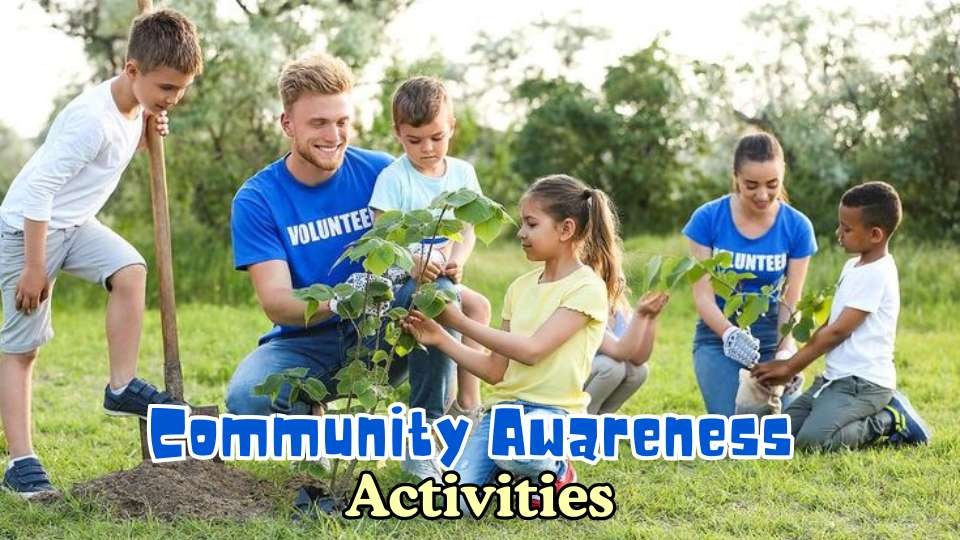
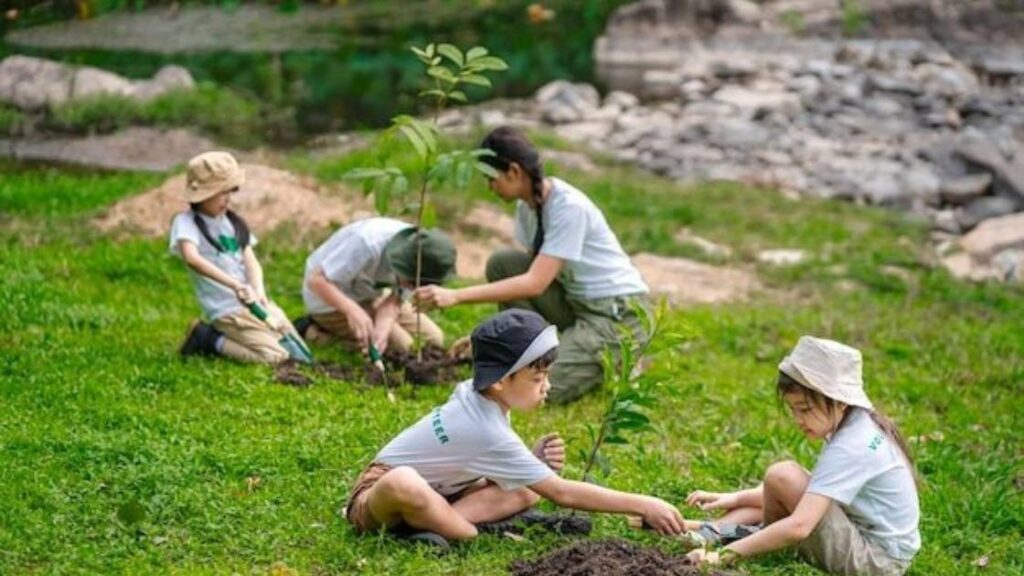
- Tree planting events on school grounds
- Recycling competitions between classrooms
- Clean-up drives in nearby parks and streets
- Water conservation challenges
- Educational sessions about climate change
Students often become advocates at home, encouraging parents to reduce waste and conserve energy.
Safety and Prevention Education
Community awareness activities focused on safety prepare students for real-world challenges. Topics range from road safety to online security and bullying prevention.
Schools can organize:
- Traffic safety demonstrations with local police
- Cyberbullying workshops for students and parents
- Fire safety drills and educational sessions
- Stranger danger awareness for younger children
- Anti-drug and anti-violence presentations
These programs empower children to protect themselves and make informed decisions.
Benefits for Students, Families, and Neighborhoods
The positive effects of student community involvement extend in multiple directions. Everyone connected to the school benefits when these programs succeed.
Academic and Personal Growth
Students who engage in civic learning projects often show improved academic performance. They develop critical thinking skills, better communication abilities, and increased self-confidence.
Research shows that participation in service-oriented activities correlates with higher graduation rates and stronger college applications. Colleges and employers value candidates who demonstrate social responsibility.
Strengthening Family Bonds
When parents participate alongside their children, relationships grow stronger. Shared experiences create lasting memories and open doors for meaningful conversations at home.
Families also gain access to resources and information they might not encounter otherwise. Health screenings, financial literacy workshops, and parenting seminars often accompany these school programs.
Building Neighborhood Trust
Local school outreach efforts break down barriers between different groups within a community. People who might never interact otherwise come together around shared goals.
This collaboration reduces crime, increases civic participation, and creates support networks that help families during difficult times.
Overcoming Common Challenges
Implementing successful community awareness activities requires careful planning and dedication. Schools often face obstacles that can derail even well-intentioned programs.
Limited Resources and Funding
Many schools operate on tight budgets. Partnering with local businesses, nonprofits, and government agencies can provide necessary funding and supplies. Grant applications specifically support educational community partnerships in underserved areas.
Low Participation Rates
Some families struggle to attend events due to work schedules or transportation issues. Offering programs at varied times, providing childcare, and hosting events in accessible locations increases involvement.
Measuring Success
Tracking outcomes helps schools improve future programs. Surveys, attendance records, and follow-up assessments provide valuable data about what works and what needs adjustment.
Conclusion
Community awareness activities in schools create powerful opportunities for growth, connection, and positive change. When students participate in health initiatives, environmental campaigns, and safety programs, they develop essential life skills while contributing to their neighborhoods.
These efforts strengthen family engagement in education and build trust among diverse groups. Schools that prioritize student civic engagement prepare young people to become responsible, compassionate adults.
The benefits extend far beyond the classroom. By investing in community awareness activities today, we shape future leaders who understand the value of service and collaboration. Every school has the potential to make a real difference.