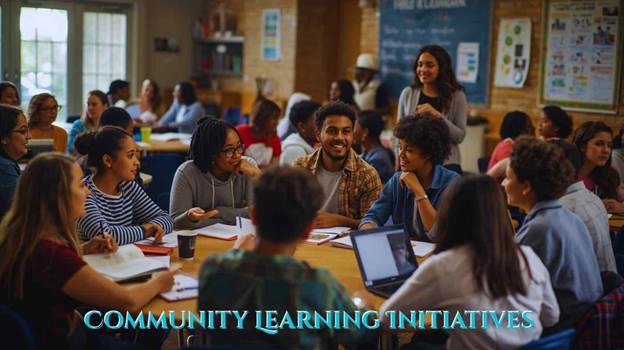
Community learning initiatives play a vital role in bringing people together to share knowledge, develop skills, and solve local challenges. These programs encourage collaboration, support lifelong education, and strengthen social bonds. In many neighborhoods, learning does not only take place in schools; instead, it happens through workshops, local gatherings, volunteer groups, and cultural exchange programs. These efforts create opportunities for individuals of all ages to grow, connect, and contribute to a more informed and empowered society.
Throughout this article, we will explore how these initiatives work, why they are important, and how they positively influence personal and community development. We will also look at strategies that encourage community engagement and social development that benefit everyone.
Understanding Community Learning Initiatives
Community learning initiatives refer to organized efforts that encourage people within a society to learn from one another, develop new abilities, and work collectively for mutual growth. These programs support lifelong learning, create inclusive spaces for skill-building, and promote stronger relationships within neighborhoods.
Definition and Core Concept
These initiatives are educational activities that take place outside traditional classrooms. They include workshops, cultural events, reading circles, volunteer projects, and training sessions designed to help individuals of different age groups learn and share skills in a comfortable environment.
Key Features
- Easily accessible learning opportunities
- Participation based on interest rather than academic requirement
- Focus on local issues and real-life problem-solving
- Encouragement of collaboration and shared responsibility
Background and Historical Development
The idea of learning together in community spaces is rooted in traditional cultures where knowledge was shared through storytelling, apprenticeships, and informal education. With the rise of formal schooling, these shared learning practices became less common. However, in recent years, technological advancement, social change, and community-building movements have renewed interest in shared learning environments.
Evolution Over Time
- Traditional societies relied on oral teaching and experiential learning
- Industrialization shifted attention toward formal schools and structured curricula
- Today, there is a growing blend of adult education, online learning, and neighborhood-based workshops
Importance of Community Learning Initiatives
Strengthening Social Bonds
These initiatives encourage communication and trust among community members. People learn to understand different perspectives and cultural backgrounds, promoting social development and cooperation. This creates a more united and supportive community atmosphere.
Example of Social Benefits
- Neighborhood book clubs encouraging meaningful discussions
- Local art groups celebrating shared creativity
- Intergenerational mentorship programs building respect and connection
Supporting Personal Growth
Local learning efforts help individuals explore interests, discover new talents, and develop self-confidence. Learning becomes meaningful because it is interactive, encouraging, and connected to real everyday experiences.
Personal Benefits
- Enhanced problem-solving abilities
- Stronger emotional and social intelligence
- Improved teamwork, decision-making, and communication skills
Benefits of Community Learning Initiatives
Enhanced Skill Development
These programs support skill development for personal, academic, and professional needs. Participants gain abilities that help them succeed in daily life, education, employment, and social interactions.
Types of Skills Learned
- Leadership and communication abilities
- Digital literacy and technology usage
- Creative and artistic expression
- Financial awareness and budgeting skills
Encouraging Local Empowerment
By learning together, individuals gain knowledge and confidence to address challenges in their community. This leads to local empowerment and positive collective action.
How Empowerment Happens
- Community members recognize shared challenges
- Group discussions support collaborative problem-solving
- Collective action improves neighborhood development
Challenges Faced by Community Learning Initiatives
Limited Resources and Funding
Many programs depend on volunteers, donations, or public support. Without sustainable funding, maintaining materials, space, and trained facilitators becomes difficult.
Examples of Resource Needs
- Educational materials and supplies
- Skilled mentors or instructors
- Safe, accessible community centers
Lack of Participation and Awareness
Some community members may be unaware of available programs, feel shy to participate, or believe they lack the necessary experience to join.
Ways to Improve Participation
- Promote activities through social media or community notice boards
- Create welcoming and supportive learning environments
- Offer flexible timing and free or affordable participation options

Real-World Examples of Successful Community Learning Efforts
Neighborhood Skill Workshops
Small skill workshops teach practical abilities like cooking, painting, public speaking, or basic computer knowledge. These workshops encourage creativity and confidence in participants while helping them connect socially.
Youth and Senior Learning Exchanges
Programs where young people teach seniors how to use smartphones or computers, while seniors share life lessons, cultural traditions, and experience-based knowledge. This promotes collaborative learning across age groups.
Community Libraries and Cultural Centers
Public libraries and cultural centers provide reading sessions, storytelling events, discussion forums, and creative arts programs. These spaces offer learning opportunities for all ages without financial barriers.
Strategies to Improve Effectiveness of These Initiatives
Using Technology to Extend Access
Digital platforms allow people to participate even when they cannot attend in-person sessions. Videos, online discussion groups, and virtual workshops help expand reach.
Benefits of Technology Integration
- Easier communication across age and location barriers
- Opportunities to learn at home or on flexible schedules
- Support for blended learning that combines online and face-to-face activities
Encouraging Community Leadership and Volunteerism
Strong leadership from local residents helps maintain interest and trust. Volunteers can support program management, teach skills, and motivate participation.
Leadership Development Ideas
- Identify individuals who enjoy helping others
- Offer small training sessions on organizing community events
- Celebrate contributions through appreciation gatherings
Building Partnerships with Local Organizations
Collaboration with schools, NGOs, small businesses, and cultural groups can provide additional resources, guidance, and participants.
Partnership Advantages
- Access to funding or sponsorship
- Shared learning materials and facilities
- Increased awareness and outreach impact
Conclusion
Community learning initiatives play a meaningful role in encouraging shared knowledge, personal growth, and strong social connections. Through skill-building workshops, cultural activities, and collaborative programs, people of all ages are able to learn, support one another, and contribute to positive local development. These efforts help build confidence, promote unity, and inspire active participation within neighborhoods. To continue growing stronger communities, it is important to stay involved, support local educational efforts, and explore new opportunities for learning together. Keep engaging, keep learning, and keep contributing to a brighter future.