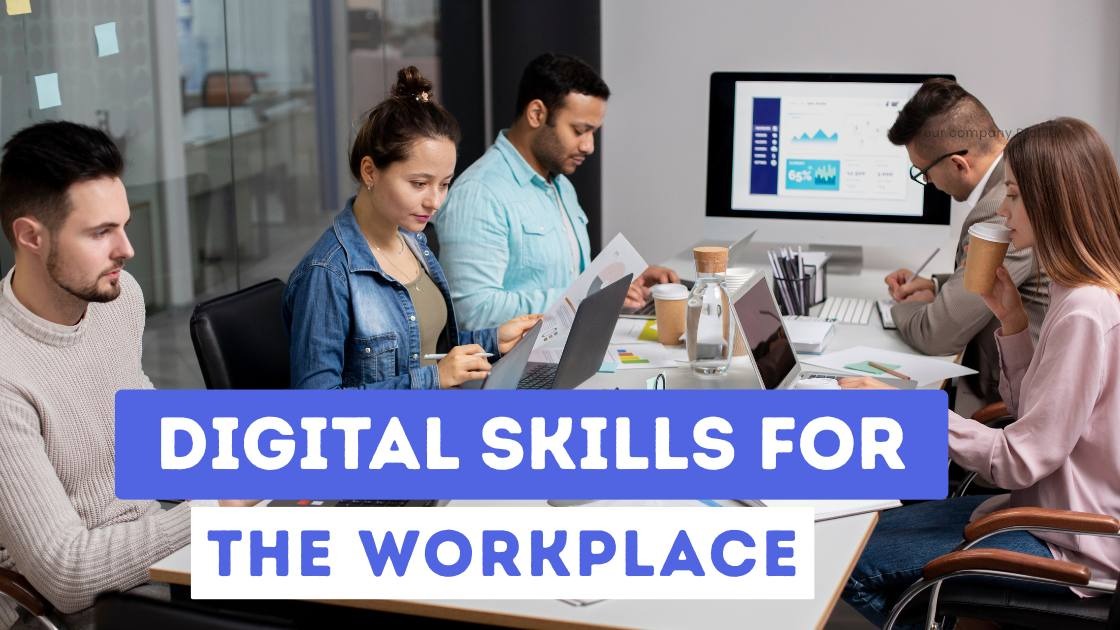
In today’s fast-changing work environment, digital skills for the workplace have become essential for career growth and long-term success. As organizations rely more on technology, professionals are expected to adapt quickly, communicate effectively online, and use digital tools with confidence. From managing daily tasks to collaborating with remote teams, these abilities now influence productivity and employability.
This article explores why digital competence matters in modern jobs and highlights the key areas employees should focus on. You will learn how technical skills, workplace technology, communication skills, problem-solving skills, and career development play a vital role in staying competitive and future-ready. By understanding these concepts, readers can take practical steps to improve performance and succeed in today’s digital-first work culture.
Understanding Digital Skills in the Modern Workplace
Digital skills for the workplace refer to the abilities employees need to use technology effectively in daily job tasks. These skills go beyond basic computer knowledge and include using digital tools, platforms, and systems to communicate, analyze information, and solve problems. In today’s professional environment, digital skills for the workplace support smoother workflows, better decision-making, and stronger collaboration. They are closely linked with technical skills, workplace technology, and digital literacy, which help individuals adapt to changing job requirements and organizational goals.
Background and Evolution of Workplace Technology
The evolution of workplace technology has transformed how people work and interact. Earlier, most jobs required manual record-keeping and face-to-face communication. With the rise of computers, the internet, and cloud systems, workplaces became faster and more connected. Over time, digital skills for the workplace gained importance as companies introduced automation, remote work tools, and data-driven processes. This shift increased the demand for IT skills, online communication, and productivity tools, making digital competence a core requirement rather than an optional advantage.
Key Categories of Digital Skills
Technical and Operational Capabilities
Technical and operational capabilities allow employees to handle job-specific tools and systems confidently. These abilities help professionals complete tasks accurately and efficiently using modern software and platforms.
Common Technical Skill Areas
•Data management and basic analysis
•Use of office and productivity tools
•Understanding digital platforms and systems
These areas support problem-solving skills and enable individuals to contribute effectively in technology-driven environments.
Communication and Collaboration Skills
Strong communication is essential in digital workplaces, especially with remote and hybrid teams. Employees must know how to communicate clearly using online platforms while maintaining professionalism.
Digital Communication Tools
Email, instant messaging, and virtual meetings are now core workplace features. Digital skills for the workplace help employees use these tools responsibly, ensuring clarity and collaboration. These skills also strengthen communication skills and encourage teamwork across departments and locations.
Importance of Digital Skills for Career Growth
Digital competence plays a key role in career development and job stability. Employers often look for candidates who can adapt to new technologies and work efficiently in digital environments.
Professional Relevance in Modern Jobs
In many industries, digital tools are central to daily operations. Professionals with strong digital skills for the workplace are more likely to handle complex tasks, meet deadlines, and support innovation. These skills also improve confidence when learning new systems, making employees more valuable to their organizations.
Connection to Lifelong Learning
Technology continues to evolve, requiring continuous learning. Employees who build strong foundations in digital literacy and workplace technology find it easier to update their skills. This mindset supports long-term career development and keeps professionals competitive in changing job markets.
Benefits for Employees and Organizations
Developing digital capabilities benefits both individuals and businesses. For employees, these skills improve efficiency, accuracy, and job satisfaction. For organizations, they enhance productivity and innovation.
1.Workplace Advantages
•Faster and more efficient task completion
•Improved collaboration and teamwork
•Better decision-making using digital data
With strong digital skills for the workplace, teams can work smarter and respond quickly to business challenges.
Challenges in Developing Digital Skills
Despite their importance, many professionals face challenges when building digital capabilities. Limited access to training, lack of confidence, and fear of change can slow progress.
Addressing Skill Gaps
Organizations must support learning through training programs and mentorship. Employees should also take responsibility for improving their technical skills and problem-solving skills through practice and continuous learning. Overcoming these challenges helps create a more adaptable and future-ready workforce.

Practical Examples in Everyday Work Situations
Real-world examples show how digital competence improves workplace performance. An employee using data tools to track project progress can identify issues early and suggest solutions. A team using collaboration platforms can share updates instantly, reducing delays.
Real-Life Application Scenarios
In customer service roles, digital systems help manage client information efficiently. In management positions, digital dashboards support informed decision-making. These examples highlight how digital skills for the workplace directly impact efficiency, communication, and results across different roles and industries.
By understanding definitions, history, importance, benefits, challenges, and real-life use cases, professionals can see how digital competence shapes modern work environments and supports long-term success.
conclusion
In conclusion, digital skills for the workplace are no longer optional but essential for success in today’s professional environment. From understanding modern workplace technology to improving communication skills and problem-solving skills, these abilities support productivity and career growth. Strong technical skills help employees adapt to change and perform tasks more effectively. By continuously improving digital literacy and focusing on career development, professionals can stay competitive, confident, and prepared for future opportunities in an increasingly technology-driven world.