Environmental awareness for students has become more critical than ever as our planet faces unprecedented ecological challenges. From rising temperatures to pollution and deforestation, young minds must understand the impact humans have on nature.
Today’s students are tomorrow’s leaders, decision-makers, and change-agents. When they develop a strong sense of environmental education early on, they are better equipped to make responsible choices that protect our ecosystems. Schools and communities play a vital role in nurturing eco-friendly habits and promoting sustainability practices among the younger generation.
This article explores why understanding environmental issues matters for students, how it shapes their future, and practical ways educators and parents can encourage green thinking. Whether you’re a teacher, parent, or student yourself, this guide will help you understand how small actions today can create a healthier planet for generations to come.
Understanding Environmental Awareness and Its Significance
Environmental awareness for students refers to understanding how human actions impact nature and recognizing the importance of protecting our planet. It involves learning about ecosystems, pollution, climate change, and natural resource conservation.
When young people grasp these concepts early, they develop a mindset that values sustainability and responsible living. This knowledge empowers them to make informed decisions that benefit both themselves and the world around them.
A Brief History of Environmental Education
The concept of environmental education gained momentum in the 1970s when governments and organizations recognized the need to teach future generations about ecological issues. The first Earth Day in 1970 marked a turning point in global climate change awareness.
Since then, schools worldwide have incorporated green topics into their curricula. Today, environmental awareness for students is not just an optional subject but a necessity for building a sustainable future.
The Importance of Teaching Ecological Responsibility
Building Responsible Future Citizens
Students who understand environmental issues grow into adults who make thoughtful choices. They are more likely to support green initiatives, reduce waste, and advocate for policies that protect natural resources.
Environmental awareness for students helps them see the connection between daily habits and larger global problems. Simple actions like recycling, conserving water, and reducing plastic use become second nature when taught from a young age.
Creating a Healthier Planet
When young people engage in nature conservation efforts, the collective impact is significant. Schools that promote eco-friendly habits contribute to cleaner communities and healthier ecosystems.
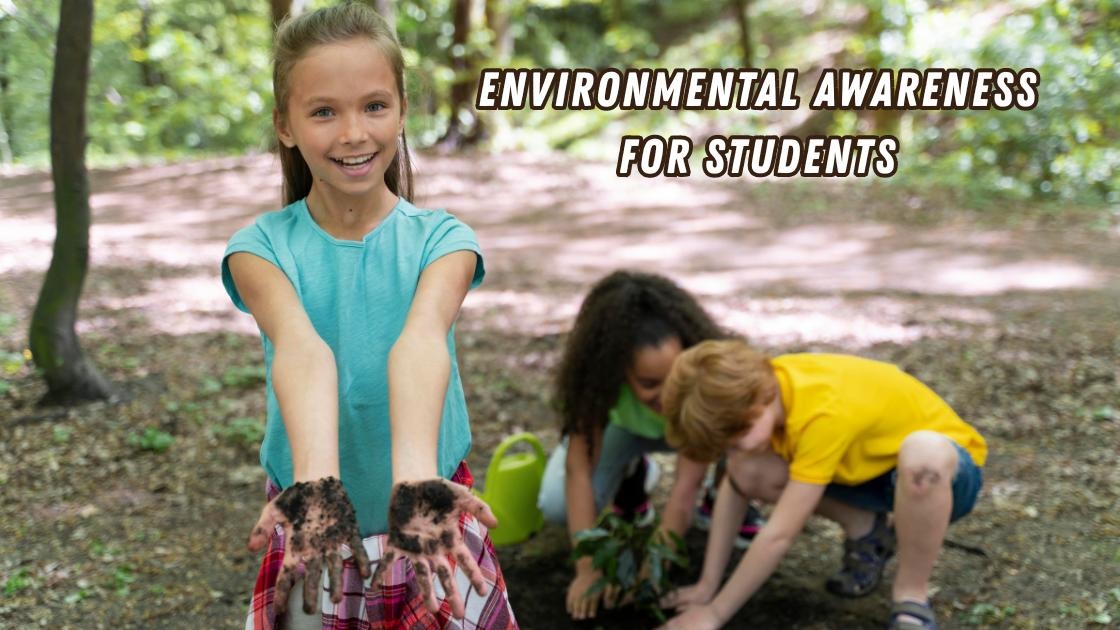
Students who participate in tree planting, clean up drives, and energy saving projects develop a personal stake in protecting the environment. This hands on experience reinforces classroom learning and makes abstract concepts tangible.
Key Benefits of Environmental Awareness for Students
Teaching environmental awareness for students offers numerous advantages that extend beyond the classroom.
- Critical Thinking Skills: Students learn to analyze environmental problems and develop creative solutions. They evaluate information, consider multiple perspectives, and make evidence based decisions.
- Health and Wellbeing: Understanding pollution and its effects encourages students to make healthier lifestyle choices. They become more conscious of air quality, food sources, and physical activity outdoors.
- Career Opportunities: Growing interest in sustainable living has created new job markets. Students with environmental knowledge are better prepared for careers in renewable energy, conservation, and environmental science.
- Community Engagement: Environmentally aware students often inspire their families and neighbors to adopt greener practices. They become ambassadors for positive change in their communities.
Challenges in Promoting Environmental Education
Limited Resources and Training
Many schools lack the funding and materials needed to implement comprehensive environmental protection programs. Teachers may not receive adequate training to deliver engaging lessons on ecological topics.
Competing Academic Priorities
With pressure to meet standardized testing requirements, environmental topics sometimes take a back seat. Schools must find ways to integrate environmental awareness for students into existing subjects without overwhelming the curriculum.
Overcoming Misinformation
Students are exposed to conflicting information about climate change and environmental issues. Teaching them to identify credible sources and think critically is essential for combating misinformation.

Practical Examples of Green Initiatives in Schools
Schools around the world are finding innovative ways to promote ecological responsibility among students.
- School Gardens: Growing vegetables and flowers teaches students about ecosystems, food production, and patience. It connects them directly to nature.
- Recycling Programs: Setting up classroom recycling stations encourages students to sort waste properly and understand the importance of reducing landfill contributions.
- Energy Audits: Students can conduct audits to identify ways their school can save electricity and water. This practical exercise builds problem solving skills.
The Role of Technology in Environmental Learning
Digital tools and apps make learning about environmental awareness for students more interactive and engaging. Virtual field trips, online simulations, and educational games help students explore environmental concepts in exciting ways.
Social media platforms also allow young people to connect with global environmental movements and share their own sustainability practices with peers worldwide.
Moving Forward With Purpose
Environmental awareness for students is not just about teaching facts. It is about inspiring action and cultivating a generation that genuinely cares about the planet. When schools, parents, and communities work together, they create an environment where young people thrive as responsible stewards of nature.
Conclusion
Environmental awareness for students is no longer optional but essential in shaping a better tomorrow. By teaching young people about ecological responsibility and sustainable living, we equip them with the knowledge and values needed to protect our planet.
From understanding climate issues to practicing eco-friendly habits, students who embrace environmental education become powerful agents of change. Schools, families, and communities must continue working together to nurture this awareness.
When we invest in environmental awareness for students today, we secure a healthier, greener future for generations to come. The time to act is now.