Environmental education activities play a vital role in helping individuals, especially young learners, understand the relationship between human actions and the natural world. Today, as environmental challenges continue to rise, teaching people how to care for nature has become more important than ever. These activities encourage hands-on learning, promote curiosity, and inspire responsible behavior toward our surroundings.
This article will explore various ways to engage students and communities in meaningful learning experiences that connect them with the environment. From outdoor exploration to creative classroom tasks, these approaches aim to build awareness, responsibility, and long-term care for the planet. Along the way, we will also highlight the significance of sustainability awareness, eco-friendly practices, and nature conservation to support a greener future for everyone.
Understanding Environmental Education Activities
Definition and Core Meaning
Environmental education activities refer to structured learning experiences designed to help individuals understand the natural world and the impact of human actions on it. These experiences may take place indoors or outdoors and are aimed at building awareness, responsibility, and care for the planet. By participating in such activities, learners gain knowledge and develop values that encourage protection and improvement of the environment. They serve as a bridge between theoretical lessons and real-life experiences.
Background and Historical Development
The idea of teaching people about nature and sustainability has existed for centuries. However, it began gaining global recognition in the mid-20th century when increasing pollution and habitat destruction raised concerns about the future of the Earth. Organizations, educators, and governments recognized that awareness had to start at the community level. As a result, schools and institutions started integrating sustainability awareness and eco-friendly practices into lessons. Today, these programs continue to expand as environmental issues become more urgent.
Importance and Benefits of Environmental Learning
Why It Matters?
Environmental learning plays an essential role in shaping responsible global citizens. It teaches people how ecosystems function and how daily behaviors contribute to either the destruction or preservation of natural resources. Through meaningful experiences, learners develop a stronger emotional and practical connection to nature.
Key Benefits
Environmental education activities offer several advantages:
•Improves understanding of global environmental issues
•Encourages critical thinking and problem-solving
•Strengthens emotional connection to nature
•Promotes responsible habits and nature conservation
•Encourages teamwork and community involvement
•Supports mental well-being through outdoor engagement
Long-term Impact
The long-term impact includes creating communities that value sustainability and make informed decisions. Individuals who participate in these programs are more likely to support environmental laws, adopt greener lifestyles, and influence others positively.
Challenges in Implementing Environmental Programs
Common Barriers
Despite the benefits, certain challenges limit the effectiveness of environmental education activities.
•Limited funding and educational resources
•Lack of accessible outdoor learning spaces
•Inadequate teacher training
•Competing academic priorities in school systems
Overcoming These Challenges
Addressing these barriers requires combined efforts from educators, policy-makers, and community organizations. Funding support, professional development, and community partnerships can strengthen the quality and reach of environmental programs.
Practical Examples and Approaches
Outdoor-Based Activities
Outdoor activities offer hands-on experiences that allow participants to directly connect with nature.
Nature Walks and Observation
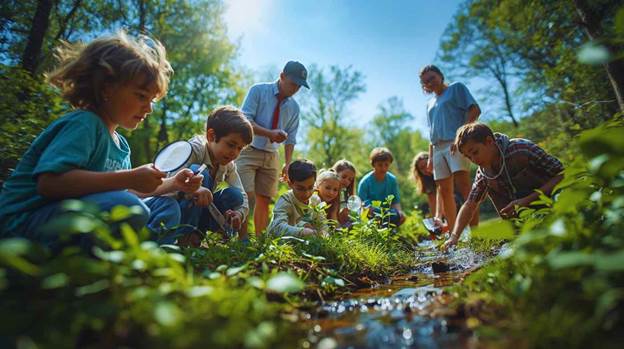
Simple nature walks encourage students to explore plants, animals, and natural features. They learn to observe, record, and analyze changes in their surroundings. This builds environmental curiosity and awareness.
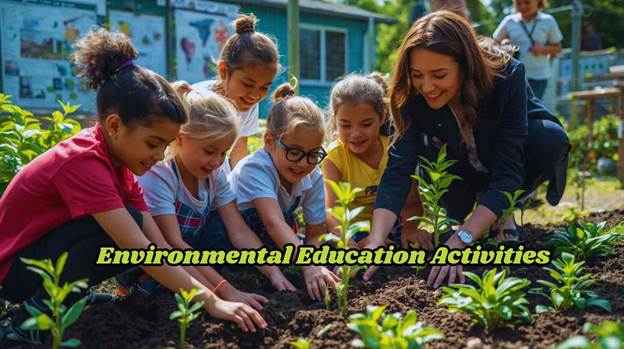
Establishing School and Community Gardens
Gardens teach students how natural processes work. They learn about soil, water, composting, and plant growth. These activities encourage teamwork and responsibility while promoting eco-friendly practices.
Classroom and Indoor Learning Approaches
Not all learning must occur outdoors. Many meaningful experiences can be integrated into classroom-based lessons.
Project-Based Learning Activities
Project-based learning allows students to research environmental issues, present case studies, and propose solutions. For example:
•Researching endangered species
•Designing waste-reduction strategies
•Studying water pollution sources in local communities
Creative Art and Media Expression
Art activities connect personal creativity with environmental responsibility. Examples include:
•Designing posters on recycling
•Creating nature-inspired artwork
•Writing poems or stories about the environment
These projects make learning enjoyable while reinforcing key messages.
Role of Community and Family in Environmental Learning
Encouraging Community Involvement
Community involvement greatly enhances the impact of environmental education activities. Collaboration between schools, families, and environmental organizations creates a supportive learning environment. Communities can participate through:
•Local clean-up campaigns
•Tree planting drives
•Wildlife conservation workshops
Developing Supportive Home Habits
Families can encourage environmental awareness at home by practicing recycling, reducing waste, and conserving energy. Children learn best when values are reinforced through everyday habits.
Conclusion
Environmental education activities are essential for building awareness, responsibility, and a deeper connection to the natural world. By involving learners in practical experiences, these activities encourage thoughtful decision-making and long-term care for the environment. Whether through outdoor exploration or creative classroom projects, environmental education activities help shape communities that value sustainability and positive change. To continue strengthening this impact, educators, families, and communities must work together and stay committed to learning and taking action. Keep exploring new ideas and stay engaged in creating a greener, healthier future.