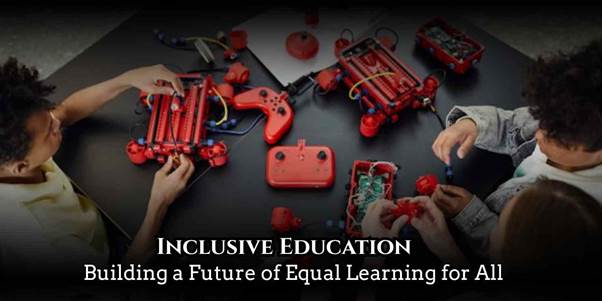
The flaws in education system structures worldwide continue creating barriers that prevent millions of learners from reaching their full potential. Despite decades of reform efforts, fundamental problems persist within institutions designed to prepare future generations for success.
This article examines critical systemic inequities embedded within educational frameworks that undermine cognitive development across diverse populations. You will discover how standardized testing obsessions, curriculum rigidity, and outdated pedagogical approaches perpetuate achievement gaps rather than closing them.
We analyze the relationship between educational failures and diminished socioeconomic mobility affecting communities for generations. From resource allocation disparities to assessment methodologies that ignore individual learning differences, flaws in education system designs demand urgent attention.
Prepare to understand why traditional models fail modern learners and what transformative solutions evidence based research supports for meaningful change.

Understanding Structural Deficiencies in Modern Education
The flaws in education system frameworks extend far beyond surface level problems into deeply embedded structural failures affecting millions of learners globally. These deficiencies represent systematic patterns rather than isolated incidents occurring randomly across institutions.
Educational structures established during industrial era requirements continue operating despite dramatically changed workforce demands and technological capabilities. Recognizing these structural problems constitutes the first step toward meaningful reform addressing root causes rather than symptoms.
Historical Origins of Educational Dysfunction
Educational institutions evolved during periods requiring standardized worker preparation for factory employment. This historical context explains why current structures emphasize conformity and schedule adherence over intellectual curiosity.
Industrial Revolution Influences
The factory model of education emerged during the nineteenth century when economies demanded literate workers capable of following instructions precisely. Schools adopted assembly line principles grouping students by age and measuring progress through uniform assessments.
Flaws in education system designs became apparent as economies transitioned toward knowledge work requiring creativity and adaptability. However, institutional inertia prevented structural modifications matching changed requirements.
Twentieth Century Expansion Without Reform
Mass education expansion during the 1900s replicated existing models without questioning underlying assumptions. More students accessed schooling but received instruction through unchanged methodologies developed for different purposes.
Standardized testing proliferated as accountability mechanisms despite mounting evidence questioning validity for measuring meaningful learning outcomes.
Critical Problems Undermining Student Success
Modern educational structures contain multiple interconnected problems requiring comprehensive analysis. Understanding these issues enables targeted intervention strategies addressing root causes effectively.
Assessment Obsession and Teaching Limitations
The flaws in education system assessment approaches create perverse incentives distorting instructional priorities. Teachers increasingly focus on test preparation rather than deep learning experiences developing transferable competencies.
The following problems characterize current assessment practices:
- Standardized tests measure narrow skill sets while ignoring creativity and critical thinking abilities
- High stakes consequences pressure educators toward teaching test content rather than broader goals
- Assessment frequency consumes instructional time better devoted to meaningful learning experiences
- Testing anxiety undermines student performance particularly among disadvantaged populations
- Numeric scores reduce complex human development to simplistic metrics hiding important indicators
These assessment flaws perpetuate systemic inequities by advantaging students from privileged backgrounds with greater preparation resources.
Curriculum Rigidity and Relevance Gaps
Flaws in education system curriculum development create disconnection between classroom content and real world applications. Students question relevance when subjects appear detached from their lives and future aspirations.
Prescribed curricula leave minimal flexibility for addressing student interests or current events. Teachers follow mandated sequences regardless of learner engagement or demonstrated mastery levels.
Socioeconomic Impacts of Educational Failures
Educational deficiencies produce cascading consequences affecting individual life trajectories and community prosperity across generations. The relationship between school quality and economic opportunity demonstrates reform urgency.
Perpetuating Inequality Cycles
Flaws in education system funding mechanisms concentrate resources within already advantaged communities while undeserving populations requiring greatest support. Property tax based funding ensures wealthy districts maintain superior facilities and experienced teachers.
Students from disadvantaged backgrounds face compounding obstacles including larger class sizes and outdated materials. These disparities translate into achievement gaps widening throughout educational careers.
Socioeconomic mobility decreases when educational quality depends upon family circumstances rather than student potential. Talented individuals from poor communities face systematic barriers limiting advancement regardless of ability.
Workforce Preparation Failures
Employers consistently report graduates lacking essential competencies despite credential completion. Flaws in education system preparation approaches prioritize content memorization over skill development applicable across employment contexts.
Communication abilities and problem solving aptitude receive insufficient attention within curricula emphasizing factual recall. Graduates enter workplaces unprepared for challenges requiring adaptive thinking.

Global Perspectives on Educational Challenges
Educational problems manifest differently across national contexts while sharing common underlying patterns. Examining international variations reveals both universal challenges and culturally specific factors.
Developing Nation Resource Constraints
Many countries lack basic infrastructure supporting quality education including adequate facilities and trained teachers. Flaws in education system development within these contexts reflect resource limitations rather than philosophical disagreements.
Girls face particular barriers in regions where cultural norms discourage female education. Geographic isolation compounds access challenges for rural populations.
Developed Nation Complacency
Wealthy nations often assume educational adequacy based upon resource availability while ignoring outcome disparities. International comparisons reveal concerning performance gaps when controlling for expenditure levels.
Some nations achieve superior outcomes with comparable resources suggesting structural factors beyond funding determine effectiveness.
Pathways Toward Meaningful Reform
Addressing flaws in education system frameworks requires comprehensive strategies targeting multiple problem dimensions simultaneously. Isolated interventions produce limited impact when surrounding structures remain unchanged.
Evidence based reforms emphasize personalized learning approaches, authentic assessment methods, and curriculum relevance. Technology integration enables individualization previously impossible within traditional classroom constraints.
Teacher empowerment through reduced bureaucratic burden correlates with improved student outcomes across diverse contexts. Trusting educators to make instructional decisions produces better results than prescriptive mandates.
Community engagement ensures reforms reflect local priorities and cultural values rather than imposing standardized solutions ignoring contextual differences. Meaningful change requires sustained commitment from all stakeholders invested in educational excellence.
Conclusion:
The flaws in education system structures demand urgent attention from policymakers, educators, and communities worldwide. Throughout this analysis, we examined how standardized testing obsessions, curriculum rigidity, and funding disparities perpetuate systemic inequities affecting student outcomes across generations.
Addressing flaws in education system frameworks requires comprehensive reform strategies emphasizing personalized learning, authentic assessment methods, and equitable resource allocation. Socioeconomic mobility depends upon dismantling barriers preventing talented individuals from reaching their potential regardless of background.
Evidence based interventions and community engagement offer pathways toward meaningful transformation. The future prosperity of societies depends upon creating educational structures that nurture cognitive development and prepare all learners for success.