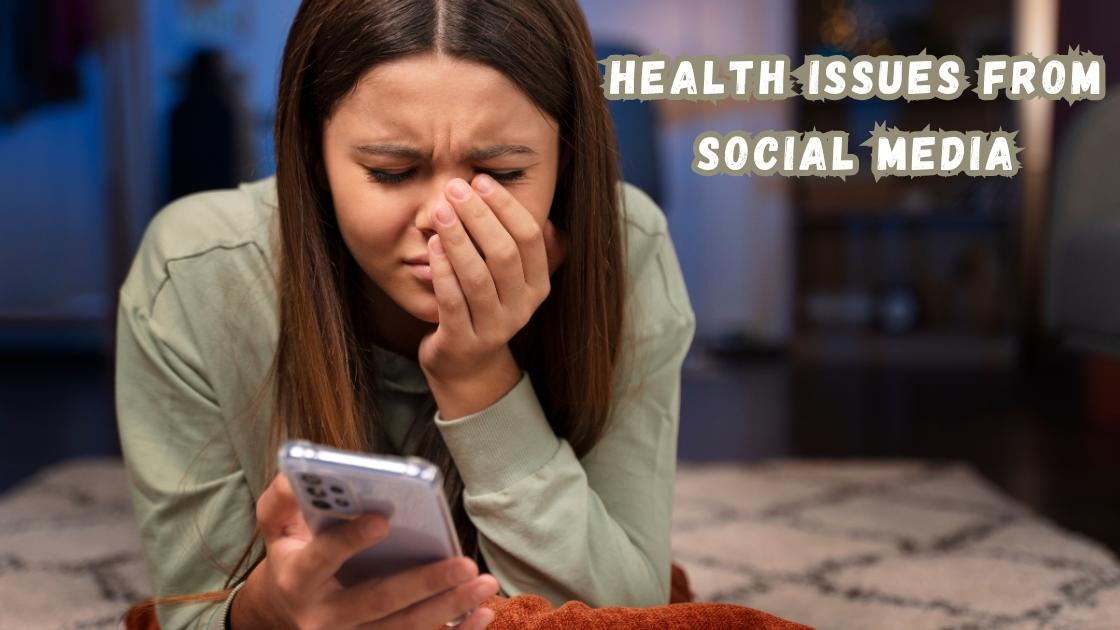
Health issues from social media have become a growing concern as millions of people spend countless hours scrolling through their feeds daily. Recent studies now confirm what experts have long suspected excessive use of digital platforms is taking a significant toll on our physical and mental health effects. From increased anxiety and depression to disrupted sleep patterns, the consequences are alarming.
This article explores groundbreaking research that highlights the serious risks associated with social media addiction and prolonged screen time. We will examine how platforms designed to keep us engaged may actually harm our well-being. Additionally, you will discover practical strategies for achieving better digital wellness while staying connected. Whether you are a concerned parent or someone struggling to unplug, understanding these findings could help protect your health in our increasingly connected world.
Understanding the Connection Between Digital Platforms and Your Well-Being
The relationship between online platforms and personal wellness has become a major topic of discussion worldwide. Health issues from social media are no longer just speculation. Scientists and medical professionals have gathered substantial evidence showing how excessive digital consumption affects both mind and body.
What Does the Research Actually Say?
Recent studies from leading universities and health organizations paint a concerning picture. According to research published in major medical journals, individuals who spend more than three hours daily on digital platforms face significantly higher risks of developing mental health problems. The psychological impact extends beyond simple mood changes to include serious conditions requiring professional intervention.
The Rise of Digital Platform Usage
Over the past decade, the average screen time has increased dramatically. What started as a simple way to connect with friends has evolved into an all-consuming habit for many users. Today, the average person checks their phone over 150 times per day. This constant connectivity creates a perfect storm for developing health issues from social media exposure.
Common Physical and Mental Health Concerns
Anxiety and Depression Rates Are Climbing
One of the most documented health issues from social media involves increased rates of anxiety and depression. Research shows that:
- Users who frequently compare themselves to others online report 60% higher depression rates
- Constant notification checking triggers stress hormones in the body
- Fear of missing out creates persistent anxiety that disrupts daily functioning
The emotional well-being of young adults has declined significantly since the widespread adoption of these platforms. Teenagers are particularly vulnerable because their brains are still developing.
Sleep Disruption and Its Consequences
Sleep disorders represent another serious concern linked to excessive platform use. The blue light emitted from screens suppresses melatonin production. Additionally, engaging content keeps users awake far past their intended bedtime. Poor sleep quality then contributes to weight gain, weakened immunity, and cognitive decline.
The Threat of Cyberbullying
Cyberbullying has emerged as a devastating problem affecting millions of users. Unlike traditional bullying, online harassment follows victims everywhere. This constant exposure to negativity creates lasting psychological damage and has been linked to increased suicide rates among teenagers.
Why These Findings Matter for Everyone
Impact on Younger Generations
Children and teenagers face the greatest risks from health issues from social media overuse. Their developing minds are highly susceptible to:
- Negative body image from filtered photos
- Validation seeking behavior through likes and comments
- Reduced attention spans from constant stimulation
- Social isolation despite being digitally connected
Parents and educators must understand these risks to protect young people effectively.
Effects on Adult Users
Adults are not immune to these problems. Many professionals experience social media addiction that interferes with work productivity and personal relationships. The constant pressure to maintain an online presence creates chronic stress. Digital fatigue has become a recognized condition affecting workplace performance worldwide.

Challenges in Addressing This Growing Problem
Platform Design Encourages Overuse
Technology companies design their products to maximize engagement. Features like infinite scrolling and personalized algorithms keep users hooked. This creates significant challenges for individuals trying to reduce their screen time and improve their digital wellness.
Lack of Awareness
Many people remain unaware of the health issues from social media they may be experiencing. Symptoms often develop gradually, making them difficult to recognize. Education and awareness campaigns are essential for helping users identify problematic patterns.
Moving Toward Healthier Digital Habits
Understanding these health issues from social media is the first step toward positive change. While completely avoiding digital platforms may not be realistic, users can take meaningful steps to protect themselves. Setting boundaries, practicing mindful technology use, and prioritizing real-world connections all contribute to better outcomes.
The research clearly demonstrates that our relationship with technology requires careful consideration. By staying informed and making conscious choices, individuals can enjoy the benefits of connectivity while minimizing the associated risks. The goal is not to abandon these tools entirely but to use them in ways that support rather than undermine our overall well-being.
Conclusion
Health issues from social media pose real threats to our physical and emotional well-being. From rising anxiety and depression rates to disrupted sleep and social media addiction, the consequences of excessive screen time demand our attention. However, awareness is the first step toward change. By setting healthy boundaries, practicing digital wellness, and prioritizing meaningful offline connections, we can protect ourselves and our loved ones. The goal isn’t to disconnect entirely but to create a balanced relationship with technology that supports a healthier, happier life.