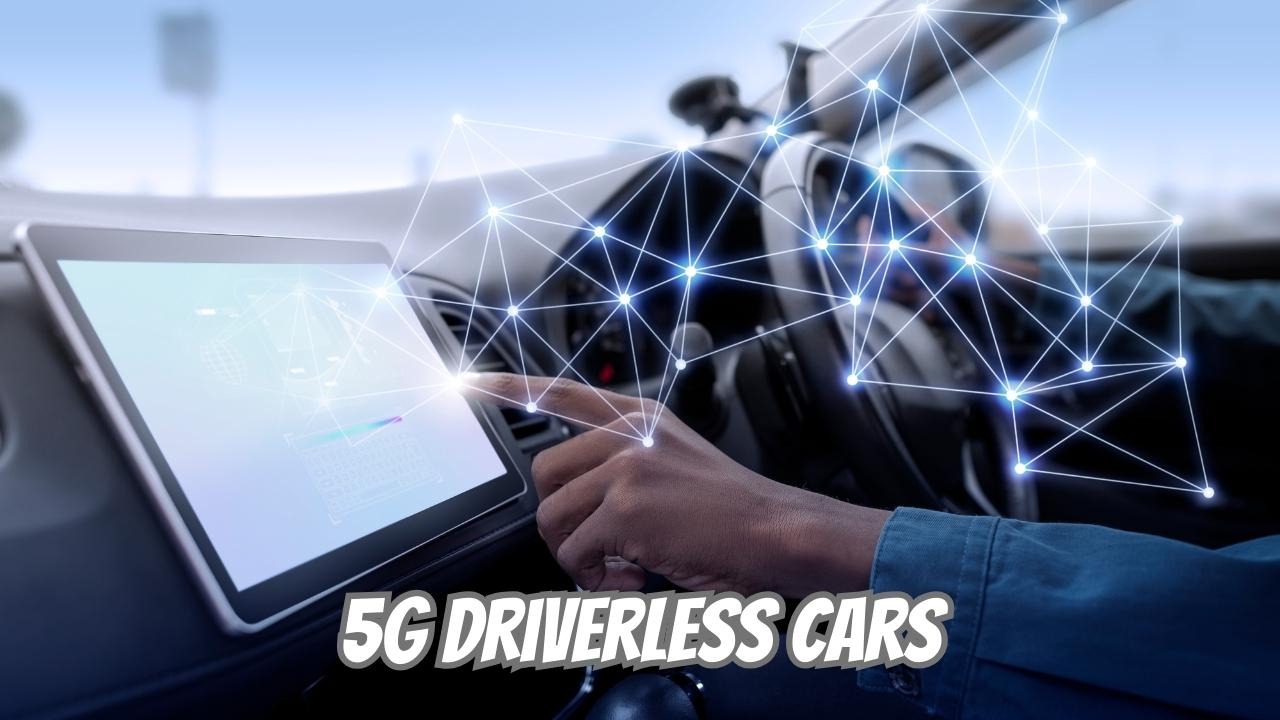
The era of 5G driverless cars is transforming the way we think about transportation, promising smarter, faster, and safer journeys. With autonomous vehicles powered by high-speed connectivity, these cars can communicate seamlessly with traffic systems, other vehicles, and smart city infrastructure, reducing congestion and enhancing road safety.
This technological leap combines artificial intelligence, real-time data processing, and advanced sensors to navigate complex environments without human intervention. In this article, we will explore how 5G networks enable driverless cars to operate efficiently, discuss the benefits for commuters and urban planning, and examine the challenges that come with integrating self-driving technology into daily life.
Whether you are curious about the future of smart mobility or the impact on transportation industries, this guide provides a comprehensive look at how 5G driverless cars are shaping tomorrow’s roads.
Understanding 5G Driverless Cars
5G driverless cars are autonomous vehicles that utilize fifth-generation (5G) network technology to operate efficiently without human intervention. Unlike traditional self-driving cars that rely heavily on local sensors, these vehicles leverage ultra-fast connectivity to communicate in real-time with traffic systems, other vehicles, and cloud-based platforms. This integration allows for enhanced navigation, reduced latency, and a safer driving experience.
Brief History and Evolution
The journey of driverless cars began decades ago with early autonomous vehicle prototypes. The introduction of 5G technology has accelerated development, enabling vehicles to process massive amounts of real-time data from their surroundings. From simple lane-assist systems to fully autonomous operations, 5G networks have become the backbone of modern smart mobility solutions.
Key Features of 5G Driverless Cars
- Real-time Vehicle-to-Everything (V2X) Communication: Vehicles can exchange data with infrastructure, pedestrians, and other cars instantly
- Enhanced Sensor Integration: Combines LiDAR, radar, and cameras to create a precise 360-degree view
- High-Speed Connectivity: Utilizes 5G networks for ultra-low latency and faster data transmission
- AI-Powered Decision Making: Artificial intelligence algorithms analyze data to make safe driving choices
- Cloud-Based Data Processing: Offloads complex computations to the cloud for more efficient navigation
These features collectively make 5G driverless cars more reliable, responsive, and adaptive compared to conventional self-driving technologies.
Benefits and Advantages
5G driverless cars offer numerous advantages that can reshape transportation globally:
- Improved Road Safety: Reduces human error and accident risks
- Traffic Optimization: Coordinates with smart city systems to minimize congestion
- Environmental Impact: Promotes efficient driving patterns that reduce emissions
- Accessibility: Provides mobility for elderly and disabled individuals
- Economic Growth: Opens opportunities in autonomous vehicle manufacturing, software, and logistics
These benefits highlight why urban planners and tech companies are investing heavily in 5G-enabled autonomous vehicles.
How 5G Driverless Cars Work
The operation of 5G driverless cars combines AI, sensors, and high-speed connectivity. “The procedure can be outlined through a set of key steps:”
Step 1: Environmental Sensing
Vehicles collect data from radar, LiDAR, cameras, and GPS systems to map surroundings
Step 2: Data Transmission
Real-time information is sent over 5G networks to cloud-based servers for analysis
Step 3: Decision Making
Machine learning algorithms process the data to make driving decisions like braking, steering, and speed adjustment
Step 4: Action Execution
The vehicle’s control system implements decisions while continuously monitoring environmental changes
Step 5: Continuous Feedback
Constant vehicle-to-everything (V2X) communication ensures the system adapts to new situations immediately
This integrated process allows autonomous vehicles to operate safely and efficiently in complex urban environments.

Challenges and Drawbacks
Despite its advantages, 5G driverless cars face several challenges:
- Network Dependency: Performance heavily relies on stable 5G connectivity
- High Implementation Cost: Development and infrastructure setup are expensive
- Cybersecurity Risks: Connected vehicles are vulnerable to hacking and data breaches
- Regulatory Barriers: Governments are still developing standards for autonomous driving
- Public Acceptance: Many people are hesitant to trust fully autonomous vehicles
Addressing these challenges is crucial for the widespread adoption of 5G driverless cars.
Use Cases and Real-World Examples
5G driverless cars are already being tested in multiple sectors:
- Urban Transportation: Autonomous taxis in cities like Singapore and San Francisco
- Logistics and Delivery: Self-driving trucks transporting goods efficiently
- Public Safety: Emergency response vehicles using real-time data to navigate traffic
- Smart Cities: Integrated traffic systems optimizing flow and reducing congestion
- Ride-Sharing Services: Companies implementing autonomous fleets to reduce operational costs
These examples illustrate the practical applications and transformative potential of 5G-enabled autonomous vehicles.
Recommendations for Future Development
To fully harness the potential of 5G driverless cars, stakeholders should focus on:
- Expanding 5G infrastructure in urban and rural areas
- Strengthening cybersecurity protocols to protect vehicle data
- Updating regulatory frameworks to facilitate safe deployment
- Promoting public awareness campaigns to build trust in autonomous technology
- Encouraging collaboration between automakers, tech firms, and governments
Implementing these measures can ensure that 5G driverless cars reach their full potential while maximizing safety, efficiency, and innovation.
Conclusion
In summary, 5G driverless cars represent a significant leap in autonomous vehicle technology and smart mobility solutions. By integrating AI, high-speed connectivity, and advanced sensors, these vehicles offer safer, more efficient, and environmentally friendly transportation. While challenges such as cybersecurity, regulatory hurdles, and infrastructure costs remain, the potential benefits for urban planning, logistics, and daily commuting are immense. As technology continues to evolve, embracing connected vehicles and autonomous systems will play a crucial role in shaping the future of transportation, making roads safer and cities smarter for everyone.