
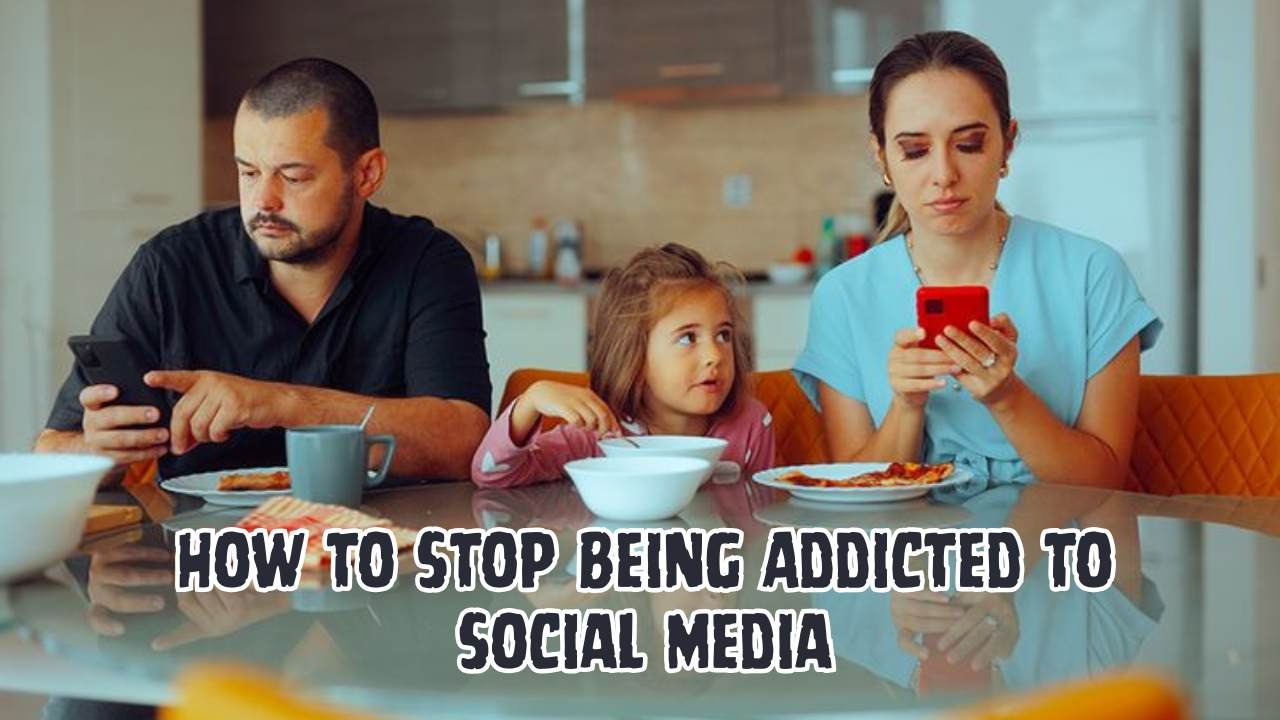
Are you struggling to regain control over your daily habits and wondering how to stop being addicted to social media? You’re not alone. With nonstop alerts, continuous scrolling, and the urge to stay updated, it’s simple to feel overloaded. This guide will help you break free from the cycle without feeling stressed or lost.
In this article, we’ll explore practical tips on digital detox, time management strategies, and setting healthy boundaries online. You’ll also learn about mindful usage, reducing screen time, and boosting productivity while staying connected in a balanced way. By following this step-by-step approach, you can regain control, improve your mental well-being, and develop a healthier relationship with your devices.
Understanding How to Stop Being Addicted to Social Media
Social media addiction has become a modern challenge affecting millions of people worldwide. Learning how to stop being addicted to social media is essential for improving mental clarity, focus, and overall well-being. Platforms like Facebook, Instagram, and TikTok are designed to keep users engaged, often leading to excessive screen time and reduced productivity.
Related Article: Screen addiction: Understanding and managing digital dependency
Understanding the psychological triggers, digital habits, and behavioral patterns behind social media usage is the first step toward breaking free. Developing awareness about your online activities allows you to regain control and maintain a balanced lifestyle.
The History and Rise of Social Media Addiction
Over the past two decades, social media has transformed the way we communicate, share information, and entertain ourselves. The evolution of platforms from simple networking sites to immersive experiences has increased screen dependency and digital engagement. Social media algorithms are designed to maximize time spent online, creating patterns of constant scrolling and checking notifications. Recognizing the historical context of social media growth helps understand why breaking this habit can feel challenging. As usage increased, experts began identifying signs of social media addiction, including anxiety, distraction, and diminished real-life interactions.
Why It’s Important to Address Social Media Addiction
Ignoring social media addiction can have significant consequences on mental, emotional, and even physical health. Learning how to stop being addicted to social media helps reduce stress levels, prevent digital burnout, and enhance productivity. Excessive use can interfere with sleep, focus, and relationships, making it crucial to implement healthy screen time habits. By taking action, individuals can improve mental clarity, emotional well-being, and overall life satisfaction. Awareness of these impacts motivates the creation of structured strategies to minimize online distractions and cultivate a healthier connection with technology.
Benefits of Reducing Social Media Usage
Minimizing social media consumption offers multiple advantages for personal growth and daily life. When you understand how to stop being addicted to social media, you can experience:
1. Enhanced time management and better daily routine planning
2. Improved mental health and reduced anxiety levels
3. Stronger personal relationships and more face-to-face interactions
4. Increased focus and work efficiency
5. Greater self-awareness and ability to pursue hobbies and interests
These benefits not only improve your professional and personal life but also encourage mindful digital habits that last long term.
Challenges in Breaking Social Media Addiction
While the advantages are clear, overcoming social media addiction comes with challenges. Users often face psychological dependency, where the need for likes, comments, or notifications becomes compelling. Many struggle with habit loops, poor self-discipline, and digital distractions that interrupt productivity. The fear of missing out, known as FOMO, is a strong motivator that keeps individuals tied to their devices. Additionally, social media platforms are designed to encourage continuous engagement, making it harder to disconnect. Identifying these obstacles is essential in creating realistic strategies for change.
Step-by-Step Strategies to Stop Being Addicted
Implementing structured techniques can make the process of how to stop being addicted to social media manageable and less overwhelming.
Evaluate Your Usage Patterns
Understanding your screen time and online behavior is the first step. Track daily usage and identify which platforms consume most of your time. Awareness of habit triggers allows you to set realistic limits.
Set Clear Boundaries
Establish boundaries by defining specific times for social media use. Turn off unnecessary notifications, create tech-free zones, and schedule offline activities to reduce the temptation to check your phone constantly.
Replace Social Media With Positive Habits
Fill the time previously spent online with productive or fulfilling activities. Engage in exercise, reading, creative hobbies, or mindfulness practices. Replacing screen time with meaningful tasks reduces dependency gradually.
Use Tools and Apps for Accountability
Several apps help monitor and limit social media usage. Tools designed for digital detox or screen time management can provide reminders, track progress, and reinforce healthy online habits.
Practice Mindfulness
Mindfulness encourages conscious decision-making about online behavior. By observing urges to check notifications and reflecting before logging in, you develop self-control and emotional resilience.
Seek Support if Needed
If the addiction becomes too difficult to handle, seeking support from friends, family, or experts can make a difference.Behavioral therapy, counseling, or joining support groups focused on reducing digital dependency can provide guidance and encouragement.

Real-Life Examples of Digital Detox Success
Many individuals have successfully reduced social media usage by applying structured approaches. For example, professionals who adopted screen time tracking and offline hobbies noticed increased productivity and reduced anxiety. Students practicing mindful social media usage improved focus and academic performance. These examples highlight that consistent effort, self-discipline, and conscious decision-making are key to breaking the cycle.
Conclusion:
In conclusion, learning how to stop being addicted to social media is essential for regaining control over your time and mental well-being. By implementing healthy screen time habits, practicing mindfulness, and setting clear boundaries, you can reduce digital distractions and improve productivity. Replacing excessive online usage with offline activities and self-discipline techniques helps create a balanced lifestyle. Taking small, consistent steps allows you to enjoy social media intentionally while enhancing emotional well-being, mental clarity, and overall life satisfaction.



1 Comment
Add Yours →[…] Related Article: Step-by-Step Guide on How to Stop Being Addicted to Social Media Without Feeling Overwhelmed […]