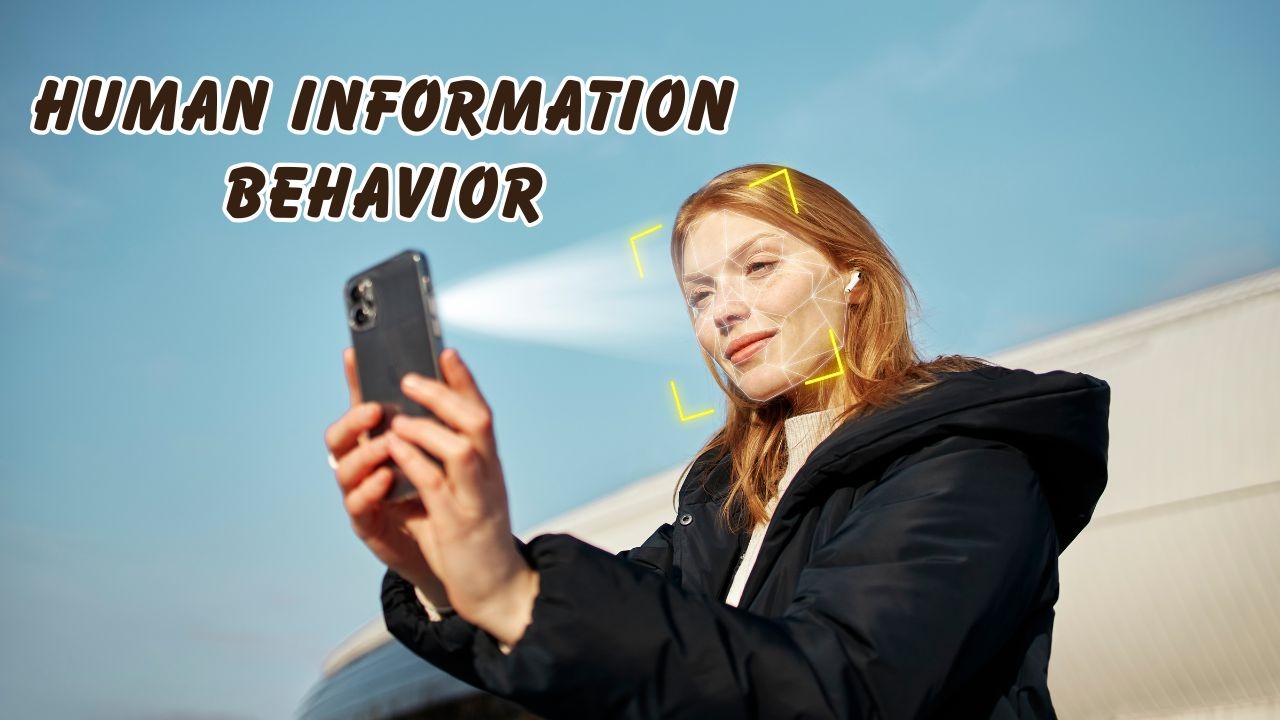
Human information behavior has transformed dramatically with the rise of digital platforms and social networks. In today’s connected world, millions of people turn to Facebook, Twitter, Instagram, and TikTok not just for entertainment but as primary sources for news, knowledge, and decision-making. This shift has fundamentally changed how individuals search, evaluate, and share information online.
Social media platforms have become powerful tools that shape our information seeking patterns and influence our daily choices. From purchasing decisions to political opinions, these digital spaces affect every aspect of modern life. Understanding how social networks impact the way we consume and process information is essential for educators, marketers, and policymakers alike.
This article explores the profound effects of social media on digital information consumption, examining both the benefits and challenges of this new information landscape. We will discuss key trends, psychological factors, and practical implications for society.
Understanding the Connection Between Social Media and Information Seeking
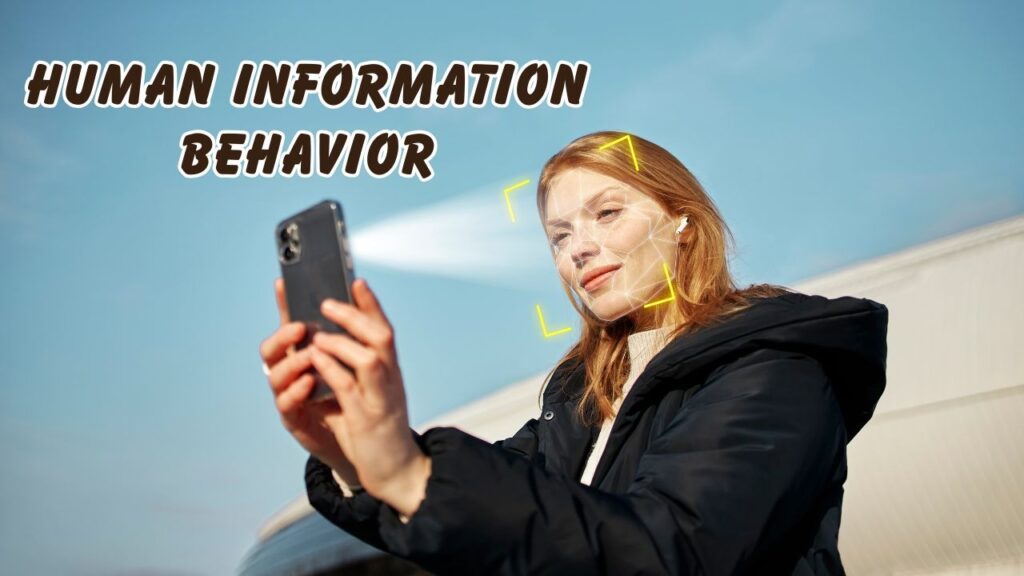
The digital revolution has reshaped human information behavior in ways that were unimaginable just two decades ago. Social media platforms have become central hubs where billions of users gather, share, and consume content daily. This transformation goes beyond simple communication. It represents a fundamental shift in how society processes and values information.
What Defines Information Behavior in the Digital Age
Human information behavior refers to how people search for, find, evaluate, and use information to meet their needs. In the context of social media, this includes scrolling through news feeds, clicking on shared links, watching videos, and engaging with posts. The digital information landscape has made access easier but also more complex.
Today, users face an overwhelming amount of content. Every minute, thousands of posts, articles, and videos compete for attention. This abundance has changed the way people filter and prioritize what they consume.
The Evolution of Information Consumption Patterns
Historical Shift from Traditional to Digital Sources
Before social media, people relied on newspapers, television, and libraries for information. The process was slower but often more deliberate. With the emergence of platforms like Facebook in 2004 and Twitter in 2006, human information behavior began evolving rapidly.
Online information seeking became instantaneous. Users no longer needed to wait for evening news broadcasts. Instead, they could access real time updates from anywhere in the world. This shift democratized information but also introduced new challenges.
How Algorithms Shape What We See
Social media algorithms play a crucial role in determining user information consumption. These systems analyze user preferences, past interactions, and engagement patterns to deliver personalized content. While this creates a tailored experience, it also limits exposure to diverse viewpoints.
- Algorithms prioritize content that generates high engagement such as likes, shares, and comments
- Users often see information that reinforces their existing beliefs, creating filter bubbles
This algorithmic influence significantly impacts human information behavior by controlling what appears on our screens.
Benefits of Social Media on Information Access
Increased Accessibility and Speed
Social media has made information more accessible than ever before. Users can learn about global events within seconds of their occurrence. This rapid information dissemination benefits emergency response, public awareness, and educational outreach.
Knowledge sharing platforms have empowered ordinary individuals to become content creators. Experts, professionals, and enthusiasts now share valuable insights directly with audiences worldwide.
Enhanced Community Learning
Social networks facilitate collaborative information exchange among communities. Groups focused on health, education, technology, and hobbies allow members to share experiences and resources. This peer to peer learning has transformed human information behavior into a more social and interactive process.

Challenges and Concerns in the Modern Information Environment
The Spread of Misinformation
One of the most significant challenges affecting human information behavior is the rapid spread of false information. Social media makes it easy for misleading content to go viral before fact checkers can respond. This has serious implications for public health, politics, and social trust.
Digital literacy skills have become essential for navigating this environment. Users must learn to verify sources, check facts, and think critically about what they encounter online.
Information Overload and Mental Health
The constant stream of content can overwhelm users and affect their wellbeing. Cognitive overload occurs when people receive more information than they can effectively process. This leads to stress, anxiety, and difficulty making decisions.
Many users report feeling exhausted by the need to stay constantly informed. This phenomenon highlights the darker side of how social media shapes human information behavior in modern society.
Real World Examples of Social Media Influence
Major events demonstrate the power of social platforms in shaping public awareness. During natural disasters, Twitter becomes a vital source for emergency updates. Health campaigns on Instagram reach millions with educational content. YouTube tutorials have transformed how people learn new skills.
These examples show that human information behavior continues to evolve alongside technological advances. Understanding this relationship helps individuals and organizations navigate the digital world more effectively.
Conclusion
Social media has profoundly transformed human information behavior in countless ways. From instant access to global news to the challenges of misinformation, digital platforms continue to shape how we seek, consume, and share knowledge. The benefits of rapid information access and community learning are significant, yet users must remain aware of filter bubbles and cognitive overload.
As technology evolves, understanding human information behavior becomes increasingly important for navigating the digital world responsibly. By developing strong digital literacy skills and practicing critical thinking, individuals can make the most of social media while protecting themselves from its potential drawbacks. The future of information consumption lies in balanced and mindful engagement.