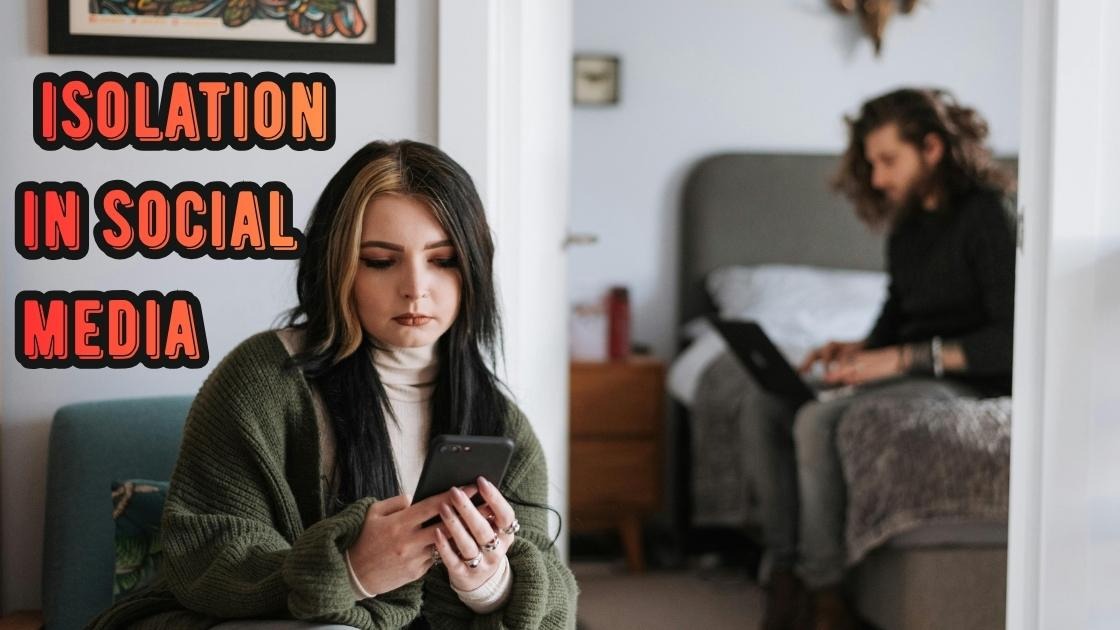
In today’s always-connected world, isolation in social media is becoming a silent emotional challenge for many users. Endless scrolling, likes, and virtual interactions often replace meaningful conversations, leaving people feeling unseen despite being constantly online. While digital platforms promise connection, they can also encourage digital loneliness, reduce real-life communication, and weaken emotional well-being.
This article explores how online habits shape our relationships, why virtual relationships may feel unfulfilling, and how excessive screen time affects mental health awareness. By understanding these patterns, readers can learn to build healthier boundaries, reconnect authentically, and use technology in ways that support genuine human connection rather than emotional distance.
Understanding Isolation in the Digital Age
What Is Isolation in Social Media
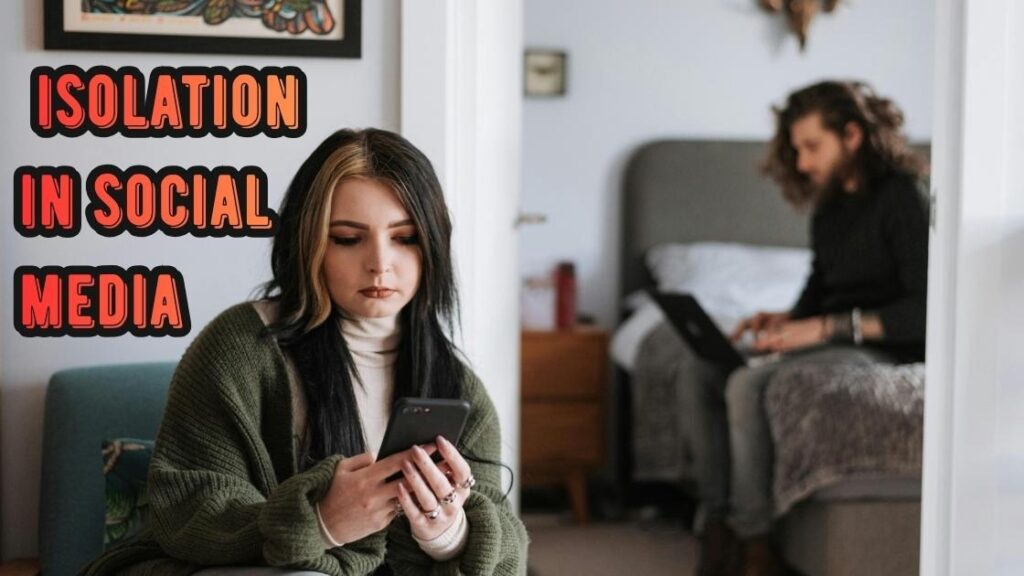
Isolation in social media refers to the emotional distance people feel despite constant online presence. Users may interact through likes, comments, and messages, yet still lack deep and meaningful bonds. This phenomenon develops when online engagement replaces face to face communication, leading to reduced empathy and emotional fulfillment. While platforms are designed to connect people, excessive dependence can create feelings of being ignored or misunderstood. Understanding this concept helps explain why many individuals feel lonely even with hundreds of online connections and active digital profiles.
Background and Growing Relevance
The rise of smartphones and networking platforms has transformed how people communicate. Early social platforms focused on reconnecting friends, but modern algorithms prioritize engagement over emotional quality. Over time, this shift has contributed to digital loneliness, increased screen dependency, and declining real life relationships. As online interaction becomes routine, people may gradually lose confidence in offline social skills. This historical shift explains why isolation in social media is now recognized as a serious social and psychological concern worldwide.
Why Social Media Can Increase Emotional Distance
The Illusion of Constant Connection
Social platforms create an illusion of closeness through instant updates and reactions. However, these interactions often lack depth and emotional nuance. Seeing curated lives can trigger social comparison, making users feel inadequate or excluded. Instead of fostering belonging, constant comparison can weaken self esteem and increase emotional withdrawal. Over time, this illusion contributes directly to isolation in social media, as users mistake visibility for genuine connection.
Reduced Quality of Communication
Quick reactions and short messages replace meaningful conversations. Emojis and likes cannot fully convey empathy or understanding. This shift reduces emotional intelligence and limits the ability to express complex feelings. When communication becomes shallow, relationships lose warmth and trust. As a result, people may feel disconnected even when actively engaging online, reinforcing isolation in social media.
Psychological and Social Impact
Effects on Mental and Emotional Well Being
Extended exposure to online environments can influence mood and behavior. Feelings of exclusion, anxiety, and sadness are common outcomes. The lack of authentic interaction affects mental health awareness and increases stress levels. Young users are especially vulnerable as they rely heavily on online validation. Over time, emotional exhaustion may occur, making isolation in social media a trigger for deeper psychological challenges.
Impact on Real World Relationships
When online engagement dominates daily life, offline bonds often suffer. Family time, friendships, and community involvement may decrease. This imbalance weakens social skills development and reduces trust in face to face communication. As offline relationships fade, users may rely even more on digital spaces, creating a cycle that strengthens isolation in social media rather than resolving it.
Key Factors Contributing to Social Media Isolation
Algorithm Driven Content Exposure
Algorithms show content based on engagement patterns, not emotional needs. This can trap users in echo chambers and limit diverse perspectives. Overexposure to similar content reinforces loneliness and emotional fatigue. Without meaningful interaction, users feel unseen, which accelerates isolation in social media.
Fear of Missing Out and Validation Seeking
Constant updates can create pressure to stay online. Users may seek approval through likes and comments, linking self worth to digital feedback. This habit increases anxiety levels and reduces authentic self expression. When validation is absent, feelings of rejection grow, deepening isolation in social media.
Recognizing Common Signs of Social Media Isolation
1. Feeling lonely despite frequent online activity
2. Reduced interest in offline social interactions
3. Constant comparison with others online
4. Emotional dependence on likes and comments
5. Increased screen time with lower satisfaction

Practical Ways to Reduce Digital Isolation
Building Healthier Online Habits
Creating balance is essential for emotional health. Mindful usage can restore control and improve well being. Focus on meaningful conversations rather than passive scrolling. Strengthening online boundaries helps prevent emotional overload and supports healthier engagement.
1.Set specific time limits for daily usage
2. Prioritize direct messages over passive browsing
3. Follow content that promotes positive psychology
4. Schedule regular offline social activities
5. Practice digital detox days when possible
Encouraging Authentic Connections
Choosing quality over quantity improves relationships. Engaging honestly and listening actively builds trust. Sharing real experiences rather than curated highlights encourages empathy. These practices help counter isolation in social media and support stronger emotional bonds.
Moving Toward Balanced Digital Interaction
Social platforms are tools, not replacements for human connection. When used intentionally, they can support communication and awareness. However, recognizing the risks of overuse is essential. By improving emotional awareness, nurturing offline relationships, and practicing mindful engagement, individuals can reduce isolation in social media and create a healthier balance between digital life and real world connection.
Conclusion
In a digitally connected world, isolation in social media highlights the gap between online interaction and emotional fulfillment. This article explored how shallow communication, algorithm driven content, and constant comparison affect mental health awareness, emotional well being, and real life relationships. While social platforms offer convenience, mindful use is essential to avoid digital loneliness and emotional burnout. By setting healthy boundaries, prioritizing authentic conversations, and balancing online and offline life, individuals can reduce emotional distance and build stronger human connections. Addressing isolation in social media is vital for creating a healthier, more connected society.