Job skills for students play a vital role in shaping confident, capable individuals who are ready to face real workplace challenges. The job market is rapidly changing, and employers now focus on practical abilities alongside formal education. From effective communication to problem-solving, students must develop a balanced mix of personal and professional strengths early on.
This article explores why skill development is essential during student life and how it supports long-term career readiness and workplace success. You will learn about the importance of employability skills, the role of soft skills and technical skills, and how experiences like internships contribute to career growth. By understanding these areas, students can prepare themselves to make smoother transitions from education to professional life and stand out in a highly competitive job market.
Understanding Job Skills in Student Life
Definition and Core Concept
Job skills for students refer to the practical abilities, behaviors, and knowledge that help learners perform effectively in professional environments. These include soft skills, technical skills, and transferable competencies such as teamwork, adaptability, and communication. Unlike subject based knowledge, these abilities are applied across roles and industries. They enable students to translate learning into action, making them valuable to employers. Developing job skills for students early builds confidence and prepares learners to meet expectations in internships, part time work, and future careers.
Background and Evolution
Historically, education systems focused largely on academic mastery. With industrial and digital transformations, employers began seeking well rounded candidates. Over time, employability skills gained importance alongside degrees. The rise of technology accelerated this shift, requiring students to build digital literacy and continuous learning habits. Today, education and industry collaborate more closely, encouraging internships, project based learning, and skill oriented training programs that strengthen job skills for students in real world contexts.
Importance of Skill Development During Education
Preparing for Career Readiness
The transition from education to employment can be challenging without proper preparation. Job skills for students help bridge the gap between theory and practice. Employers value candidates who can communicate ideas clearly, solve problems creatively, and adapt quickly. These abilities enhance career readiness by enabling students to perform tasks independently and work effectively with teams.
Role in Workplace Success
Strong job skills for students directly affect workplace performance and long term growth. Employees with solid interpersonal skills and critical thinking abilities tend to advance faster. Students who understand professionalism and collaboration can contribute meaningfully from day one, creating positive impressions and lasting professional relationships.
Key Types of Skills Students Should Build
Soft Skills and Personal Abilities
These skills shape how students interact and manage responsibilities.
•Communication skills
•Teamwork and collaboration
•Time management
•Problem solving
•Adaptability
Real Life Application
These abilities support daily interactions, from presenting ideas in meetings to resolving conflicts constructively.
Technical and Digital Competencies
Technical knowledge varies by field, but basic digital skills are essential for all learners. Proficiency in common software, data handling, and online research improves productivity. For technical fields, coding, design tools, or analytics strengthen job skills for students and improve employability.
Benefits of Developing Professional Skills Early
Personal Growth and Confidence
Learning job skills for students builds self awareness and independence. Students gain confidence by handling tasks, meeting deadlines, and overcoming challenges. This growth improves decision making and encourages lifelong learning.
Competitive Advantage in the Job Market
Students with strong employability skills stand out among peers. Recruiters prefer candidates who show initiative and readiness to contribute. Well developed job skills for students increase internship opportunities and entry level job success while opening paths to career advancement.
Common Challenges Faced by Students
1.Balancing Academics and Skill Building
Many students struggle to manage time effectively. Academic pressure can limit opportunities to practice job skills for students. Lack of guidance or exposure also affects confidence and practical understanding.
2.Limited Practical Opportunities
Some institutions focus more on theory than application. Without internships or projects, students may find it difficult to apply soft skills and technical knowledge in realistic settings. Addressing these gaps requires active participation in workshops and experiential learning.
Practical Examples of Skills in Action
Academic and Campus Experiences
Group projects and presentations help students develop collaboration and leadership. Participating in clubs builds interpersonal skills and organizational abilities.
Work Based Learning Opportunities
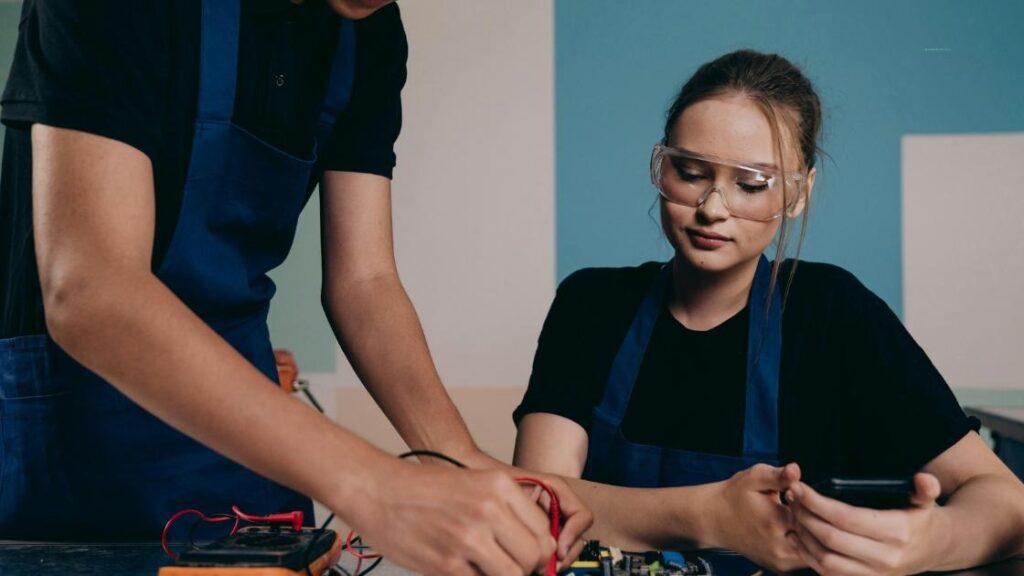
Internships and part-time roles provide real-world, practical experience.
1.Classroom projects
2.Internships
3.Volunteer programs
These experiences strengthen job skills for students by exposing them to professional expectations and problem solving scenarios.
Building a Strong Foundation for the Future
Developing job skills for students is a continuous process influenced by education, experience, and self improvement. With intentional effort, guidance, and opportunities, students can transform academic knowledge into meaningful career capabilities. This balanced approach prepares learners not only to secure jobs but also to grow and succeed in dynamic professional environments.
Conclusion
Building strong job skills for students is essential for turning education into long term career success. Throughout this article, we explored how developing soft skills, technical skills, and employability skills helps learners adapt to changing workplace demands. These abilities boost confidence, improve career readiness, and create opportunities for workplace success. By focusing on continuous skill development and gaining practical exposure, students can build a solid foundation for professional growth. Investing time in these competencies today prepares students to thrive in competitive and evolving career environments tomorrow.