The modern education system stands at an unprecedented crossroads where advanced technologies merge with established teaching practices to create transformative learning experiences. Classrooms worldwide are evolving beyond traditional boundaries into dynamic environments powered by innovation and digital connectivity.
This article explores how technological integration fundamentally reshapes pedagogical frameworks across educational institutions globally. You will discover the mechanisms driving personalized learning experiences that adapt to individual student needs and cognitive profiles.
We examine how artificial intelligence and data driven instruction enhance learning outcomes while preparing students for rapidly changing workforce demands. From virtual reality immersion to adaptive assessment platforms, the modern education system embraces tools previously unimaginable.
Prepare to understand the scientific foundations, practical applications, and future trajectories defining educational excellence in the twenty first century landscape.
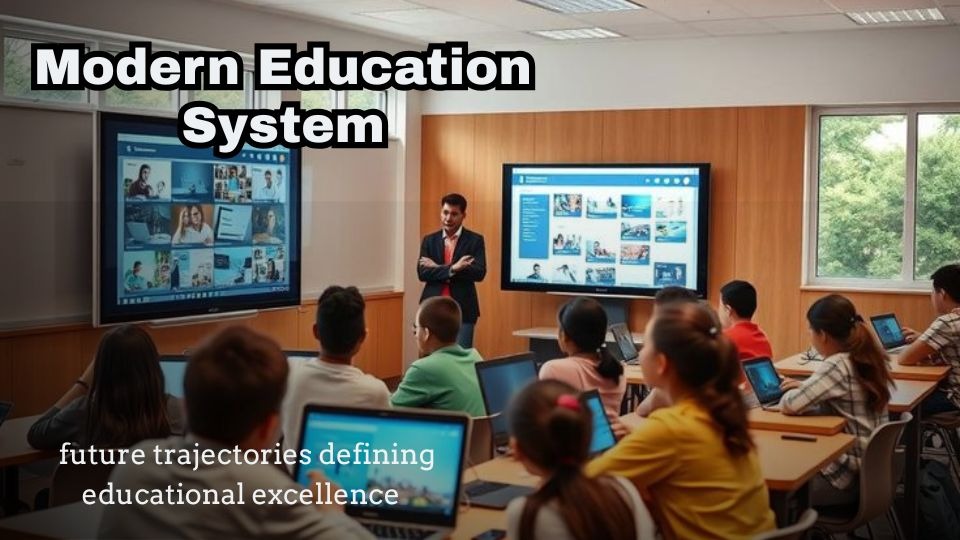
Defining Technological Integration in Contemporary Education
The modern education system represents a comprehensive framework where digital technologies merge seamlessly with instructional practices to enhance learning experiences. This integration extends beyond simply adding computers to classrooms into fundamentally reimagining how knowledge transfers between educators and learners.
Technological integration encompasses hardware, software, connectivity infrastructure, and digital pedagogical strategies working together cohesively. The modern education system leverages these components to create responsive environments adapting to individual student needs and learning preferences.
Understanding this definition provides essential context for examining how institutions worldwide transform traditional approaches into dynamic, technology enhanced learning ecosystems.
Historical Evolution of Educational Technology
Educational technology has progressed through distinct phases, each building upon previous innovations. Examining this evolution reveals patterns informing current developments and future trajectories.
Early Technological Adoption
The introduction of radio and television during the mid twentieth century represented initial attempts at technology enhanced instruction. Educational broadcasting reached students beyond traditional classroom boundaries for the first time in history.
Overhead projectors and filmstrips became standard classroom equipment during the 1960s and 1970s. These tools supplemented teacher led instruction without fundamentally altering pedagogical frameworks or assessment approaches.
Digital Revolution Impact
Personal computers entered classrooms during the 1980s introducing students to digital literacy concepts. The modern education system began taking recognizable form as institutions invested in computer laboratories and educational software programs.
Internet connectivity during the 1990s transformed information access and collaborative possibilities. Students gained unprecedented research capabilities while educators discovered new instructional delivery methods.
Core Technologies Reshaping Learning Experiences
Contemporary educational environments utilize sophisticated technologies creating personalized learning pathways previously impossible through traditional methods. These tools represent the foundation of modern education system innovation.
Artificial Intelligence Applications
Artificial intelligence powers adaptive learning platforms that analyze student performance data continuously. These systems identify knowledge gaps, adjust content difficulty, and recommend personalized learning pathways based on individual progress patterns.
The following technologies characterize current educational artificial intelligence implementation:
- Intelligent tutoring systems providing individualized feedback and guidance without human intervention requirements
- Natural language processing enabling conversational interfaces for student queries and support
- Predictive analytics identifying students requiring additional assistance before performance declines significantly
- Automated assessment tools evaluating complex responses beyond simple multiple choice formats
- Content recommendation engines suggesting resources aligned with individual learning objectives and preferences
These applications demonstrate how the modern education system harnesses computational power for educational benefit.
Virtual and Augmented Reality Integration
Immersive technologies create experiential learning opportunities transcending physical classroom limitations. Students explore historical environments, manipulate molecular structures, and practice complex procedures within safe virtual spaces.
Virtual reality enables field trips to locations geographically or financially inaccessible through traditional means. The modern education system incorporates these tools to enhance engagement and deepen conceptual understanding.
Benefits of Technology Enhanced Pedagogy
Technological integration produces measurable improvements across multiple educational outcome dimensions. Research consistently demonstrates advantages for students, educators, and institutions embracing digital transformation.
Personalized Learning Pathways
Data driven instruction enables customization matching individual student needs, preferences, and pace requirements. The modern education system moves beyond standardized approaches toward truly differentiated experiences.
Students struggling with specific concepts receive targeted interventions automatically. Advanced learners progress without artificial constraints imposed by group instruction requirements.
Enhanced Engagement and Motivation
Interactive technologies capture student attention more effectively than passive instructional methods. Gamification elements, multimedia content, and collaborative platforms sustain engagement across extended learning sessions.
Learning outcomes improve when students actively participate rather than passively receive information. Technology facilitates active learning approaches difficult to implement through traditional methods alone.
Expanded Access and Flexibility
Digital delivery removes geographic and temporal barriers limiting educational access historically. Students participate in learning experiences regardless of location or schedule constraints through online platforms.
The modern education system democratizes quality education by connecting learners with expert instructors and premium resources globally.
Challenges Confronting Digital Transformation
Despite significant benefits, technological integration faces substantial obstacles requiring strategic navigation. Acknowledging these challenges enables realistic planning and proactive problem solving.
Infrastructure and Resource Disparities
Institutions serving disadvantaged communities often lack infrastructure supporting effective technology integration. Connectivity limitations, outdated equipment, and insufficient technical support undermine implementation efforts.
The modern education system risks widening achievement gaps when digital tools advantage already privileged populations disproportionately. Equity focused policies must accompany technological investments.

Educator Preparation and Support
Many teachers lack training necessary for effective technology integration within instructional practice. Professional development programs frequently prove insufficient for building genuine digital pedagogical competence.
Resistance to change compounds preparation challenges when educators feel threatened by technologies perceived as replacing their expertise.
Global Implementation Examples
Examining successful implementations worldwide provides practical insights for institutions pursuing digital transformation. These examples demonstrate diverse approaches adapted to specific contextual requirements.
Singapore Digital Learning Initiative
Singapore invested heavily in technological infrastructure and educator training creating comprehensive digital learning ecosystems. Students access personalized learning platforms throughout their educational careers with seamless progression across grade levels.
Finland Phenomenon Based Learning
Finnish schools integrate technology within interdisciplinary projects addressing real world challenges. The modern education in Finland emphasizes collaboration, creativity, and critical thinking supported by digital tools.
Future Trajectories and Emerging Possibilities
Modern education will continue evolving as technologies mature and new innovations emerge. Institutions preparing proactively position themselves advantageously for coming transformations.
Blockchain credentialing, extended reality environments, and advanced artificial intelligence promise further disruption to traditional educational models. Stakeholders engaging thoughtfully with these developments shape implementation priorities benefiting all learners.
Conclusion:
The modern education system continues transforming through technological integration that reshapes how students learn and educators teach across global institutions. Throughout this exploration, we examined how artificial intelligence, data driven instruction, and personalized learning platforms revolutionize pedagogical frameworks delivering enhanced learning outcomes.
Embracing the modern education system’s advancements empowers institutions to prepare students for complex workforce demands and lifelong adaptability. Digital tools, adaptive assessments, and immersive technologies create unprecedented opportunities for cognitive development and academic achievement.
Educational stakeholders who engage proactively with these innovations position themselves advantageously within evolving landscapes. The convergence of technology and pedagogy promises transformative possibilities for learners worldwide.