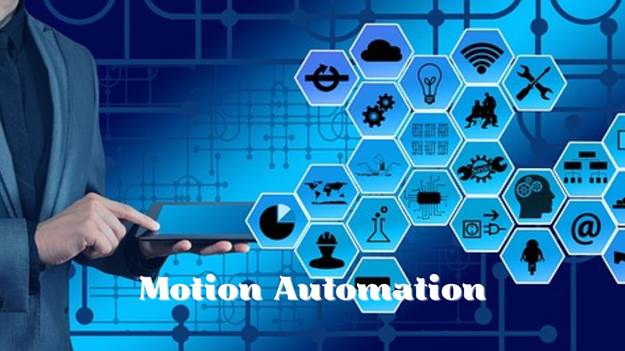
Motion automation is revolutionizing how industries operate, bringing a new era of precision, efficiency, and innovation. From robotic control systems in manufacturing to intelligent sensors in logistics, automation technologies are reshaping production lines and workflows across sectors. As industries embrace smarter machines and data-driven processes, the boundaries between manual labor and digital intelligence continue to blur.
This article explores how industrial robotics, AI-driven motion solutions, and connected systems are driving unprecedented transformation. You’ll discover how these advancements enhance productivity, reduce human error, and create sustainable operations for the future. Whether it’s optimizing assembly lines or improving energy efficiency, it is at the heart of tomorrow’s smarter, faster, and more adaptive industries.
Understanding Motion Automation and Its Evolution in Smart Industries
Definition and Core Concept
Motion automation refers to the use of advanced mechanical and electronic systems to control the movement of machines and equipment with high precision. It combines automation technology, control engineering, and intelligent motion control systems to perform repetitive or complex tasks without constant human input. From assembly lines to robotic arms, these systems are designed to increase accuracy, consistency, and productivity.
Historical Background and Development
The concept of motion automation emerged during the industrial revolution when mechanical devices were first used to simplify manual labor. However, it wasn’t until the late 20th century when computer-based controllers and programmable logic controllers (PLCs) were introduced that automation became truly advanced.
In the modern era, smart motion systems integrate artificial intelligence (AI), machine learning, and the Internet of Things (IoT) to create intelligent, adaptive solutions that can make real-time decisions and self-correct errors. This evolution has transformed industries such as manufacturing, healthcare, agriculture, and logistics.
The Importance of Motion Automation in Modern Industry
It plays a central role in achieving operational excellence across multiple sectors. It allows companies to maintain precision and reliability while reducing human effort. The integration of robotic motion systems and automated control processes offers several key advantages:
- Enhanced Precision: Automated systems deliver consistent and accurate results, minimizing product defects.
- Increased Productivity: Machines operate continuously with minimal downtime, boosting overall output.
- Improved Safety: Automation reduces human exposure to hazardous environments, especially in heavy industries.
- Cost Efficiency: Long-term savings are achieved through reduced labor costs and minimal material waste.
- Real-Time Monitoring: Intelligent sensors provide constant performance feedback and detect potential issues early.
These benefits highlight why industries worldwide are investing heavily in motion automation solutions to gain a competitive advantage.
Key Components and Working of Smart Motion Automation Systems
Sensors and Actuators
At the heart of every Dynamic automation system are sensors and actuators.
- Sensors detect movement, position, and speed of mechanical parts.
- Actuators convert electrical signals into physical motion, enabling machines to perform precise tasks.
Controllers and Drives
Controllers serve as the brain of automation systems, interpreting sensor data and sending commands to actuators. Modern controllers use AI algorithms to optimize movements dynamically. Drives, on the other hand, regulate motor speed and torque to ensure smooth operation.
Software Integration
Advanced automation software integrates with sensors and controllers to create synchronized operations. With real-time data analytics, businesses can track efficiency, detect anomalies, and plan predictive maintenance.

Benefits of Smart Motion Automation in Different Industries
Manufacturing
In manufacturing, it enhances assembly line performance, ensuring every product meets exact specifications. Robotic arms handle precision welding, painting, and packaging tasks.
Healthcare
In healthcare, automated robotic systems perform delicate surgeries, process lab samples, and assist in patient rehabilitation with unmatched precision.
Agriculture and Food Processing
Smart automation enables farmers to monitor crop conditions and automate sorting, packaging, and distribution in food industries.
Logistics and Warehousing
Motion-controlled robots handle order picking, sorting, and inventory management efficiently, reducing human workload and error rates.
Challenges and Limitations of Motion Automation
Despite its vast potential, industries face certain obstacles in adopting automation:
- Substantial Upfront Investment: Setting up and implementing automation systems demands considerable financial resources.
- Skilled Workforce Shortage: Operating and maintaining automated systems demand specialized training.
- Cybersecurity Risks: As systems become more connected, they are vulnerable to digital attacks.
- Integration Complexity: Combining legacy machinery with modern automation can be technically challenging.
Overcoming these challenges requires strategic planning, employee training, and investment in cyber-secure automation technologies.
Real-World Examples of Motion Automation Success
- Automotive Industry: Companies like Tesla and Toyota use robotic motion systems to assemble vehicles with high precision and minimal human intervention.
- Pharmaceutical Industry: Automated machinery ensures accurate dosing and packaging of medicines, reducing contamination risks.
- E-commerce Giants: Firms like Amazon rely on motion-controlled robots for warehouse automation and faster delivery.
These examples demonstrate how automation is not just a trend but a vital strategy for achieving efficiency and innovation.
The Future of Motion Automation: A Smart, Connected World
The next generation of Robotic automation systems will focus on enhanced connectivity, adaptability, and intelligence. As technologies like AI, machine learning, and IoT continue to evolve, automated systems will become more autonomous and predictive.
Future innovations will enable industries to:
- Monitor performance in real-time through digital twins
- Use data analytics to predict equipment failures before they occur
- Integrate seamlessly with renewable energy systems to reduce environmental impact
In the years ahead, smart automation will continue to blur the line between human intelligence and machine precision. By combining creativity, data, and technology, industries can achieve sustainable growth and operational excellence through motion automation.
Conclusion
In conclusion, it is reshaping global industries by enhancing precision, speed, and efficiency through intelligent systems. With the integration of robotic technologies and smart automation tools, businesses can achieve sustainable growth and operational excellence. As innovation continues, adopting these systems will become essential for staying competitive in a rapidly evolving market. To stay ahead, explore the latest advancements in Smart motion systems and discover how intelligent solutions can empower your organization’s future.