The need for automation has become increasingly evident as modern life demands speed, accuracy, and convenience. From smart homes to digital workplaces, automation is reshaping how we live and work. Advancements in artificial intelligence, robotic systems, and machine learning are not only streamlining daily tasks but also enhancing productivity across industries.
This article explores how automation simplifies everyday routines, reduces human error, and creates opportunities for innovation. Whether it’s managing household chores, optimizing business operations, or improving communication, automation plays a key role in driving progress. By understanding its impact on our personal and professional lives, we can better appreciate how technology continues to transform society and empower us to achieve more with less effort.
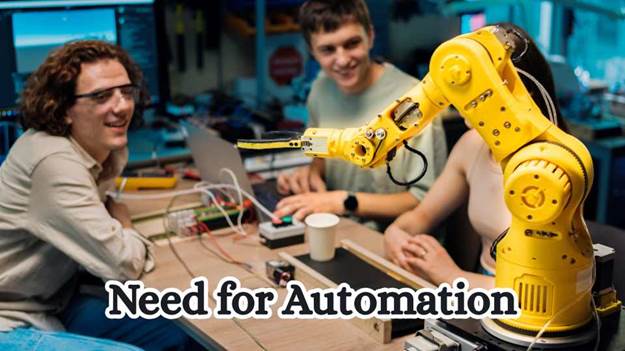
Understanding the Need for Automation in Everyday Life
Automation has moved beyond factories and into homes, offices, and even our phones. The need for automation today stems from our growing reliance on technology to perform tasks faster, more accurately, and with fewer resources. By integrating digital transformation, artificial intelligence (AI), and smart technologies, automation has become the backbone of modern living.
Definition and Concept of Automation
Automation involves utilizing technology to carry out tasks with little to no human involvement. It’s not just about machines taking over; it’s about systems learning, adapting, and improving efficiency. In daily life, it can be as simple as automatic bill payments or as complex as self-driving vehicles.
Automation operates through software algorithms, sensors, and data-driven systems that analyze patterns and execute actions without constant supervision. This seamless interaction between humans and machines allows for smoother workflows and more consistent results.
A Brief History of Automation
The need for automation is not new. It began with the Industrial Revolution when machinery started replacing manual labor. Over time, innovations in computing and electronics accelerated this transformation.
- Early Mechanical Age: Steam engines and textile machines laid the groundwork for industrial efficiency.
- The Digital Era: The invention of computers and programmable logic controllers (PLCs) in the 20th century revolutionized manufacturing.
- Modern Automation: Today, with the rise of AI and machine learning, automation is deeply integrated into communication, healthcare, transportation, and education.
From simple tools to intelligent systems, automation has continuously evolved to meet society’s changing demands.
Importance of Automation in Daily Life
The importance of automation lies in its ability to simplify everyday routines and improve productivity. It helps people focus on creativity, strategy, and innovation rather than repetitive tasks.
Key areas where automation impacts daily life include:
- Smart homes: Automated lighting, thermostats, and appliances enhance comfort and energy efficiency.
- Healthcare: Robots assist in surgeries, and AI monitors patient data for faster diagnoses.
- Business operations: Workflow automation boosts productivity by handling repetitive administrative tasks.
- Transportation: Self-driving technology and traffic control systems make commuting safer and faster.
Automation is not just a luxury it’s a necessity for achieving balance, efficiency, and growth in the modern world.
Benefits of Embracing Automation
The benefits of automation extend across multiple sectors, improving both personal and professional efficiency.
1. Increased Productivity:
Automation reduces time spent on routine work, allowing individuals and businesses to achieve more in less time.
2. Cost Efficiency:
By minimizing errors and waste, automation helps organizations save money while maximizing output.
3. Improved Accuracy:
Automated systems perform repetitive tasks with precision, reducing the risk of human mistakes.
4. Enhanced Safety:
In industries like construction and manufacturing, robots handle dangerous tasks, protecting human workers.
5. Better Decision-Making:
Data-driven automation systems provide real-time insights, helping businesses make smarter, faster decisions.
6. Convenience and Comfort:
From voice-controlled devices to automated schedules, technology makes everyday life smoother and more enjoyable.

Challenges and Concerns of Automation
While the need for automation brings countless benefits, it also presents challenges that society must address.
- Job Displacement: As machines take over certain tasks, some roles become obsolete. However, new jobs emerge in technology, programming, and maintenance.
- High Initial Costs: Implementing automation systems can require significant investment, especially for small businesses.
- Security Risks: Automated systems rely heavily on data, making cybersecurity crucial to prevent breaches.
- Overdependence on Technology: Relying too much on automation can reduce human problem-solving skills and critical thinking.
Balancing automation with human intelligence is essential to create a sustainable and inclusive future.
Real-World Examples of Automation in Action
Automation is everywhere, often unnoticed but highly impactful. Some examples include:
- Smart Assistants: Tools like Alexa and Google Assistant manage daily schedules and home devices.
- Banking Systems: ATMs and online banking streamline financial transactions.
- E-commerce: Automated inventory and recommendation systems enhance shopping experiences.
- Healthcare: Robotic surgery and automated pharmacy systems increase accuracy and reduce wait times.
- Education: AI-driven learning platforms personalize study plans and track progress.
These examples demonstrate how automation enhances convenience, saves time, and promotes innovation across different fields.
The Future of Automation and Human Collaboration
Looking ahead, the need for automation will continue to expand as emerging technologies become more intelligent and interconnected. The key lies in collaboration humans and machines working together to achieve shared goals.
Future automation trends will likely focus on:
- Sustainability: Using smart energy systems to reduce waste.
- Personalization: AI tailoring experiences to individual preferences.
- Workforce Integration: Training programs to prepare employees for technology-driven roles.
Automation is not replacing humanity; it’s empowering it. By embracing this evolution responsibly, society can harness the full potential of technology for a more efficient and progressive world.
In conclusion, automation has become the driving force behind modern life’s comfort, safety, and productivity. Its influence is growing daily, reshaping industries and improving how we live, work, and connect. The future promises even greater integration, where automation and human intelligence together define the next era of innovation.
Conclusion
The need for automation continues to shape how we live and work, driving progress through innovation and smart solutions. By integrating artificial intelligence and digital transformation, automation simplifies tasks, enhances productivity, and fosters growth in every sector. As technology evolves, embracing automation responsibly ensures a balance between efficiency and human creativity. To stay ahead in this rapidly changing world, explore how automation can empower your daily life, boost your business performance, and create a smarter, more connected future.