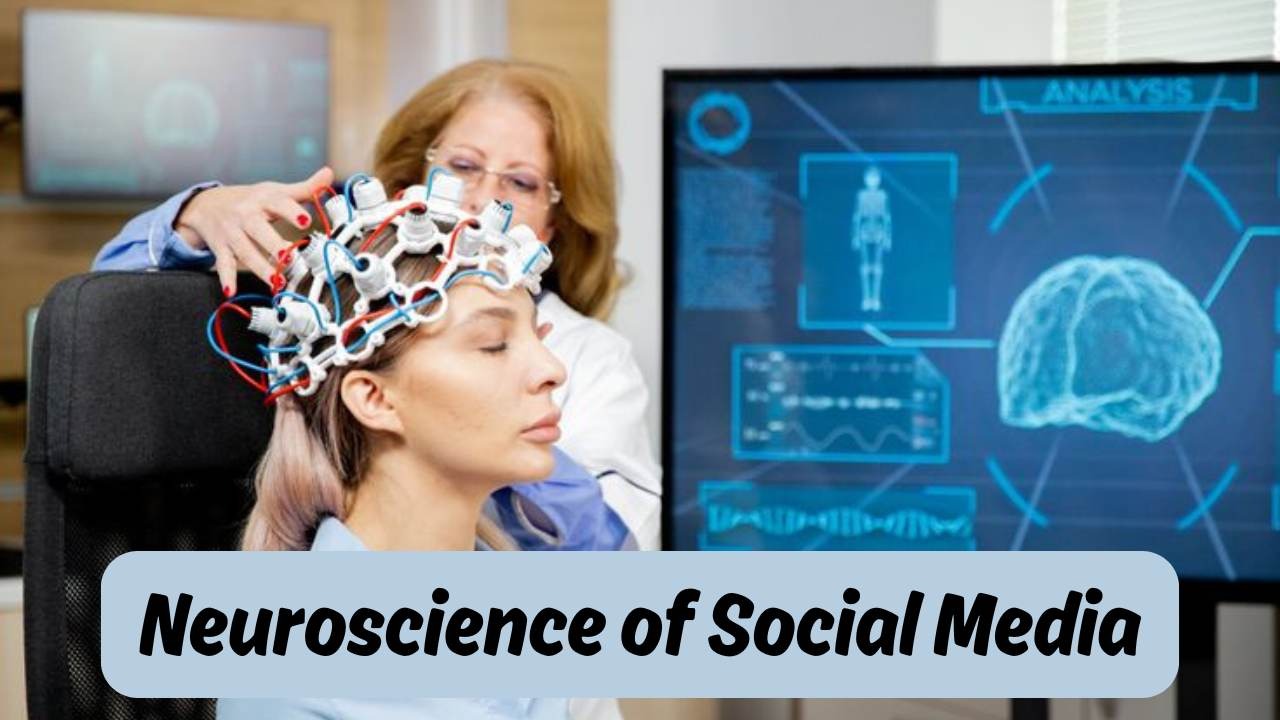
In today’s digital age, the neuroscience of social media plays a crucial role in shaping how we think, feel, and interact online. Have you ever wondered why endless scrolling feels almost irresistible? This article dives into the brain’s response to notifications, likes, and shares, revealing why platforms are designed to capture attention and trigger dopamine release.
We will explore the science behind social media addiction, cognitive behavior online, neuroplasticity in digital habits, and emotional triggers that keep users engaged for hours. By understanding these mechanisms, you’ll gain insights into your own online behavior and learn strategies to maintain a healthier digital balance. Whether you’re curious about psychology, technology, or self-improvement, this guide will illuminate how the digital world subtly influences your brain.
Understanding the Neuroscience of Social Media
The neuroscience of social media is the study of how digital platforms influence the human brain. It explores why people feel compelled to check notifications, scroll endlessly, and engage with online content for hours. At the heart of this behavior is the brain’s reward system, which releases dopamine, a chemical associated with pleasure and motivation. This explains why social media can feel addictive and why users often find it challenging to disconnect. By studying the brain’s responses to likes, comments, and shares, scientists are uncovering the psychological mechanisms behind digital behavior and social engagement. Understanding this field provides insights into how technology shapes attention, mood, and decision-making.
History and Background
The concept of social media neuroscience emerged with the rapid growth of digital platforms in the early 2000s. Researchers began analyzing how constant connectivity affects the human brain, cognitive functions, and emotional states. Studies on neuroplasticity revealed that frequent social media use can rewire neural pathways, making certain online behaviors habitual. Early research focused on attention spans, memory retention, and emotional regulation, demonstrating that social media is more than a communication tool it directly impacts brain function. Over time, the field expanded to include behavioral psychology, digital addiction, and the role of online social networks in shaping self-perception.
How Social Media Hijacks Your Brain
The most fascinating aspect of the neuroscience of social media is how platforms capture attention. Social networks are engineered to exploit cognitive biases and the brain’s natural reward systems. For example, the variable reward schedule when likes or notifications appear unpredictably triggers dopamine surges that reinforce compulsive checking. This phenomenon mirrors mechanisms observed in gambling, highlighting why social media can be addictive.
The Role of Dopamine and Reward Systems
Dopamine is released in the brain whenever it expects a potential reward. Social media platforms leverage this by providing instant feedback through likes, shares, and comments. Over time, this can create a behavioral loop, where users feel compelled to engage repeatedly to experience pleasure. This effect influences decision-making, attention allocation, and emotional regulation, making it crucial for researchers to study its long-term impact on mental health.
Cognitive Effects of Social Media
Frequent exposure to social media affects several cognitive processes. Attention span often decreases as the brain adapts to fast-paced, bite-sized content. Memory retention can be impaired because constant notifications interrupt deep focus. Furthermore, information processing becomes more superficial, as users tend to skim content rather than engage deeply. Recognizing these effects allows individuals to adopt strategies that support better digital well-being.
Benefits of Understanding Social Media Neuroscience
While social media is often criticized, studying the neuroscience of social media provides numerous advantages. Understanding these mechanisms helps users regulate screen time, improve mental health, and enhance online productivity. Knowledge of behavioral cues also assists marketers, educators, and content creators in designing more effective communication strategies. For example, insights into emotional triggers can help craft content that fosters engagement while reducing negative psychological impacts.
Improving Digital Habits
One of the main benefits of exploring the neuroscience of social media is promoting healthier digital habits. Users can implement strategies such as:
1. Limiting notifications to reduce attention fatigue
2. Scheduling social media breaks to strengthen self-regulation
3. Using content filters to reduce exposure to negative stimuli
These practices help individuals maintain cognitive balance and reduce the risk of developing social media addiction.
Challenges in Social Media Neuroscience
Despite its benefits, this field faces several challenges. Measuring the brain’s response to online activity is complex due to the variability of human behavior. Ethical concerns also arise when studying digital addiction and psychological vulnerability, particularly in adolescents. Moreover, the constant evolution of platforms requires researchers to continuously update their methods and findings. Understanding these challenges is essential for developing interventions that promote healthy engagement and reduce emotional distress caused by social media overuse.

Examples of Digital Impact on the Brain
Research has shown that social media can significantly influence brain activity. For instance, studies using fMRI scans reveal heightened activation in reward-related regions when users receive positive feedback online. Other experiments demonstrate that frequent use can increase stress levels, reduce sleep quality, and intensify social comparison, particularly among young adults. By examining these examples, scientists and users alike gain a deeper understanding of the psychological and cognitive effects of social media.
Strategies to Minimize Negative Impact
To mitigate adverse effects, experts suggest focusing on:
• Mindful engagement to enhance emotional intelligence
• Setting limits to improve attention control
• Prioritizing offline interactions to strengthen social bonds
These approaches support a healthier balance between online activity and real-life experiences, aligning with principles from neuroscience of social media and cognitive psychology.
Conclusion:
In summary, understanding the neuroscience of social media reveals how platforms influence our attention, emotions, and decision-making. From dopamine-driven reward systems to cognitive behavior changes, social media has a profound impact on the brain. Recognizing these effects helps individuals develop healthier digital habits, improve mental health, and maintain emotional balance. By applying insights from behavioral neuroscience and neuroplasticity, users can enjoy the benefits of online engagement while minimizing risks. Embracing mindful strategies ensures a more controlled and positive relationship with social media.