
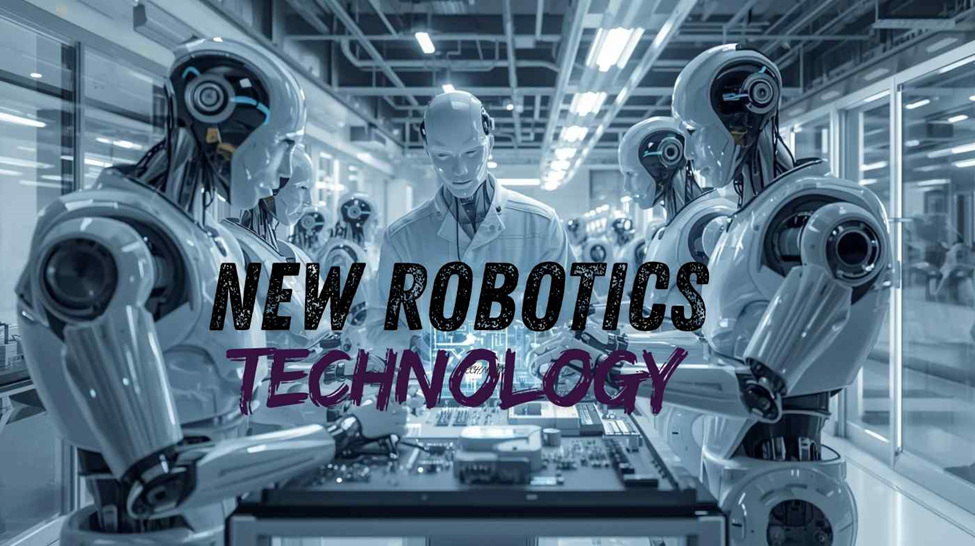
New robotics technology is transforming how industries work, communicate, and solve everyday tasks. In recent years, these innovations have moved beyond simple programmed movements and now showcase intelligent machines capable of learning, adapting, and improving with time. From healthcare and manufacturing to home assistance, robotics is becoming more precise and advanced due to improvements in automation systems and artificial intelligence.
This article will explore the most promising developments that are driving this technological evolution. We will discuss how modern robots are enhancing efficiency, supporting human labor, and creating safer environments across different sectors. By the end, readers will gain a clear understanding of how these advancements are influencing the present and shaping the future of work, innovation, and daily life.
Understanding and Development of New Robotics Technology
Definition and Core Idea
New robotics technology refers to the latest stage of innovation in automated machines designed to support, enhance, and interact with human activities. These robotics systems are equipped with intelligent automation, allowing them to analyze surroundings, make decisions, and improve performance through experience. Unlike older mechanical machines, modern robotics incorporate machine learning and adaptive controls, enabling them to perform tasks in real-time environments.
Related Article: Smart Robots: Transforming the Future of Technology
Background and Evolution
Early robotics primarily performed repetitive tasks in controlled industrial environments. Over time, improvements in computing, networking, and smart sensors transformed these machines into flexible and efficient systems. The shift from basic programmed motion to predictive and interactive decision-making represents a key milestone in the evolution of robotics.
Key Phases of Development
•Mechanical automation in factories
•Integration of digital programming
•Rise of autonomous systems driven by data
•Expansion into healthcare, education, and home use
These developments highlight how robotics has gradually become more responsive, adaptive, and integrated into everyday activities.
Importance of New Robotics Technology in Today’s World
Expanding Role Across Industries
The significance of new robotics technology comes from its ability to support diverse fields. Whether it is improving workplace safety or enhancing product quality, robotics delivers efficiency and accuracy that surpass manual approaches.
Industries Benefiting Most
•Healthcare and patient care
•Manufacturing and industrial production
•Agriculture and crop management
•Retail and warehouse logistics
•Education and training environments
Contribution to Human Life
Robotics helps reduce physical strain, prevent errors, and optimize time usage. This supports professionals in high-demand and high-risk environments. Additionally, interactive and educational robots are helping children and adults learn through hands-on assistance.
Major Components and Working Principles
Integration of Artificial Intelligence
AI provides robots with computational ability to analyze patterns, recognize objects, and adapt behaviors.
AI Enhances Robotics By
•Improving decision-making accuracy
•Allowing continual learning from tasks
•Supporting customized responses to environments
Sensory and Mechanical Improvements
Modern robots include touch recognition, visual depth sensing, and voice interaction. Advanced joints and lightweight materials improve flexibility and safety when working alongside humans.
Role of collaborative robots
Collaborative robots allow humans and machines to share workspace without barriers. These systems are designed to sense human presence and adjust force, speed, and direction to prevent accidents.
Benefits of New Robotics Technology
Increased Productivity and Precision
Robots operate continuously without fatigue. They maintain consistent outputs and reduce the likelihood of mistakes. This is important for tasks requiring delicate handling or exact measurement.
Enhanced Safety Standards
Robotics is particularly valuable where tasks involve heat, chemicals, sharp tools, or heavy loads. By taking on hazardous work, robots protect workers from injury.
Long Term Cost Effectiveness
Although initial investment may be high, operating costs decrease over time because robots reduce errors and waste.
Summary of Key Benefits
•Faster task completion
•Improved work consistency
•Reduced operational risk
•Greater efficiency in resource use
Challenges and Limitations
High Implementation Cost
Advanced robotic systems require specialized equipment and installation. Smaller businesses may struggle with budget limitations.
Skill and Education Requirements
Workers need training to operate robotics systems. Lack of skill development can slow adoption rates.
Ethical and Employment Concerns
Some individuals worry that machines may replace human jobs. However, robotics generally creates new opportunities in supervision, programming, repair, and system management.
Addressing Concerns Through Awareness
•Offering training workshops
•Promoting shared task responsibility
•Encouraging collaboration rather than replacement
Real World Applications
Healthcare
Robotic surgical arms provide precise motion during procedures. Rehabilitation robots support patients recovering mobility.
Manufacturing
Industrial robotics handle assembly, packing, and inspection. Workers oversee planning and monitoring.
Business and Office Environments
Robotic process automation handles data entry, billing, and routine administrative tasks, reducing workload for employees.
Future Outlook and Innovation Trends
Predicted Growth Areas
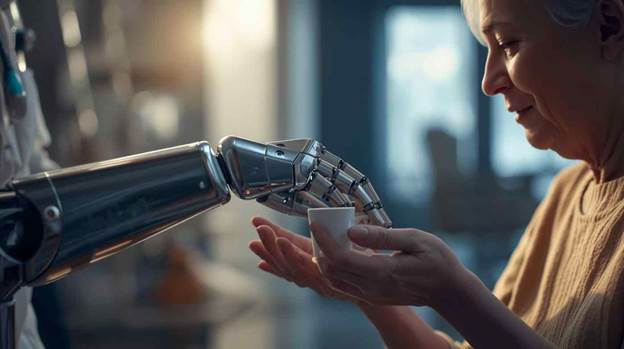
•Advanced caregiving robots for the elderly
•Self navigating delivery vehicles
•Interactive learning robots for education
•Home assistance and cleaning systems
Toward a More Collaborative Future
The direction of new robotics technology suggests greater cooperation between humans and machines. This relationship will focus on combining human creativity with robotic precision, shaping a productive and supportive future.
As robotics continues to grow, society will experience improved efficiency, new careers, and innovative solutions across multiple fields.
Conclusion
The advancements in new robotics technology demonstrate how innovation is reshaping industries and daily life. These intelligent systems improve productivity, enhance safety, and provide valuable support across fields like healthcare, manufacturing, and agriculture. As robotics continues to evolve, collaboration between humans and machines will become even more seamless and beneficial. Understanding and adapting to these changes can help individuals and organizations stay competitive and prepared for future opportunities. To keep pace with ongoing developments, explore more insights, follow emerging trends, and stay updated on the latest breakthroughs in robotic innovation.


1 Comment
Add Yours →[…] Related Article: New Robotics Technology : Advancements Shaping the Future of Smart Automation […]