Process robotics is revolutionizing the way modern manufacturing operates, bringing a new era of precision, speed, and efficiency. Today’s industries are rapidly adopting intelligent systems that streamline production and minimize human error. With advancements in robotic automation, companies can optimize workflows, enhance production efficiency, and ensure consistent quality across every stage of manufacturing.
This article explores how automation is reshaping industrial processes, the technologies driving this transformation, and the benefits manufacturers gain from integrating robotics into their operations. Discover how the fusion of innovation and automation is redefining the future of smart manufacturing.
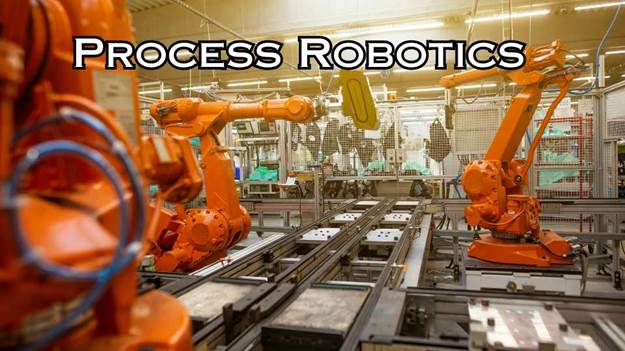
Understanding Process Robotics and Its Role in Modern Manufacturing
Definition and Overview of Process Robotics
Process robotics refers to the integration of intelligent robotic systems into manufacturing operations to automate repetitive, time-consuming, and precision-based tasks. These robots are designed to perform production activities that once required extensive human involvement.
Related Article: Transforming Industries with Robotics Automation
With advancements in robotic automation and industrial robotics, factories now utilize machines capable of assembling, welding, packaging, and quality testing with exceptional accuracy. The result is improved productivity, reduced human error, and streamlined production lines that work efficiently around the clock.
A Brief History and Evolution of Process Robotics
The concept of process automation began in the early 20th century, with the introduction of assembly lines in automobile manufacturing. Over time, technology evolved from simple mechanical arms to sophisticated AI-driven robots.
In the 1960s, industrial robots like Unimate were first introduced, transforming automotive production. By the 1990s, robotic systems became more affordable and precise, allowing widespread adoption across electronics, food processing, and healthcare sectors.
Today, with the rise of Industry 4.0, it incorporates artificial intelligence, machine learning, and IoT integration, enabling smarter, data-driven decision-making that enhances production outcomes.
Importance of Process Robotics in Manufacturing
The adoption of process robotics has become essential for industries striving to stay competitive in global markets. It enhances not just productivity but also overall operational efficiency and workplace safety.
Here’s why it matters:
- Higher Precision: Robots ensure consistent product quality by minimizing human errors.
- Cost Efficiency: Automated systems reduce labor costs and operational waste.
- Increased Safety: Robots handle hazardous materials, minimizing worker injuries.
- Scalability: Manufacturers can easily adjust robotic operations to meet changing production demands.
- Data Integration: Smart robotics connect with digital systems, providing real-time insights for performance optimization.
Key Benefits of Implementing Process Robotics
Manufacturers adopting Industrial Robotics experience a range of measurable advantages:
- Enhanced Productivity: Robots work continuously without fatigue, increasing overall output.
- Quality Consistency: Advanced sensors and algorithms ensure uniform product standards.
- Faster Production Cycles: Automation accelerates assembly and reduces lead times.
- Resource Optimization: Reduced material wastage and improved inventory management.
- Employee Empowerment: Workers can focus on strategic and creative tasks instead of repetitive labor.
Additionally, it supports sustainable manufacturing by lowering energy use and reducing errors that lead to waste.
Challenges in Process Robotics Implementation
Despite its numerous advantages, the journey toward full automation isn’t without challenges. Organizations must overcome both technical and financial barriers:
- High Initial Investment: Advanced robotics systems can be costly to install and maintain.
- Integration Complexity: Combining new technologies with legacy systems can be difficult.
- Skilled Workforce Requirement: Companies need trained operators and programmers to manage robotic workflows.
- Cybersecurity Risks: As robotics connect to networks, they become vulnerable to data breaches.
- Maintenance and Upgrades: Continuous upkeep is necessary to ensure optimal performance.
Overcoming these challenges requires strategic planning, employee training, and long-term investment in technology development.
Real-World Applications and Examples
It has found applications across diverse manufacturing sectors, each leveraging automation for unique outcomes:
- Automotive Industry: Robots handle welding, painting, and component assembly with speed and precision.
- Electronics Manufacturing: Automation ensures accuracy in small-component assembly and testing.
- Pharmaceuticals: Robots assist in sterile packaging, labeling, and quality inspection to maintain health standards.
- Food and Beverage: it help in sorting, packaging, and maintaining hygiene during production.
- Aerospace: Robots are used in precision drilling, inspection, and materials handling.
These applications demonstrate how robotics has revolutionized production efficiency and set new benchmarks for quality.
Future Trends in Process Robotics
The future of process robotics is deeply tied to digital innovation. Emerging technologies are making robots more intelligent, adaptable, and collaborative.
Key trends shaping the future include:
- Collaborative Robots (Cobots): Engineered to operate safely alongside humans, enhancing adaptability and teamwork on the production floor.
- AI and Machine Learning: Enabling predictive maintenance and adaptive decision-making.
- 3D Printing Integration: Combining robotics with additive manufacturing for faster prototyping.
- Cloud Robotics: Allowing centralized control and analytics through cloud computing.
- Sustainability Focus: Using energy-efficient robots to support green manufacturing goals.
As industries continue evolving, automation will not replace humans but rather augment their capabilities, fostering collaboration between people and machines.

Conclusion
In conclusion, process robotics is reshaping modern manufacturing by enhancing production efficiency and improving operational accuracy. From reducing manual errors to driving sustainable growth, robotics has become a vital force in industrial transformation. Embracing this technology not only boosts competitiveness but also prepares organizations for a smarter, automated future. As innovations in robotic automation continue to evolve, industries must stay updated and explore new ways to integrate these advancements for long-term success. Learn more about how intelligent automation can redefine the future of manufacturing.