A robotic distribution system is redefining how modern supply chains function by combining precision, speed, and smart technology. As industries race toward digital transformation, automation and intelligent logistics are becoming essential for businesses aiming to stay competitive. These advanced systems streamline warehouse operations, minimize human error, and optimize delivery efficiency. With the integration of AI-powered robots and real-time data tracking, companies can now achieve higher accuracy and faster order fulfillment than ever before.
In this article, we’ll explore seven groundbreaking ways automation is reshaping global supply chains from smarter inventory management to predictive maintenance and sustainable operations showing how innovation is setting a new standard in the world of automated material handling and smart distribution.
Understanding the Robotic Distribution System and Its Role in Modern Logistics
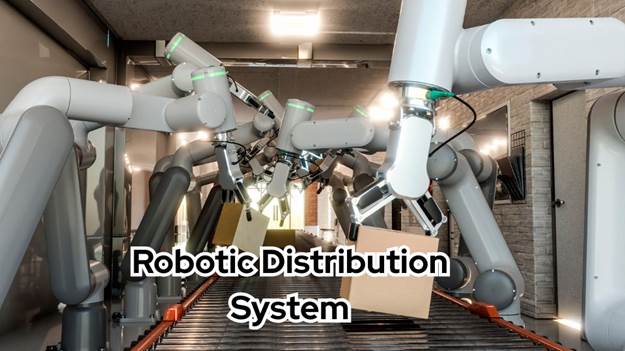
A robotic distribution system refers to the integration of robotics, sensors, and artificial intelligence within warehouses and fulfillment centers to automate storage, sorting, and shipping operations. These systems are designed to enhance efficiency, reduce labor costs, and improve supply chain accuracy. The foundation of such automation can be traced back to the early 1980s, when industrial robots began performing simple material-handling tasks. However, today’s systems are far more advanced equipped with machine learning, vision technology, and IoT connectivity for real-time decision-making.
Modern industries such as e-commerce, manufacturing, and pharmaceuticals now depend heavily on these systems to meet high consumer demands. From Amazon’s fulfillment centers to automated cold storage facilities, the influence of robotic logistics is evident across every sector.
Evolution and Background of Intelligent Distribution Automation
The journey toward the robotic distribution system began when businesses realized manual operations could no longer keep up with increasing order volumes. Early automation primarily focused on conveyor belts and basic sorting machines. With technological advances, robotics became capable of:
- Autonomous navigation using advanced sensors and mapping software
- Real-time data exchange through cloud computing and wireless connectivity
- Dynamic storage allocation powered by algorithms that learn demand patterns
Companies like DHL and Alibaba have embraced robotic automation to enhance productivity and reduce turnaround times. The shift from human-driven labor to intelligent logistics represents not only technological progress but also a cultural transformation in how goods move through the supply chain.
The Importance of Automation in Supply Chain Management
In the age of digital commerce, speed and precision determine business success. The robotic distribution system enables companies to operate around the clock without fatigue, ensuring consistent performance and reliability. Key advantages include:
- Reduced operational costs through optimized workflows and minimal downtime
- Improved order accuracy via sensor-based picking and packaging systems
- Scalable infrastructure adaptable to fluctuating demand and seasonal peaks
- Enhanced sustainability, as robots use energy-efficient processes and minimize waste
Automation also helps businesses make data-driven decisions. Real-time analytics allow managers to track performance, identify bottlenecks, and improve resource allocation across facilities.
7 Innovative Ways Automation Is Transforming Supply Chains
1. Smart Warehousing and Inventory Management
With AI-powered robotics, inventory tracking has become seamless. Automated guided vehicles (AGVs) and drones scan barcodes, update digital records, and transport goods efficiently. This minimizes human error and ensures better stock control.
2. Predictive Maintenance and Machine Learning Integration
Through predictive analytics, companies can monitor machinery health and schedule maintenance before breakdowns occur. This prevents costly disruptions and boosts overall equipment lifespan.
3. Real-Time Order Fulfillment Systems
Robotic picking systems, coupled with vision-based recognition tools, allow instant order processing. Such systems reduce manual intervention, enabling rapid packaging and dispatch.
4. Enhanced Safety and Worker Collaboration
Collaborative robots, or cobots, are designed to work alongside human employees safely. They handle repetitive or hazardous tasks, reducing injury risks while improving workplace morale.
5. Data-Driven Supply Chain Optimization
Automation tools generate valuable insights into logistics performance. Businesses can identify trends, optimize delivery routes, and adjust inventory strategies in response to real-time data.
6. Green and Sustainable Logistics
Robots contribute to sustainability by reducing waste and optimizing energy use. Electric-powered robots and eco-friendly packaging solutions help companies achieve greener operations.
7. Integration with the Internet of Things (IoT)
IoT-enabled sensors within a robotic distribution system allow seamless connectivity between devices. This creates a transparent and intelligent ecosystem where each operation is monitored and adjusted automatically for peak performance.

Benefits of Robotic Automation in Distribution Centers
The benefits of robotic automation go beyond cost savings. Businesses adopting these systems experience:
- Higher throughput with 24/7 operational capacity
- Faster return on investment (ROI) through reduced labor dependency
- Improved customer satisfaction from faster deliveries and fewer order errors
- Real-time adaptability to changing market trends
Moreover, automation enhances employee productivity by allowing workers to focus on higher-value activities such as quality control and system supervision rather than repetitive labor.
Challenges and Limitations of Robotic Distribution Systems
Despite the many advantages, implementing a robotic distribution system comes with challenges. High initial setup costs, software integration complexity, and the need for skilled technicians can be significant barriers for small and mid-sized companies. Additionally, ensuring cybersecurity in connected systems is critical, as unauthorized access can disrupt operations.
Another challenge is employee adaptation. As automation grows, workers must be trained to collaborate with robots and manage digital workflows effectively. Companies that invest in continuous education and training see smoother transitions and better adoption rates.
Real-World Examples of Robotic Automation Success
- Amazon Robotics uses thousands of mobile robots to move shelves and streamline picking processes.
- Ocado, a UK-based grocery retailer, employs robotic arms and AI algorithms for fast and precise order fulfillment.
- Walmart has adopted automated inventory scanning robots to maintain accurate stock levels in stores and warehouses.
These examples demonstrate how robotic distribution systems can revolutionize operations, offering efficiency, reliability, and long-term sustainability.
Conclusion
The robotic distribution system has become a cornerstone of modern logistics, driving efficiency, accuracy, and innovation across global supply chains. By combining AI-driven automation and intelligent logistics, businesses can meet rising demands while cutting costs and enhancing sustainability. As technology continues to advance, adopting such systems is no longer optional but essential for long-term success. Companies that embrace this transformation today will lead the way in tomorrow’s competitive market. To stay ahead, explore the latest trends and innovations shaping the future of automated distribution.