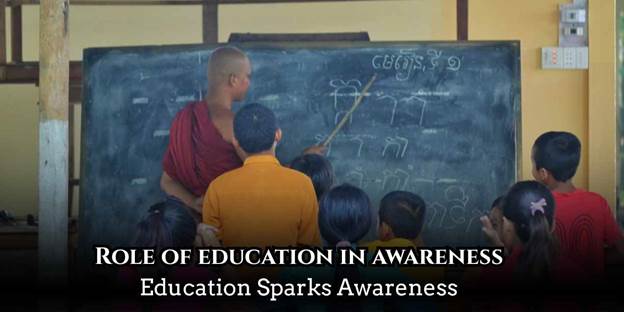
In today’s rapidly evolving world, the Role of education in awareness goes far beyond textbooks and classrooms; it shapes how individuals think, act, and contribute to society. Education empowers people to question injustice, embrace social responsibility, and participate in community development with purpose and confidence. When individuals are equipped with the right knowledge and values, they become catalysts for positive transformation, promoting empathy, equality, and informed decision-making.
This article explores how education nurtures awareness, fosters critical thinking, and builds the foundation for lasting social change. It highlights how schools, institutions, and learning platforms can inspire people to create a more conscious, inclusive, and sustainable world. Ultimately, education is not just about learning facts it’s about awakening minds to make a difference.
Understanding the Role of Education in Awareness
What Does It Mean?
It refers to how learning systems help individuals understand the world, recognize their responsibilities, and make informed choices. Education provides the foundation for critical thinking, social understanding, and moral growth. It enables people to differentiate between right and wrong, truth and misinformation, empowering them to take action for a better society.
Historical Background
From ancient civilizations to modern systems,it has always been vital. Early philosophers like Socrates and Confucius emphasized that learning should cultivate ethics and self-knowledge, not just skills. In the 19th century, reformers introduced public education to ensure equal access to knowledge, which led to social progress and national development. Today, modern educational institutions focus on inclusivity, global awareness, and lifelong learning shaping citizens who are informed, empathetic, and socially responsible.
Importance of Education in Building Awareness
Strengthening Social Values
Education strengthens moral values and promotes social harmony. It teaches respect for diversity, tolerance, and ethical leadership, helping individuals understand how their actions affect others. This awareness builds unity and reduces prejudice within communities.
Promoting Informed Decision-Making
Through education, people learn to assess information, think critically, and make evidence-based decisions. It helps individuals navigate misinformation, understand global challenges, and contribute constructively to solutions.
Encouraging Active Citizenship
An aware citizen is an empowered citizen. When people understand their rights and duties, they participate more actively in community development and governance. Education thus cultivates responsibility, compassion, and social participation, which are vital for democracy and progress.
Benefits of the Role of Education in Awareness
Personal Growth
Education encourages self-awareness and helps people understand their strengths, weaknesses, and purpose. It builds confidence, enhances communication, and nurtures emotional intelligence all crucial for personal and professional success.
Social and Economic Impact
- Reduction in Inequality: When education reaches all social groups, it narrows gaps and promotes equal opportunities.
- Economic Empowerment: Educated citizens gain better employment, contribute to sustainable development, and improve living standards.
- Cultural Understanding: Learning about different traditions fosters intercultural awareness and peace among nations.
Empowerment of Communities
An educated society is better equipped to tackle challenges like poverty, gender discrimination, and environmental issues. Awareness generated through education inspires collective action toward justice, equity, and sustainability.

Challenges in Promoting Awareness Through Education
Limited Access to Quality Education
In many regions, access to education remains unequal due to economic barriers or inadequate infrastructure. Rural and marginalized communities often face limited opportunities to develop awareness through learning.
Outdated Curriculum
Many educational systems still focus on rote memorization instead of analytical learning. This limits the Role of education in awareness, as students fail to connect lessons to real-life issues like climate change, social justice, or digital ethics.
Lack of Practical Implementation
Schools may teach theoretical knowledge without practical application. To make learning meaningful, education should encourage problem-solving, innovation, and community involvement.
Real-World Examples of Awareness Through Education
Environmental Awareness Programs
Many schools worldwide integrate environmental education into their curriculum. Students engage in activities like tree planting, recycling, and sustainability projects that create lasting awareness about protecting the planet.
Health and Hygiene Campaigns
Education has played a huge role in spreading public health awareness, especially during global challenges like the COVID-19 pandemic. Institutions taught preventive measures, hygiene practices, and mental well-being, saving countless lives.
Digital Literacy Initiatives
With the rise of technology, digital awareness is essential. Programs teaching cyber safety, media literacy, and responsible internet use help individuals stay safe and informed in the digital world.
Strategies to Strengthen the Role of Education in Awareness
Inclusive and Updated Curriculum
To improve the Role of education in awareness, schools must integrate topics such as social responsibility, climate action, and cultural tolerance. These lessons encourage empathy and broaden students’ perspectives.
Practical Learning Approaches
- Community Engagement: Encourage students to participate in real-world projects.
- Experiential Learning: Hands-on activities make learning more memorable and impactful.
- Collaborative Education: Working in teams develops cooperation and shared responsibility.
Role of Teachers and Institutions
Teachers act as role models and facilitators. Their guidance fosters curiosity, discipline, and empathy. Institutions should also promote inclusive education, ensuring that every learner feels valued and heard.
The Broader Impact
Education builds societies that are more aware, responsible, and united. When people understand global issues and their roles in addressing them, communities become stronger and more sustainable. It stands as the foundation for social transformation, bridging differences and inspiring action.
In conclusion, awareness-driven education empowers individuals to think critically, act ethically, and contribute meaningfully to their communities. It is the most powerful tool for shaping minds and driving positive social change one classroom at a time.
Conclusion
The Role of education in awareness serves as a driving force for shaping informed, compassionate, and responsible individuals. It empowers people to recognize societal issues, take meaningful action, and promote social harmony. By fostering critical thinking and empathy, education becomes a bridge toward sustainable growth and equality. To truly transform communities, we must continue enhancing educational systems and ensuring that awareness becomes a lifelong pursuit. Let’s keep learning, stay informed, and work together to create a more conscious and connected world for all.