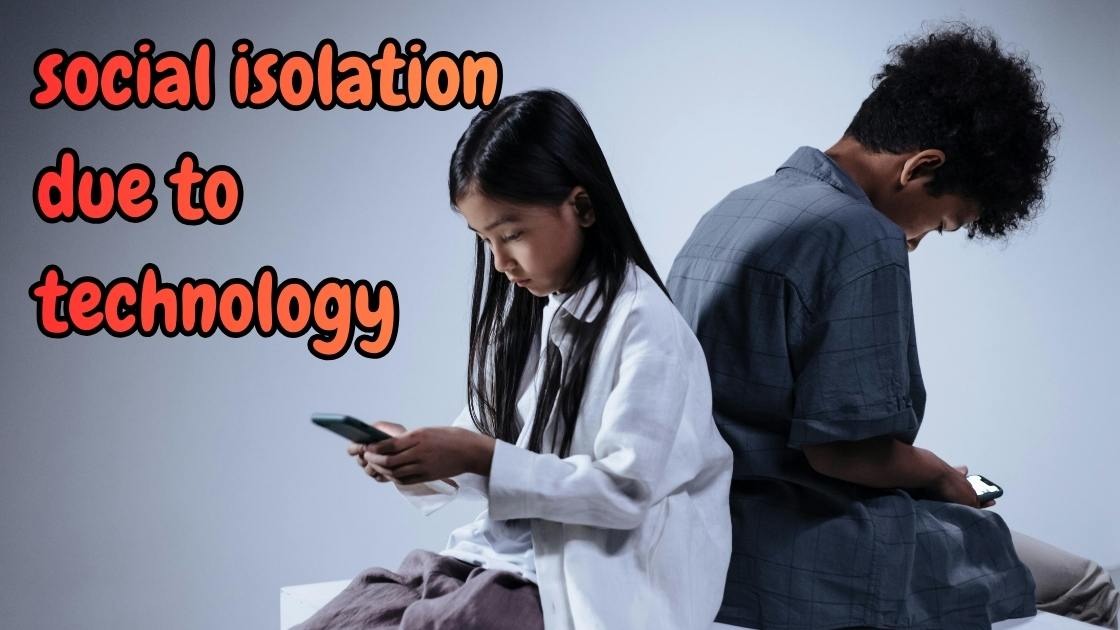
In today’s fast-paced digital world, social isolation due to technology has become an increasingly concerning issue. While devices and online platforms offer convenience and connectivity, they often unintentionally foster loneliness, emotional disconnection, and reduced face-to-face interactions. Many individuals spend more time scrolling through screens than engaging in meaningful conversations, which can impact mental health, well-being, and even social skills development.
This article explores the causes and effects of this growing phenomenon, highlighting how excessive reliance on technology can create barriers to real-life relationships. We will also examine strategies to balance digital engagement with personal connections, ensuring that technology enhances rather than diminishes our social lives. Understanding these dynamics is crucial for fostering healthier, more connected communities in the digital era.
Understanding Social Isolation Due to Technology
Social isolation due to technology refers to the growing phenomenon where individuals feel disconnected from society despite being constantly connected online. With the rise of smartphones, social media platforms, and virtual communication tools, people often substitute digital interactions for in-person connections. Social Media lead to isolation, emotional disconnection, and a lack of meaningful relationships. Understanding this issue is crucial as it affects mental health, personal development, and overall well-being.
Background and Overview
Historically, technology was seen as a tool to bridge communication gaps, enabling instant connection across the globe. However, over the past decade, studies have shown a paradox: while people are digitally connected more than ever, face-to-face interactions have declined. This trend contributes to a sense of social detachment, highlighting the importance of balancing virtual and real-life communication. Human connection, social skills, and community engagement are increasingly at risk if this balance is ignored.
Key Features of Social Isolation Due to Technology
- Reduced Physical Interaction Frequent online activity often replaces in-person meetings, leading to weaker interpersonal bonds.
- Emotional Disconnection Excessive screen time can reduce empathy and emotional awareness, affecting relationships and mental health.
- Dependency on Digital Communication Many rely solely on messaging apps and social media, neglecting deeper personal connections.
- Impact on Social Skills Limited real-world engagement can hinder the development of essential communication skills.
- Shift in Priorities Entertainment, work, or gaming online often take precedence over spending quality time with friends and family.
Causes and Contributing Factors
Several factors contribute to social isolation due to technology. Overuse of smartphones, social media addiction, and the rise of remote work have increased screen time, making face-to-face interactions less frequent. Additionally, online environments can create a sense of superficial connection, where the quantity of interactions masks the quality. Urban lifestyles, long commutes, and busy schedules also contribute to the reliance on digital tools, affecting community engagement and personal relationships.
Advantages and Benefits of Technology
Although technology can lead to isolation, it also offers benefits when used responsibly. It allows for remote communication, global networking, and access to educational resources. Technology can help maintain connections with distant family members, provide support for mental health through online therapy, and enable flexible work opportunities. Understanding its advantages is essential to creating a balanced approach that minimizes negative effects.
Challenges and Drawbacks
Excessive reliance on technology can cause significant drawbacks, including anxiety, depression, and weakened social support networks. People may experience a fear of missing out (FOMO), leading to compulsive social media use and emotional strain. The lack of real-world interactions can also reduce trust and the ability to collaborate effectively in both personal and professional settings. Over time, these factors may contribute to long-term psychological and social difficulties.

Steps to Reduce Social Isolation
- Set Digital Boundaries Limit screen time and schedule offline activities to maintain social connections.
- Engage in Face-to-Face Communication Prioritize in-person conversations with family, friends, and colleagues.
- Participate in Community Activities Join clubs, volunteer programs, or group events to foster a sense of belonging.
- Use Technology Mindfully Leverage digital tools for productive purposes rather than mindless scrolling.
- Focus on Mental and Emotional Health Practice mindfulness, meditation, or counseling to manage stress and loneliness.
Examples and Use Cases
In educational settings, students who spend excessive time on online learning platforms without group interaction may feel isolated. Similarly, remote employees may experience decreased collaboration and team engagement due to constant digital communication. On the other hand, balanced use of technology, such as virtual family calls, online hobby groups, or professional networking, can enhance relationships and reduce the sense of isolation.
Recommendations
To address social isolation due to technology, individuals should aim for a healthy balance between online and offline life. Employers and educators can facilitate group interactions, team-building exercises, and social events. Encouraging open conversations about mental health, promoting community engagement, and practicing intentional digital usage are key strategies to minimize negative impacts. By adopting these measures, technology can remain a tool for connection rather than a cause of detachment.
Conclusion
In summary, social isolation due to technology has become a significant concern in today’s digital world. While technology offers numerous advantages like connectivity, remote communication, and access to resources, excessive reliance can lead to loneliness, emotional disconnection, and reduced social skills. Addressing this issue requires mindful technology use, prioritizing face-to-face interactions, and engaging in community activities. By striking a balance between online and offline life, individuals can maintain healthier relationships and improve overall well-being, ensuring that technology serves as a tool for connection rather than separation.